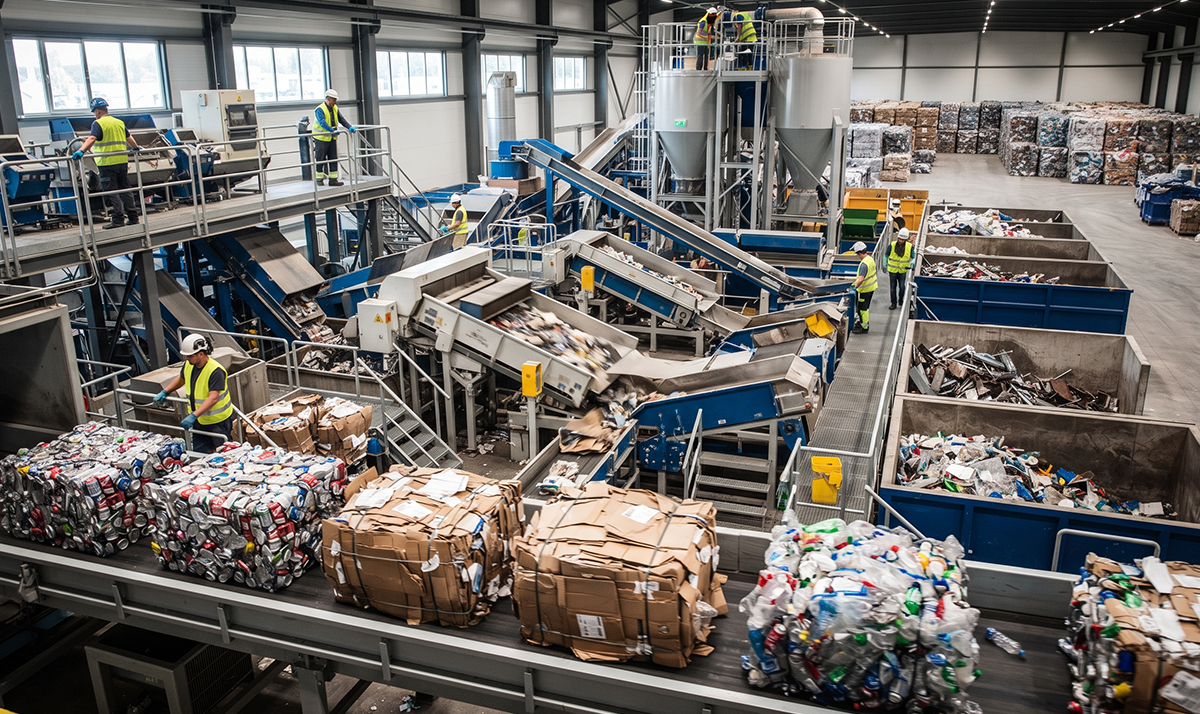
For businesses placing products on the market, the cost of waste management is no longer limited to collection, recycling or disposal. The greater challenge is proving what happens after a product reaches the end of its useful life. A recycling certificate may support a compliance requirement, but the credibility of that claim ultimately depends on whether the underlying recovery is documented, traceable and verifiable.
This is changing the role of Extended Producer Responsibility (EPR). What was once approached primarily as a regulatory obligation is becoming a test of operational discipline, supply-chain transparency and environmental accountability. For producers, recyclers and waste operators, the competitive advantage will increasingly lie not simply in managing waste, but in demonstrating measurable outcomes through reliable data and responsible recovery practices.
Under India's EPR framework, producers are required to fulfil specified responsibilities for the end-of-life management of products or packaging, depending on the applicable waste stream and regulations. The Central Pollution Control Board (CPCB) operates systems for managing EPR obligations across categories such as plastic packaging and electronic waste. For e-waste, the framework links producers' obligations to certificates generated through registered recyclers and reported through the designated portal.
The implication for businesses is significant: EPR waste management cannot be treated as a year-end paperwork exercise. Companies need reliable records of quantities collected, processed and recovered, along with appropriate invoices, certificates and supporting documentation. When reported quantities do not align with actual processing or downstream material sales, compliance risks can extend beyond missed targets to questions about the credibility of environmental claims. Strong waste compliance therefore begins with accurate operational data, not just timely submissions.
The real test of recycling traceability is whether a business can follow waste through each critical stage: collection, transportation, processing, material recovery and final destination. This requires more than a certificate at the end of the process. It requires consistent records, accurate weight measurements, valid invoices, authorised processing partners and clear evidence of what has been recovered. CPCB's e-waste guidance specifically requires recyclers to report procurement, recycling, end-product production and sales, supported by relevant documentation.
For procurement teams, sustainability leaders and investors, these details help answer practical questions: Where did the waste go? Was it handled by an appropriate facility? What materials were recovered? Can the reported outcomes withstand an audit? Weak documentation can create gaps between an organisation's sustainability commitments and its actual performance. By contrast, a well-managed chain of custody strengthens supplier accountability, reduces reporting uncertainty and gives decision-makers greater confidence in their environmental disclosures.
The commercial opportunity extends beyond fulfilling regulatory targets. Electronic equipment, for example, can contain reusable devices, functional components and recoverable metals. An approach that sends everything directly for material recycling may overlook opportunities to extend product life and preserve value. Responsible refurbishment, component recovery and material recycling can therefore form part of a more resource-efficient circular economy regulation strategy, subject to applicable rules and the condition of the assets.
This is where specialist waste operators become strategic partners rather than simply service providers. Blue Planet E-Waste Solutions offers Extended Producer Responsibility, internal producer responsibility, collection logistics, refurbishment, recycling and traceability services for manufacturers, OEMs and other organisations. Its integrated approach connects compliant e-waste management with resource recovery, supported by documentation and transparent processes.
The next phase of EPR will be shaped by the quality of evidence behind every recovery claim. As reporting and verification become more central to producer responsibility, businesses will need to evaluate waste partners on measurable recovery, documentation quality, traceability and the ability to support compliance over time. The strongest programmes will connect regulatory obligations with operational efficiency and the recovery of resources that might otherwise be lost.
For organisations reviewing their EPR strategy, the starting point is straightforward: assess current waste flows, verify the credentials of processing partners, identify documentation gaps and establish clear performance measures. Blue Planet E-Waste Solutions can support businesses seeking a more structured approach to responsible e-waste management, refurbishment and resource recovery.
Is your EPR programme delivering verifiable recovery or simply meeting a reporting requirement?
Explore Blue Planet E-Waste Solutions to discuss traceable, compliant e-waste management solutions for your organisation.
 Food Waste
 Livestock Waste Solutions
 Agri Waste
 Waste To Energy Solutions
 Plastic Waste Solutions
 MSW Solutions
 Legacy Waste Solutions
 E-Waste Solutions
 Industrial Waste Management Solutions
 Hazardous Waste Solutions
 Restoration & Recovery Solutions
 Education & Awareness Solutions