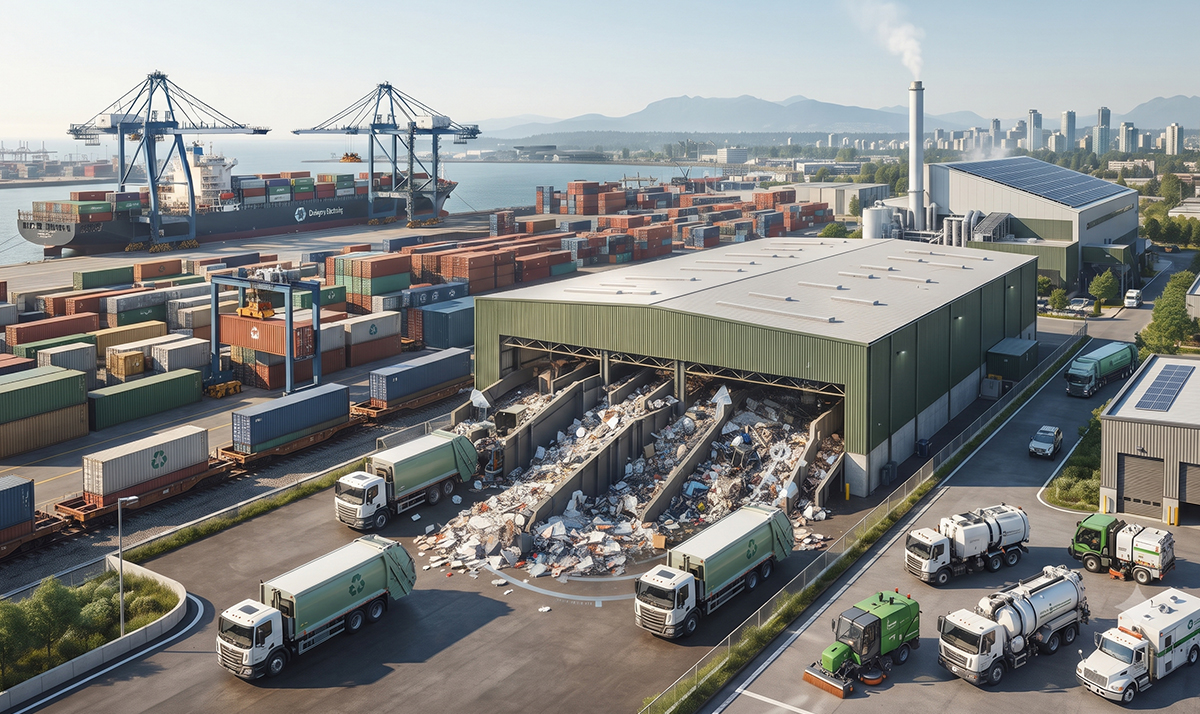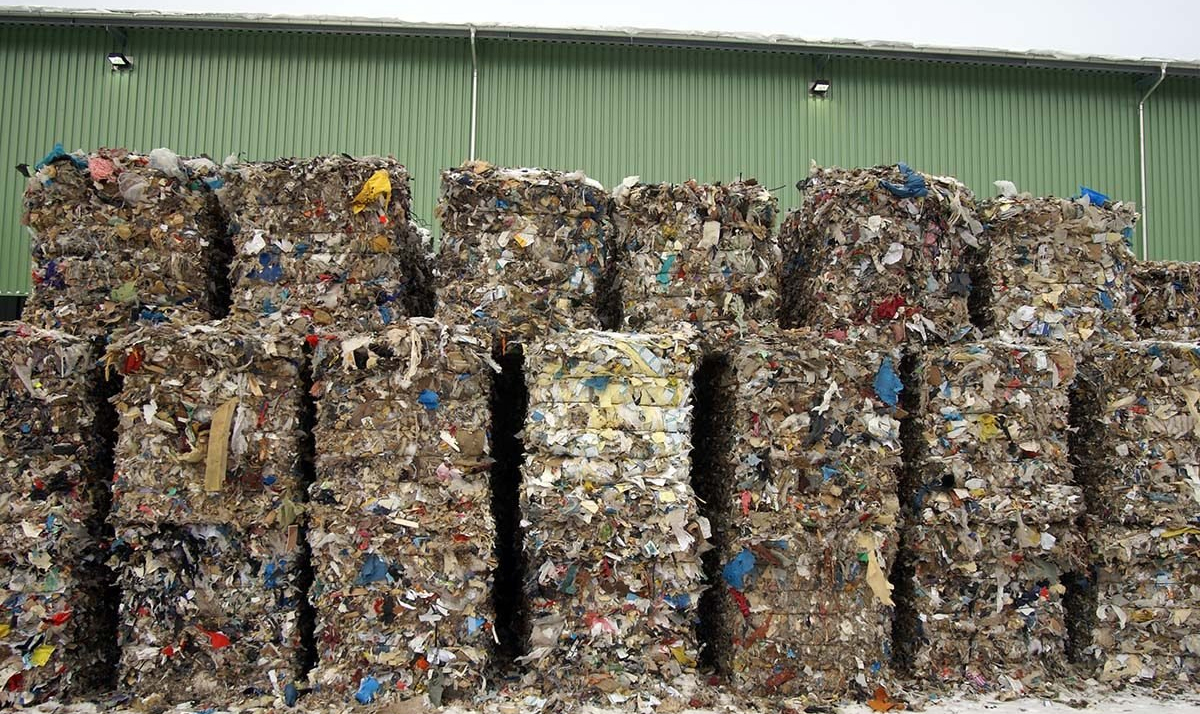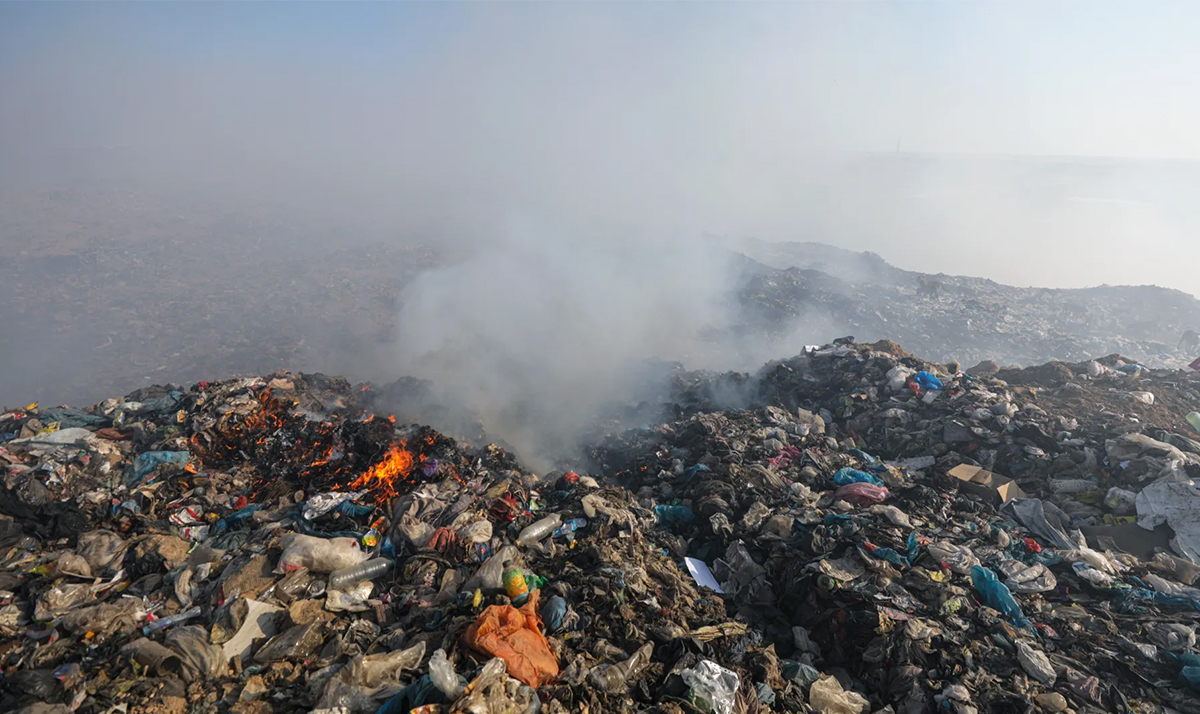
What if the next opportunity in resource supply chains is not about finding new resources but, about recovering more value from the resources we already use?
Every day businesses discard materials that could be used as raw materials in another industry. Such materials include metals from electronic equipment, plastics from consumer goods and energy, from organic waste all represent potential economic value. Recoverable material does not automatically mean a profitable business. The real chance comes from turning it into a consistent market-ready supply at a competitive cost.
Resource recovery is reshaping the economics. As manufacturers looks for reliable raw materials, governments are introducing stricter waste regulations and technology is improving processing efficiency, recovery is becoming a business consideration. The companies best positioned to benefit are the companies that understand not what can be recovered but also what can be recovered profitably at scale and, with sustained market demand.
Commodity Prices Are Only One Part of the Equation
The commercial value of recovered materials is linked to the price of new resources. When the prices of primary metals or plastics rise secondary alternatives or recovered materials can become more competitive. When commodity prices fall recyclers may face margins even if the processing volumes of recyclers remain unchanged. This volatility makes the profitability of recyclers depend on more, than the quantity of material recovered.
The economics of a project rely on quality, procurement costs the recovery yield and the access to buyers. For example the economics of extracting copper from discarded electronics are limited if dismantling costs are high or if the recovered copper does not match buyer specifications. Recovery of copper therefore requires balance, between the value of the recovered output and the full cost of production.
For businesses evaluating resource recovery economics the central question is how to keep margins across market cycles. Diversified material streams, efficient processing and established offtake relationships help reduce dependence on a commodity. The opportunity is not simply to sell recovered materials when prices are favourable but to build a resource recovery business capable of operating through changing market conditions.
Technology Determines the Value That Can Be Captured
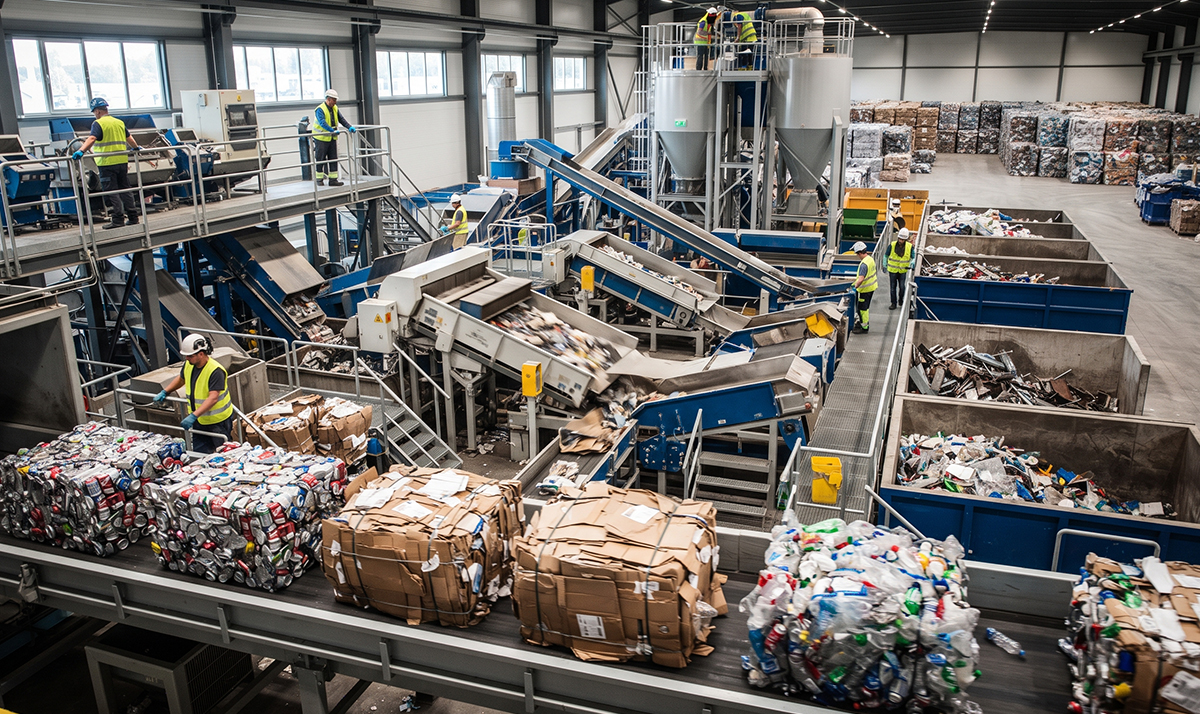
Two facilities that process amounts of waste can end up with very different commercial results. The difference often comes from how each facility can spot, sort and recover valuable materials while using as little energy, as possible and keeping contamination and final disposal costs low. These operational factors directly affect how value a facility can make from each tonne that it processes.
Advanced sorting, automation, material testing and process optimisation can improve recovery yields and keep raw materials steady. In electronic waste for instance refurbishment may preserve the value of an entire device while dismantling and material recovery can capture value from equipment that is no longer suitable for reuse. Blue Planets e-waste operations reflect this approach by combining refurbishment, dismantling and material recovery rather than treating every discarded device as material, for immediate recycling.
For businesses and investors technology should be evaluated through commercial outcomes: recovery rates, throughput, operating costs, product quality and value generated per tonne. Technology’s greatest advantage comes when technology consistently improves these metrics and strengthens competitiveness. Investing in technology without a connection, to operational efficiency or market demand however does not automatically create a profitable recovery model.
Regulation and Demand Can Strengthen the Business Case
The business case for recycling economics is being shaped more and more by regulation and by changes in procurement priorities. Extended Producer Responsibility, landfill restrictions and recycled?content requirements can influence how companies manage waste and source materials. These measures can support demand for recovery services and secondary materials. The real impact, on recycling economics depends on implementation, enforcement and on market conditions.
Manufacturers also need materials that are reliable and meet their quality and production needs. This creates an opportunity for recovery businesses to build long-term supply relationships instead of depending only on spot-market sales. Traceability, consistent specifications and dependable volumes can become advantages to differentiate when industrial buyers assess suppliers.
Investors and business leaders must shift their focus from waste volumes to the strength of the underlying business model. Is there recurring demand? Can the operation secure feedstock? Are reliable buyers available? Can regulatory requirements be met without allowing compliance costs to erode margins? Answering these questions helps investors and business leaders distinguish a resource?recovery platform, from a facility whose profitability depends heavily on favourable market conditions.
Scale Matters When the Entire Value Chain Works
Scaling a recovery business is not, about moving more tonnes. Higher volumes can help improve utilisation of equipment and spread fixed costs but they can also raise transport costs, working capital and the risk of accumulating unsold material. Scale brings value when collection, processing capacity and downstream demand all grow together.
This is especially relevant to waste valorisation because different waste streams require technologies, commercial arrangements and end markets. Blue Planets landfill remediation work, including projects, with Zigma shows how recovery can go beyond extracting materials to also include landfill treatment and land reclamation. Such projects require processing, material segregation and responsible management of the outputs generated.
The broader opportunity lies in developing integrated systems that connect waste sourcing, waste processing infrastructure and end users. The companies that manage these links effectively can improve resource utilisation diversify revenue opportunities and build resilient operations. For the circular economy to become scalable recovered materials must have a reliable route back, into productive use supported by viable economics at each stage.
Resource recovery is no longer about whether materials can be recycled. The real challenge is whether they can be recovered consistently sold competitively and integrated into industrial supply chains in large amounts. The answer depends on how companies effectively bring together technology, smart operations and strong market access.
For businesses and investors the opportunity depends on access, to feedstock, efficient processing, predictable demand, disciplined cost management and the ability to navigate changing regulations and commodity markets. No single factor alone guarantees profitability. Together they decide if resource recovery becomes a commercially sustainable operation.
The next generation of resource-recovery businesses will be defined not by the amount of waste they handle but by the value they keep creating from that waste. As resource security and supply-chain resilience become more and more important the skill to turn discarded materials into industrial inputs could become a source of meaningful competitive advantage.
 Food Waste
 Livestock Waste Solutions
 Agri Waste
 Waste To Energy Solutions
 Plastic Waste Solutions
 MSW Solutions
 Legacy Waste Solutions
 E-Waste Solutions
 Industrial Waste Management Solutions
 Hazardous Waste Solutions
 Restoration & Recovery Solutions
 Education & Awareness Solutions