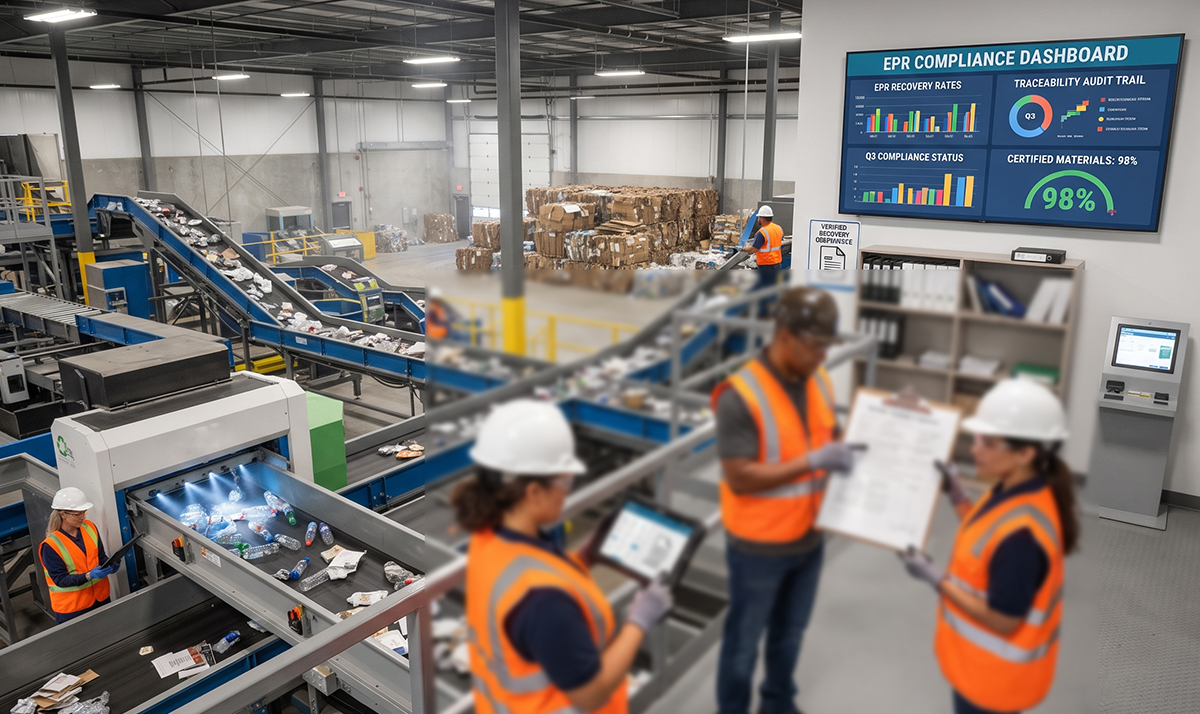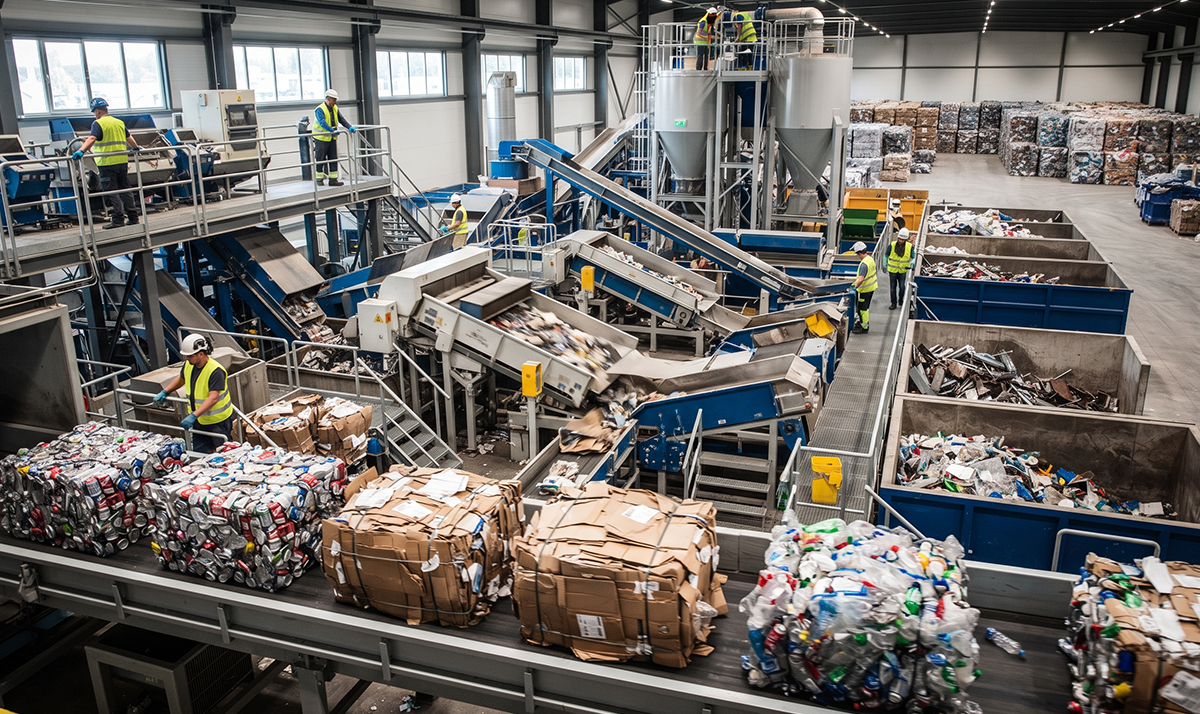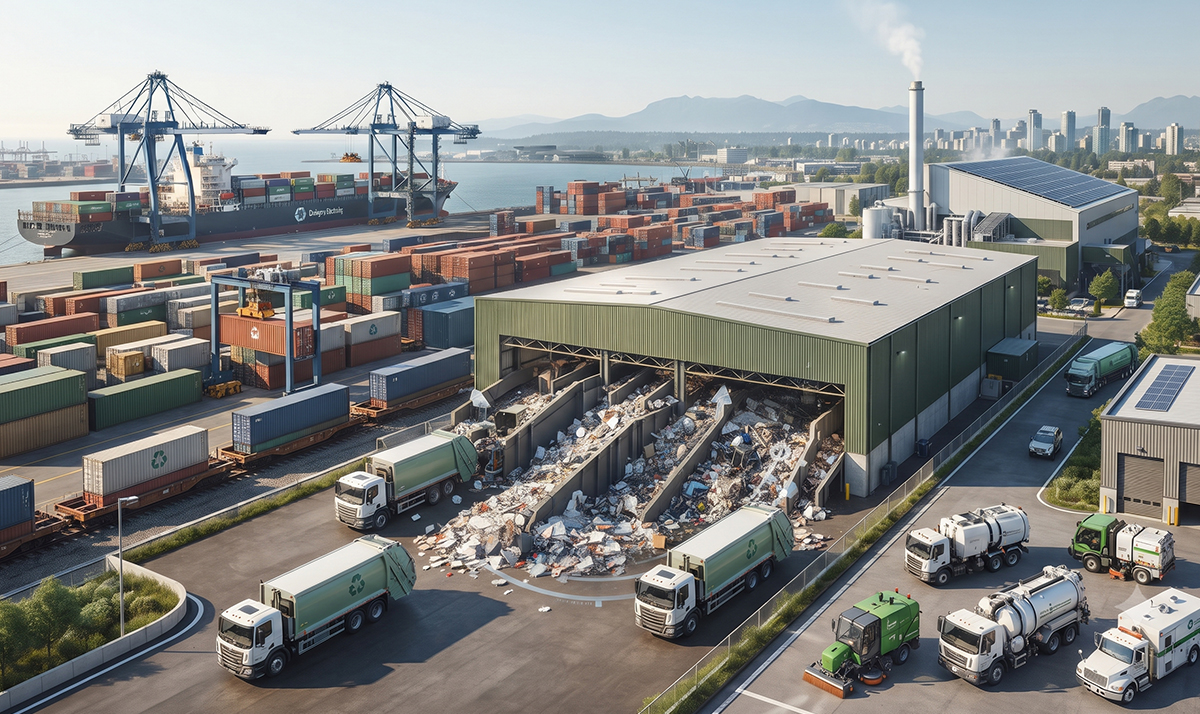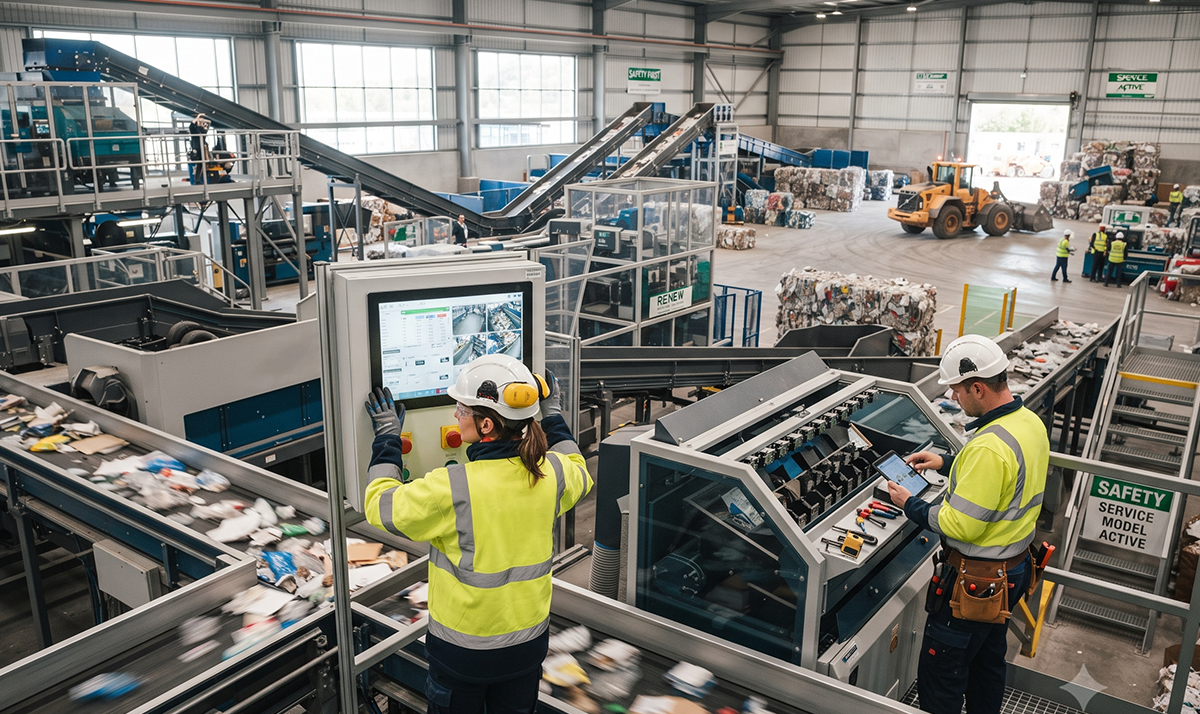
For businesses investing in waste-management infrastructure, the biggest challenge is not always finding the right technology. It is making that technology financially viable over the long term. Equipment purchases, installation, maintenance, skilled labour and operational downtime can turn waste treatment into a significant capital and management commitment, particularly for organisations that do not specialise in environmental services.
Waste-as-a-Service is emerging as an alternative to this ownership-led approach. Instead of purchasing and operating treatment equipment independently, businesses can engage service providers to deliver defined waste-management capabilities through managed contracts, leasing arrangements or performance-linked agreements. The shift creates an opportunity to make advanced treatment technologies more accessible while allowing environmental service providers to build long-term commercial relationships. For investors, it also raises an important question: can waste infrastructure generate greater value when customers pay for reliable outcomes rather than owning the assets themselves?
Traditional waste-treatment projects require businesses to evaluate equipment costs, installation, infrastructure readiness, maintenance and the resources needed to operate a facility. These expenses can compete with investments in core business activities. For companies generating waste across multiple sites, the challenge becomes even more complex, as each location may have different volumes, waste compositions and treatment requirements.
A zero CAPEX waste management arrangement can reduce the initial investment barrier by shifting some or all of the equipment financing and operational responsibilities to a service provider. Depending on the agreement, customers may pay a recurring fee, a charge based on the quantity of waste treated or a payment linked to agreed performance indicators. This allows businesses to evaluate waste management as an operating service rather than an entirely self-funded infrastructure project.
However, lower upfront expenditure does not automatically mean lower total costs. Businesses must assess contract duration, service fees, escalation clauses, maintenance obligations, minimum processing volumes and termination conditions. The most effective environmental services business model balances affordability for the customer with predictable revenue and sustainable asset utilisation for the provider. The commercial objective is not simply to eliminate capital expenditure, but to achieve better value over the life of the contract.
A successful service arrangement depends on matching the right technology to the waste stream. Factors such as feedstock composition, contamination, daily processing volumes, energy consumption, equipment uptime and the availability of recovered-material markets all influence project economics. Without these considerations, even technically advanced equipment can struggle to deliver consistent results.
This is particularly important for the biomethanation business model, which converts biodegradable waste into biogas through anaerobic digestion. Its viability depends on a reliable supply of suitable organic material, effective pre-treatment, stable plant operations and a practical use for the resulting gas. Blue Planet's organic waste solutions include anaerobic processing technologies for food waste, municipal organic waste and agricultural residues, with biogas potentially used for electricity generation, cooking or industrial applications. Explore Blue Planet's organic waste solutions.
Under a managed waste treatment services arrangement, the provider may oversee installation, monitoring, preventive maintenance and operational reporting. Contracts should define measurable outcomes, including tonnes processed, plant availability, treatment efficiency and the quality of recovered outputs, where applicable. Businesses should also establish who bears responsibility for feedstock variations, regulatory compliance, equipment failures and performance shortfalls. Clear accountability is what distinguishes a dependable service model from a simple equipment rental agreement.
The opportunity for waste as a service extends beyond individual facilities. Businesses with multiple locations can potentially standardise waste-management processes, access specialist operational expertise and reduce the burden of managing separate equipment vendors. Service providers, meanwhile, can develop recurring revenue streams, improve asset utilisation and build long-term customer relationships. For investors, the model offers a potential route to scale environmental services, provided contract economics, financing costs and operating risks remain manageable.
Blue Planet Environmental Solutions' facilities illustrate the range of infrastructure and technical capabilities involved in this sector. Its published portfolio includes a 20-tonne-per-day compressed biogas plant in Indore, India, and a 600-tonne-per-day material recovery facility alongside a 9.9 MW waste-to-energy plant in Singapore. These facilities demonstrate how waste can be directed towards different recovery pathways, depending on its characteristics and the technology deployed. They are examples of Blue Planet's operating capabilities, rather than confirmed case studies of Waste-as-a-Service contracts. Explore Blue Planet's facilities.
For environmental service providers, the next step is to combine these capabilities with commercial structures suited to customer needs. Depending on the project, this could involve equipment leasing, build-operate arrangements, long-term treatment contracts or performance-linked service agreements. The appropriate model will depend on waste volumes, site conditions, customer requirements and the value of recovered resources. When designed carefully, such arrangements can help customers access treatment infrastructure while enabling providers to scale operations without relying exclusively on equipment sales.
The rise of Waste-as-a-Service reflects a broader shift in the environmental services industry: the value of waste infrastructure is increasingly measured by what it delivers over time, not simply by what is installed. For businesses, service-based models can offer an alternative route to treatment technology, specialist expertise and operational support without requiring the same level of upfront investment.
For investors and service providers, the opportunity lies in building commercially sound contracts that align costs, responsibilities and measurable outcomes. Before committing, businesses should evaluate waste volumes, treatment requirements, contract economics and the provider's operational capabilities. The next phase of waste management will not be defined by technology alone, but by business models that make resource recovery scalable, reliable and financially sustainable.
Looking to evaluate a waste-management solution for your facility? Explore Blue Planet's waste-management services to understand the available treatment and recovery options and identify a solution aligned with your operational requirements.
 Food Waste
 Livestock Waste Solutions
 Agri Waste
 Waste To Energy Solutions
 Plastic Waste Solutions
 MSW Solutions
 Legacy Waste Solutions
 E-Waste Solutions
 Industrial Waste Management Solutions
 Hazardous Waste Solutions
 Restoration & Recovery Solutions
 Education & Awareness Solutions