The next decade will change the way emerging economies think about waste infrastructure. The rapid urbanisation, rising consumption and expanding cities are generating more waste, often faster than the efficiency of local systems to collect, treat and recover it.
Cities across Africa, Asia and the Middle East are experiencing unprecedented growth. Rapid expansion of homes, businesses and industries is changing the urban landscape and these changes shift the consumption patterns and how cities are growing and evolving. This also changes what people throw away. “According to The World Bank’s latest report, titled "What a Waste 3.0 ", global waste generation reached 2.56 billion tonnes in 2022. The report warns that global waste generation could climb to 3.86 billion tonnes by 2050, with the biggest rises happening in fast?growing regions.”
The facilities for waste collection, recycling and disposal are still developing with urban expansion in many emerging cities. This creates a challenge but also offers a significant opportunity. The next decade has the potential for these markets to move from a traditional "collect and dispose" approach towards smarter systems built around resource recovery, technology and long-term environmental infrastructure.
As cities are evolving, waste management is becoming more than just an environmental issue. It is emerging as an important component of our environmental infrastructure and economic priority.
Rapid Urbanisation Is Changing the Waste Challenge
For many emerging economies, the challenge is not only that cities are producing more waste but also that urban waste management systems are struggling to keep pace with rapid growth. New residential areas, commercial centres and industrial activities are generating both the waste volumes and the complexity of waste streams.
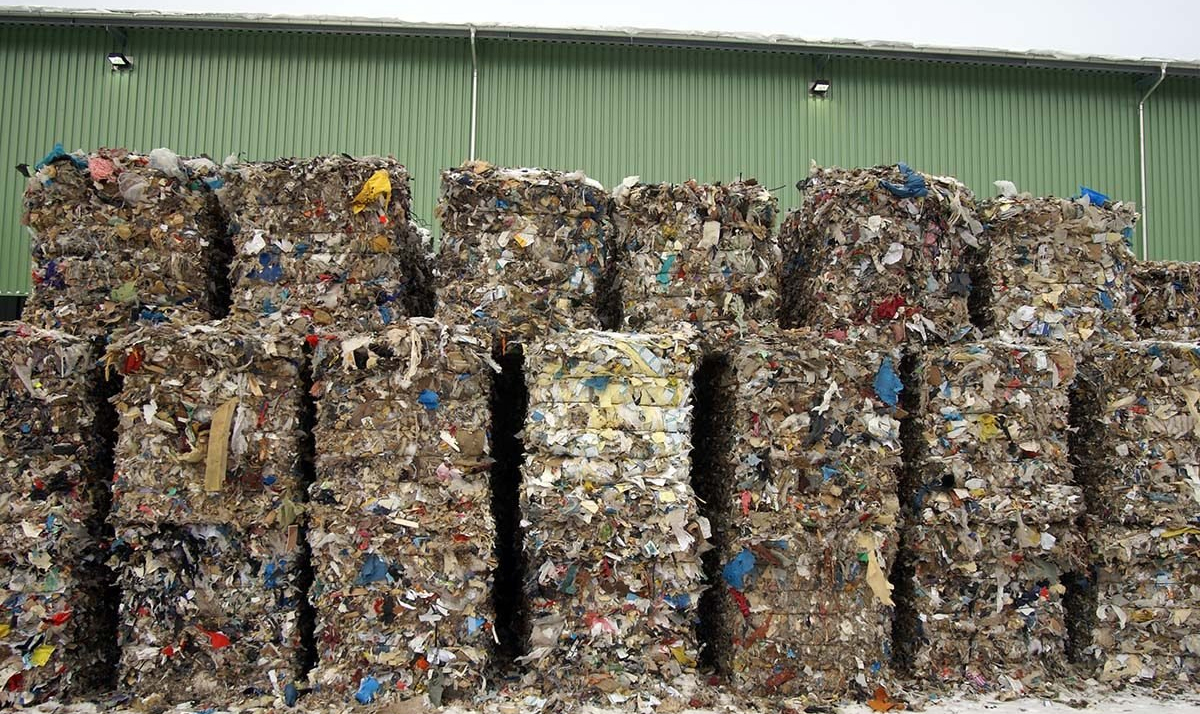
As a result, collection centres, transfer stations, material recovery facilities and controlled disposal sites must be planned and built as an essential part of urban waste management rather than being added after the city has already expanded. The opportunity is to build systems that can evolve with the cities. This includes improving data management, smarter waste collection and decentralised solutions where appropriate and more material recovery before they reach landfills.
Regional Challenges, Different Opportunities
The future of emerging markets waste management will be about more than making space for waste infrastructure. It will focus on emphasising recovery of materials, energy and value from what cities discard.
In the Middle East waste management, rapid development and high consumption are creating a need for modern treatment and resource-recovery infrastructure, including recycling and waste-to-energy solutions.
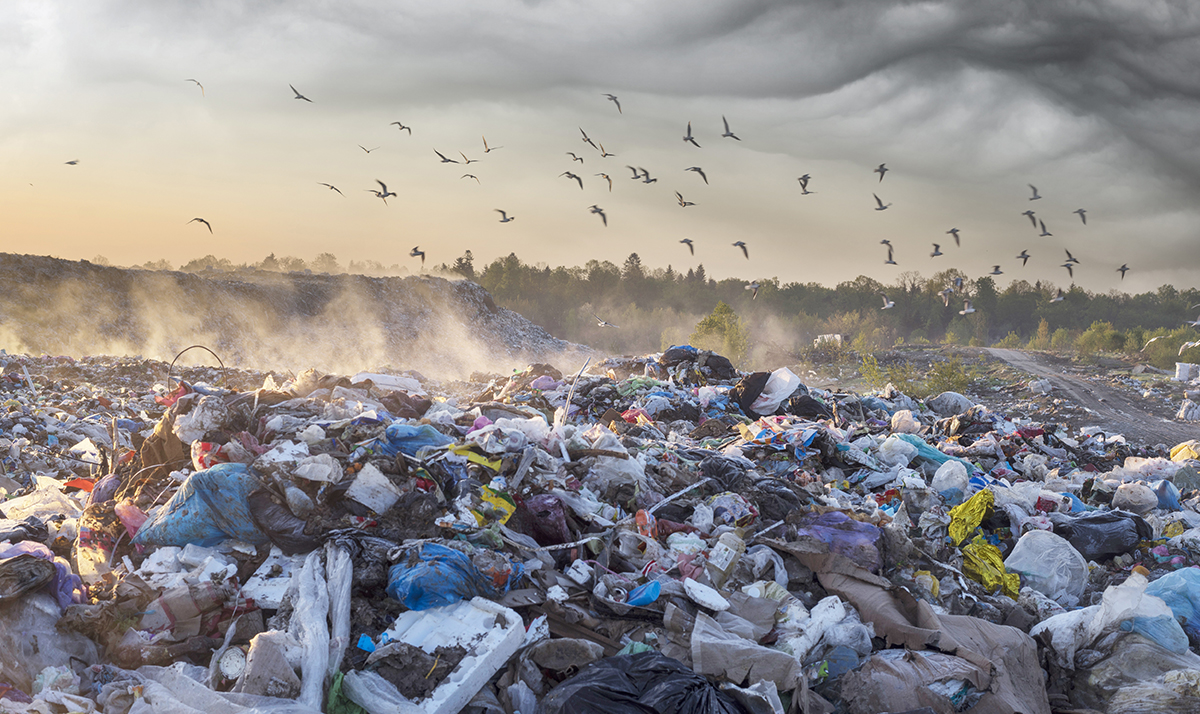
In Africa rapid urbanisation makes Africa waste management an important infrastructure priority. The gaps in waste collection, controlled disposal and treatment capacity create a need for scalable and locally appropriate solutions.
Across Asia, the challenge is about the scale and complexity of waste infrastructure. Growing urban populations are generating diverse waste streams and offering opportunities to recover materials and bring them back to productive use.
The common thread is clear: emerging markets waste management systems are designed for their future not for outdated infrastructure models.
Building the Next Generation of Waste Infrastructure
The next phase of waste management will need more than funding. It will also need the right experts, modern technology and smart long-term planning. “According to The World Bank, the middle-income countries will need around 556 billion US dollars in investments between 2022 and 2050 to address the gaps in waste management systems.” This creates a vital role for the private sector. Businesses with experienced teams can bring new technologies, project development skills, offer operational expertise and provide access to capital, this supports cities in moving from fragmented waste services to integrated systems.
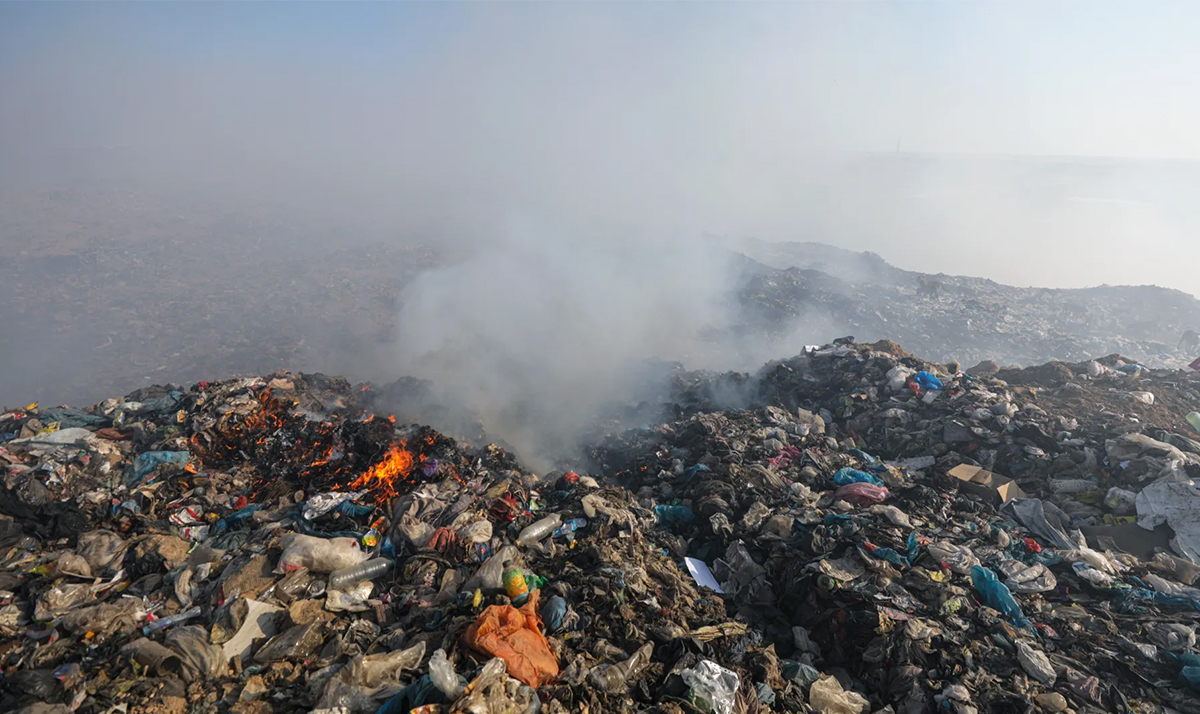
The opportunity goes beyond building waste facilities. Existing landfills can be remediated. Recoverable materials that were once thrown away can now be reused in supply chains. New treatment technologies can turn waste into value that was once considered inefficient. The promising opportunities will mix business viability with measurable environmental benefits, making environmental infrastructure just as important as economic infrastructure in emerging economies.
From Waste Management to Resource Management
The biggest change over the next decade may be in how we define waste.
Increasingly, waste will not be seen as something to dispose of but as a valuable source of materials, energy and economic value. Success will therefore be measured not by the amount of waste collected or disposed of but by how much is recovered, how much dependency is reduced on landfill and how effectively resources remain in circulation. The shift in emerging markets waste management could be transformative. It creates an opportunity to build systems that support cleaner cities while enhancing resource security and generating new economic value.
The next decade will be a defining period for emerging markets waste management. As cities grow, the need for smarter urban waste management and advanced waste infrastructure will grow increasingly important. In regions like the Middle East, Africa and Asia, the challenge simply is not just to handle larger amounts of waste, but it involves developing a system that reduces recovers resources, reduces dependence on landfills and fosters long-term economic growth.
With the technology, investment and expertise from the private sector, environmental infrastructure can lay the groundwork for cleaner, stronger, more sustainable and resource-efficient cities. The future of waste management will not only focus on what we throw away. It is about identifying what can still be recovered and creating the systems to reintegrate these resources into use.
 Food Waste
 Livestock Waste Solutions
 Agri Waste
 Waste To Energy Solutions
 Plastic Waste Solutions
 MSW Solutions
 Legacy Waste Solutions
 E-Waste Solutions
 Industrial Waste Management Solutions
 Hazardous Waste Solutions
 Restoration & Recovery Solutions
 Education & Awareness Solutions