.jpg)
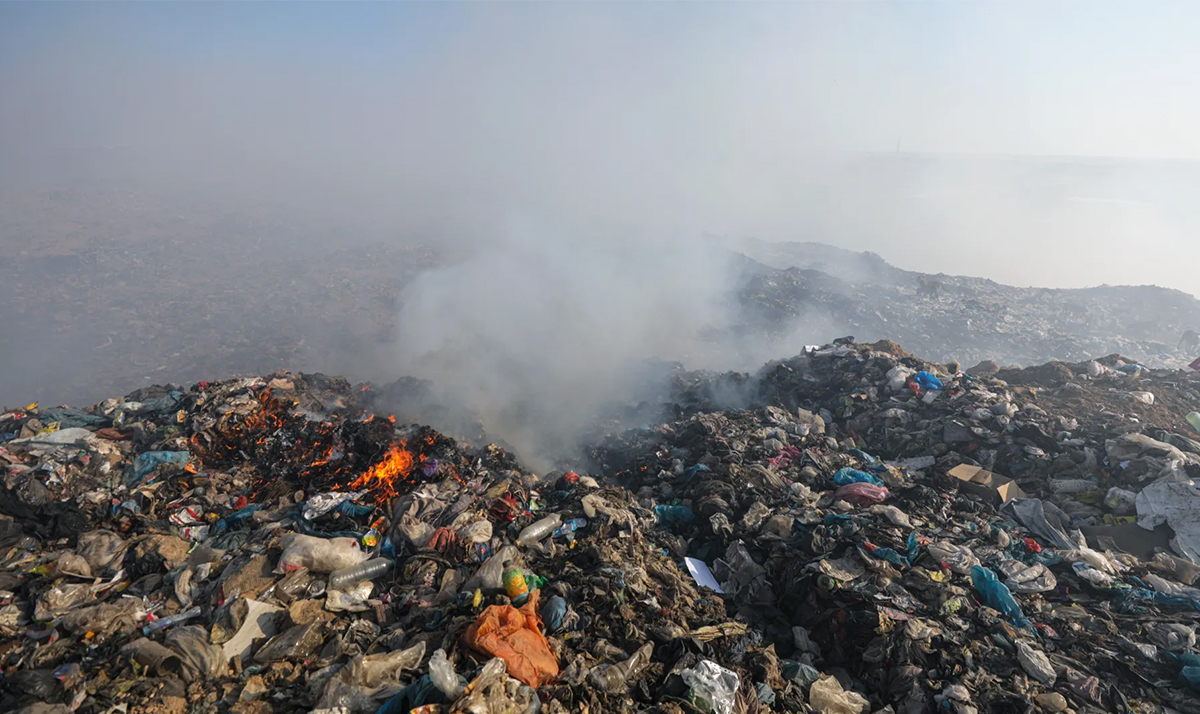
A pile of mixed waste might seem like the end of a material’s journey. Even after recyclable materials have been recovered some leftover waste still contains something valuable: energy.
That is where RDF (Refuse?Derived Fuel) changes the equation. RDF is made from the dry, combustible part of waste that cannot be economically recycled; it can be processed into a consistent fuel for industrial use. In cement manufacturing it can be used through cement co?processing by replacing a part of fossil fuels such as coal and petroleum coke while steering combustible waste away from landfills. India's policy and framework recognise this approach as part of a broader resource recovery.
From Residual Waste to a Usable Fuel
RDF is not just waste that is burned. RDF gets its value from the processing that happens before it reaches the kiln. Once all recyclable materials and unsuitable fractions have been removed the remaining combustible material can be dried, screened, shredded, separated and blended to achieve the physical and chemical characteristics required by industrial users.
RDF can contain non-recyclable plastics, textiles, paper, wood, rubber and composite packaging depending on the source. The main aim is to create a fuel with predictable characteristics, especially around calorific value, moisture, particle size, chlorine and other important parameters. Cement plants need this consistency because the fuel must fit into the existing process without compromising kiln performance or the quality of clinker.
Thus, RDF is less about finding a place to dump residual waste and more about converting a difficult waste fraction into a useful industrial input. It links two systems that are usually treated separately: municipal and industrial waste management on one side and energy-intensive manufacturing, on the other.
Why Cement Kilns Can Use RDF
Cement manufacturing needs substantial thermal energy. This energy has traditionally come from fossil fuels. Cement kilns run at extremely high temperatures and under special conditions that allow certain types of waste-derived fuels to be co-processed alongside with conventional fuels. This creates an opportunity for fossil fuels to be substituted without needing a completely separate waste-to-energy combustion system.
This process also offers a material benefit. In conventional combustion systems, the ash may be required to have separate management. The mineral content of some waste streams can actually become part of the cement clinker. The Indian government says that because of the heat, long duration inside the kiln and overall process conditions in cement kilns they can make them suitable for co-processing, as long as the waste meets safety standards and the plant has proper pollution control measures.
This opportunity is significant because India produces a large amount of combustible waste that cannot easily be recycled or disposed of safely. The Central Pollution Control Board identifies that sorted combustible parts of solid waste could be used to recover energy, while NITI Aayog's latest roadmap for the cement sector lists RDF as one route to increase the use of alternative-fuel in cement production.
The Hard Part Is Making RDF Consistent
The potential of RDF is clear. Scaling its use requires more than just producing large amounts of combustible waste. Cement plants need fuel that's dependable in terms of quality and availability.
Changes in moisture, calorific value, particle size or chlorine levels can impact kiln operations and fuel performance. This means that producing RDF requires sorting, handling, testing, for quality and proper storage. Reliable logistics are just as important because an alternative fuel only adds value when it can reach the industrial user consistently.
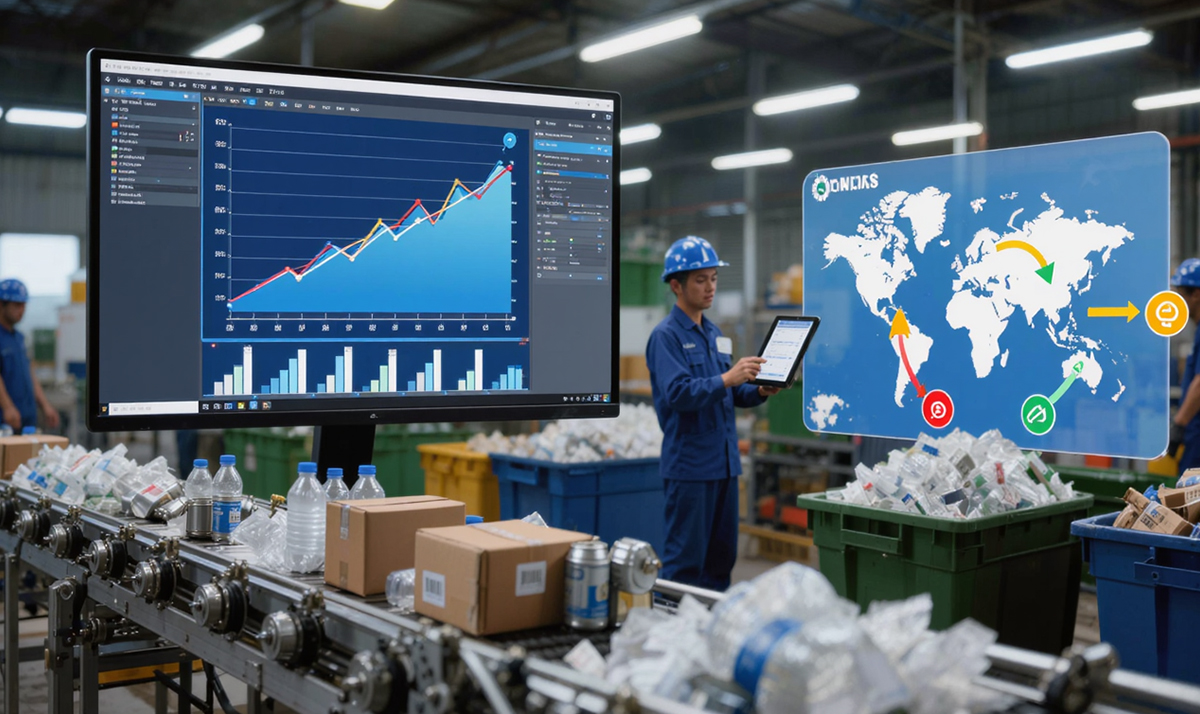
This is why the future of RDF relies on building a waste?to?resource supply chain. Waste?processing facilities cement manufacturers and local authorities must work together as parts of one system. When that chain is designed properly residual waste can move from collection and processing to industrial use with greater predictability and traceability.
Finding Value in the Residual Fraction
Landfill restoration and waste processing projects show how RDF can be used in a resource recovery system. In these operations rather than treating legacy waste as only a single material from complex waste streams, the operations involve recovering different fractions like recyclables, soil, aggregates and combustible materials.
An example is the Perungudi landfill reclamation project in Chennai. It has successfully processed more than 16 lakh tonnes of legacy waste and reclaimed nearly 95 acres of land. This project also recovers resources such as soil, plastics and other recyclable materials and combustible fractions from the waste that can be converted into RDF and used in cement kilns. It provides a large volume of difficult to recycle waste for an industrial application supporting the objective of landfill remediation.
The important point is that RDF does not need to compete with recycling. RDF sits further down the recovery hierarchy. Materials that can be reused or recycled can return to the material cycle while organic fractions may be directed towards treatment. The remaining combustible fraction can then be considered for alternative fuel applications where it meets the required specifications.
A Practical Route Towards Industrial Decarbonisation
For the cement industry the opportunity is not about waste diversion. Using suitable RDF to replace a portion of traditional fossil fuels can contribute to industrial decarbonisation and reduce reliance on new fossil resources. The real impact on emissions benefits depends on factors including the composition of RDF, its content of biogenic and fossil carbon, processing requirements and the conventional fuel being replaced.
India's cement industry has considerable potential to increase use of alternative fuels. NITI Aayog's plan for decarbonising the cement sector identifies the use of alternative fuels, including RDF as an opportunity to reduce the industry's dependence on fossil fuels. The next challenge is to build infrastructure and supply chains needed to deliver consistent, quality-assured alternative fuels at scale.
There’s clearly an interesting confluence between two major resource challenges. Cities require much improved solutions for residual waste, while energy-intensive industry needs pathways to reduce their reliance on fossil fuels. RDF can help bridge these needs only when the entire system from waste segregation to fuel preparation and industrial utilisation, operates cohesively.
RDF represents an important link between waste management and industrial resource efficiency. It transforms non-recyclable combustible parts into a quality?assured alternative fuel by providing a pathway for materials that would otherwise be directed towards disposal.
For the cement industry using cement co-processing provides an established pathway to increase the substitution of fossil fuels while achieving the industrial decarbonisation objectives. For waste-management systems it offers an avenue to reduce landfill dependency and improve the recovery value from residual waste.
The opportunity ahead lies in building integrated supply chains that connect waste processing with industrial demand. With RDF quality, reliable infrastructure and effective co?processing partnerships residual waste can become a dependable resource, within a more circular and resource?efficient industrial economy.
 Food Waste
 Livestock Waste Solutions
 Agri Waste
 Waste To Energy Solutions
 Plastic Waste Solutions
 MSW Solutions
 Legacy Waste Solutions
 E-Waste Solutions
 Industrial Waste Management Solutions
 Hazardous Waste Solutions
 Restoration & Recovery Solutions
 Education & Awareness Solutions