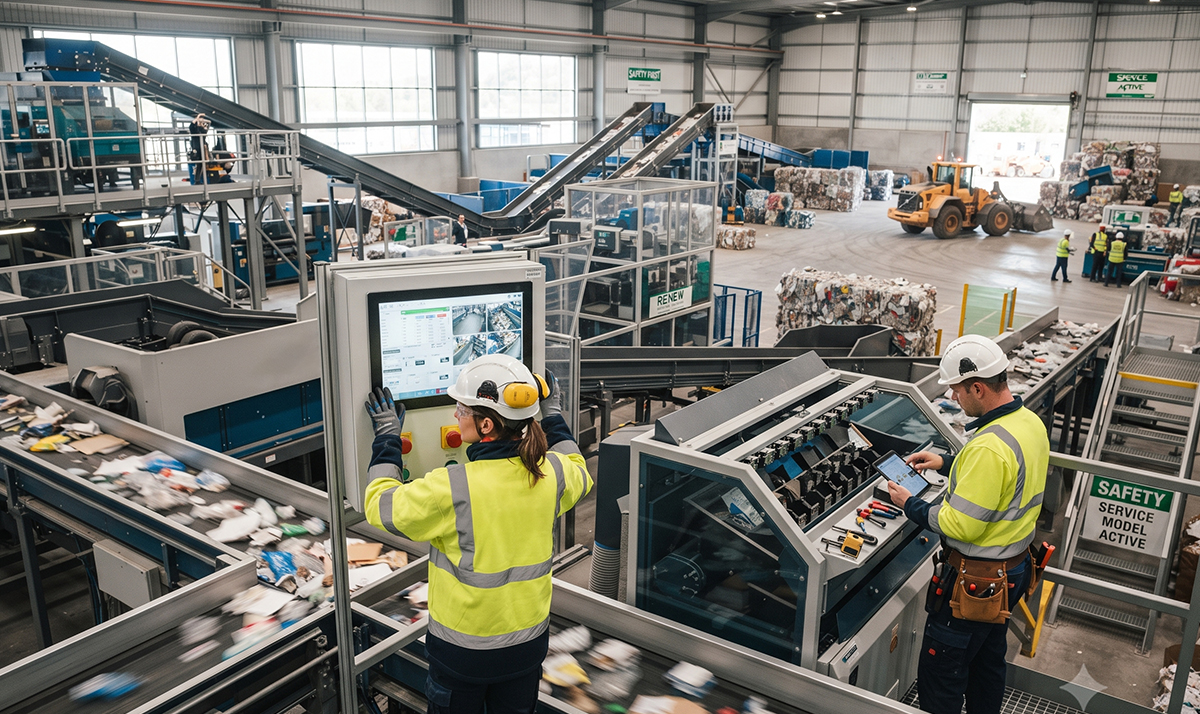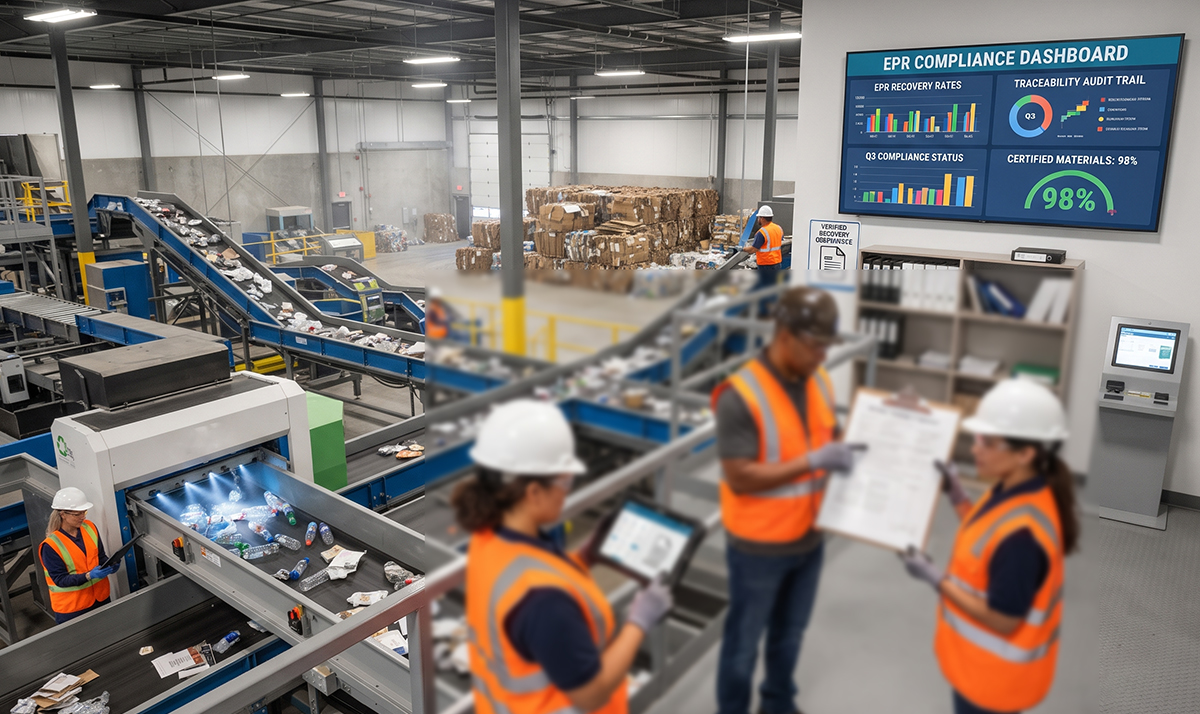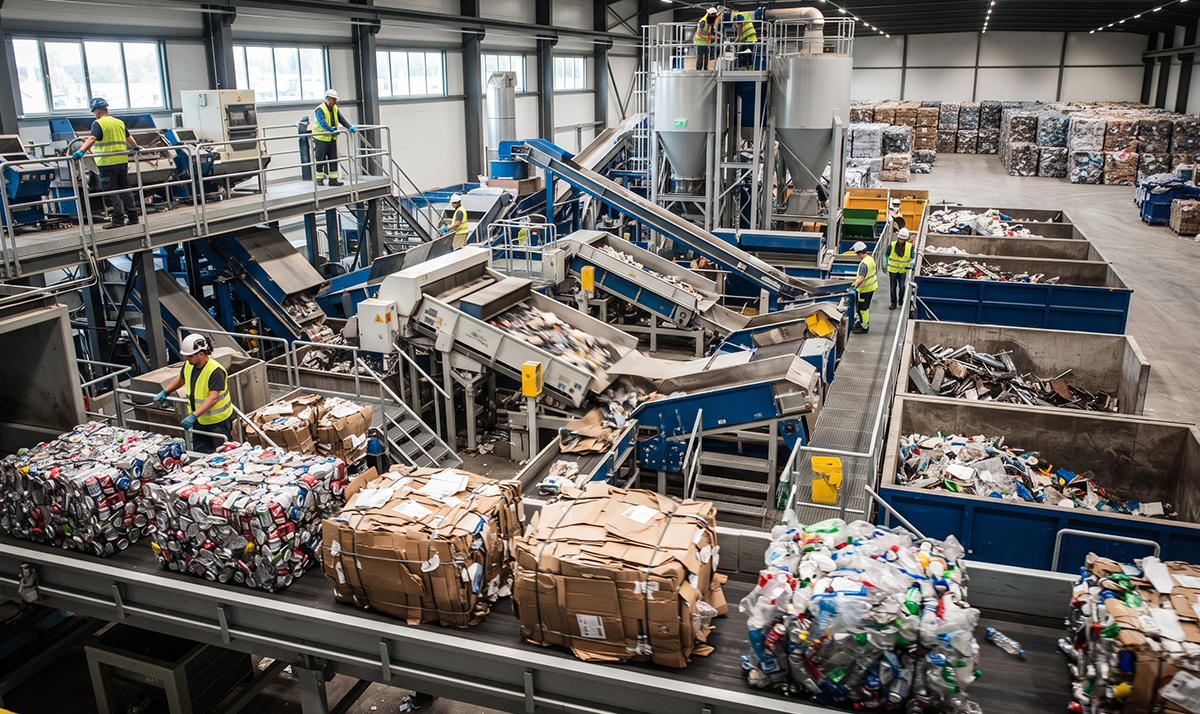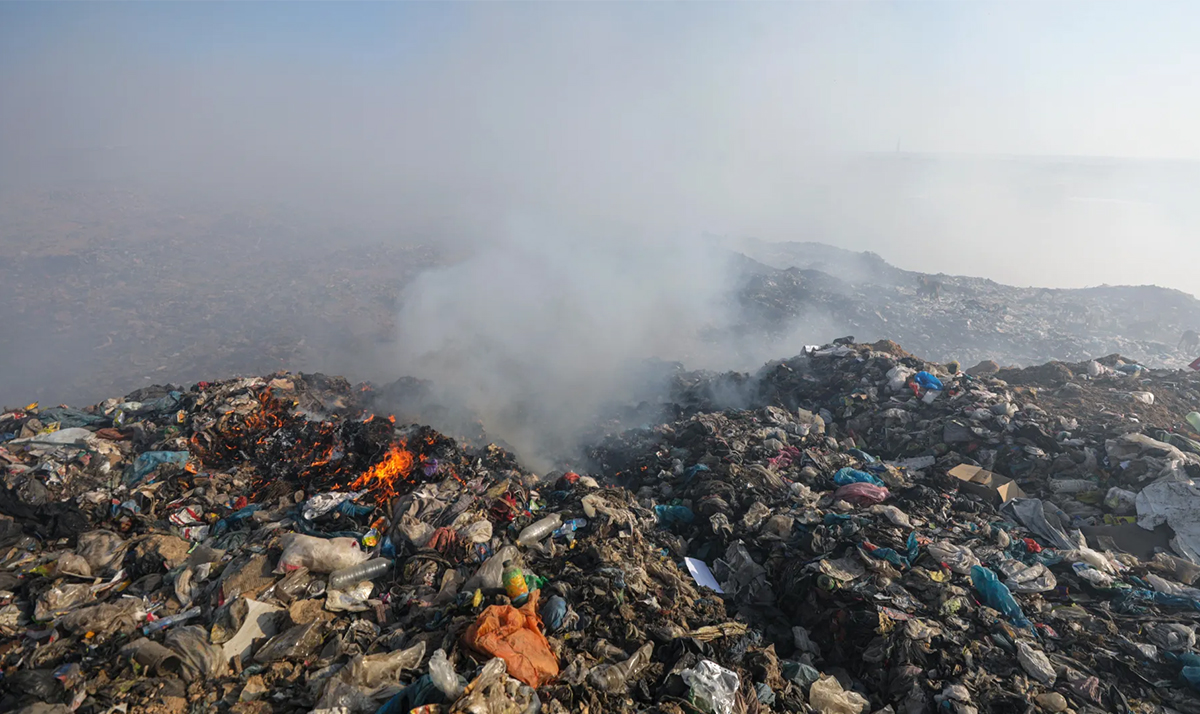
Climate conversations often focus on carbon dioxide, energy systems and fossil fuels. There is another gas that is quietly affecting the pace of warming: methane, a significant share of it is connected to some cities that deal with everyday waste.
When food scraps, garden waste and other organic materials are put into landfills or open dumps where there is no oxygen they break down. Create methane. According to the United National Environment Programme, the waste industry is responsible for 20% of human-caused methane emissions, this means that managing waste is more than a sanitation problem, for keeping cities clean and is also an important part of climate mitigation.
What Happens When Organic Waste Goes to Landfill?
The effect of waste on the climate begins long before a landfill starts releasing visible gas. Organic waste has carbon that was recently part of biological systems. When these materials are buried under layers of waste and decompose in low-oxygen conditions, microorganisms create methane as part of the process.
This is why methane from landfills is strongly connected to how cities handle food scraps and other biodegradable materials that can break down. The United Nations Environment Programme says keeping waste out of landfills by better separating trash at the source reusing and recycling and using energy from waste or collecting methane from landfills are important steps to cut down on methane emissions.
The problem gets worse as more waste is created. The World Bank predicts that the amount of waste from cities could go up to 3.88 billion tonnes every year by 2050 if things stay the same. If more organic material keeps going into landfills that are not properly run the effect, on the climate doesn't go away just because the waste is buried.
Methane Avoidance Starts Before the Landfill
One of the important changes in thinking is to stop managing methane once it is made and instead focus on stopping it from being created in the first place. Collecting gas from landfills can help. Preventing methane by keeping waste out of landfills is a better solution.
This means taking waste and sending it to places, like composting sites, anaerobic digestion units or biomethanation systems instead of letting it rot in a landfill. With digestion tiny living things break down organic material in a safe and controlled way and make biogas. This biogas can be used to make power or improved for uses.
Blue Planet’s focus on biomethanation follows this idea. Their organic waste programs deal with food waste, farm waste, city organic waste and other materials that can be broken down. The main point is simple: when organic waste is handled near where it's made it stays out of waste systems and its natural value is taken back.
What About Waste Already Sitting in Landfills?
Avoiding landfill emissions is only half the equation. Cities also have millions of tonnes of waste already sitting in old dumpsites. These sites can continue to create problems for the environment, including methane emissions, water that leaks out and fires.
This is where fixing landfills and taking materials from them becomes important. Instead of thinking of a landfill as something that will stay forever fixing it can involve digging it up checking what is there sorting materials and taking what can be used again. Then the area can be made safe. Used again. Taking out and dealing with waste can lower the amount of waste that is still breaking down in the landfill while getting materials that can be used again. Blue Planet has talked about this method as part of its work with Zigma Environmental Solutions at landfill sites in India.
The Perungudi landfill in Chennai shows what this can look like on a scale. Blue Planets Zigma Environmental Solutions has worked on dealing with, than 16 lakh tonnes of old waste and making nearly 95 acres of the old dumpsite usable again. The project shows a point: fixing landfills can solve environmental problems while also getting materials back and making valuable city land useful again.
Turning Organic Waste Into a Climate Opportunity
The conversation about methane should not end with reducing emissions. Organic waste also holds energy and biological value that can be gained through the systems.
Biomethanation is one example of letting organic waste produce methane in a random way in a landfill controlled anaerobic digestion that collects methane-rich biogas for useful purposes. Depending on the system this can help create electricity provide cooking fuel support uses or be improved into renewable gas.
This offers a way to think about handling organic waste. The question is no longer just "Where should this waste go?" It changes into "What can this material turn into before it is wasted?" That change links waste systems with energy security, resource recovery and reducing emissions, from the waste industry.
Methane might not come up much in talks about waste but its effects on the climate are hard to ignore. The waste industry is responsible for one-fifth of methane emissions caused by people. Improving the way we collect move and handle materials can be a key part of taking action on climate change soon.
The answer isn't one technology or one change. It's a system that works together, preventing waste that can be avoided by separating the parts that are organic and taking those parts away from landfills treating them in the right way to recover resources from old dumps and take care of whats left. Stopping methane starts with thinking about waste. It's not something that just disappears after its thrown away. It's a flow of materials that can affect the climate, energy and how we use resources.
 Food Waste
 Livestock Waste Solutions
 Agri Waste
 Waste To Energy Solutions
 Plastic Waste Solutions
 MSW Solutions
 Legacy Waste Solutions
 E-Waste Solutions
 Industrial Waste Management Solutions
 Hazardous Waste Solutions
 Restoration & Recovery Solutions
 Education & Awareness Solutions