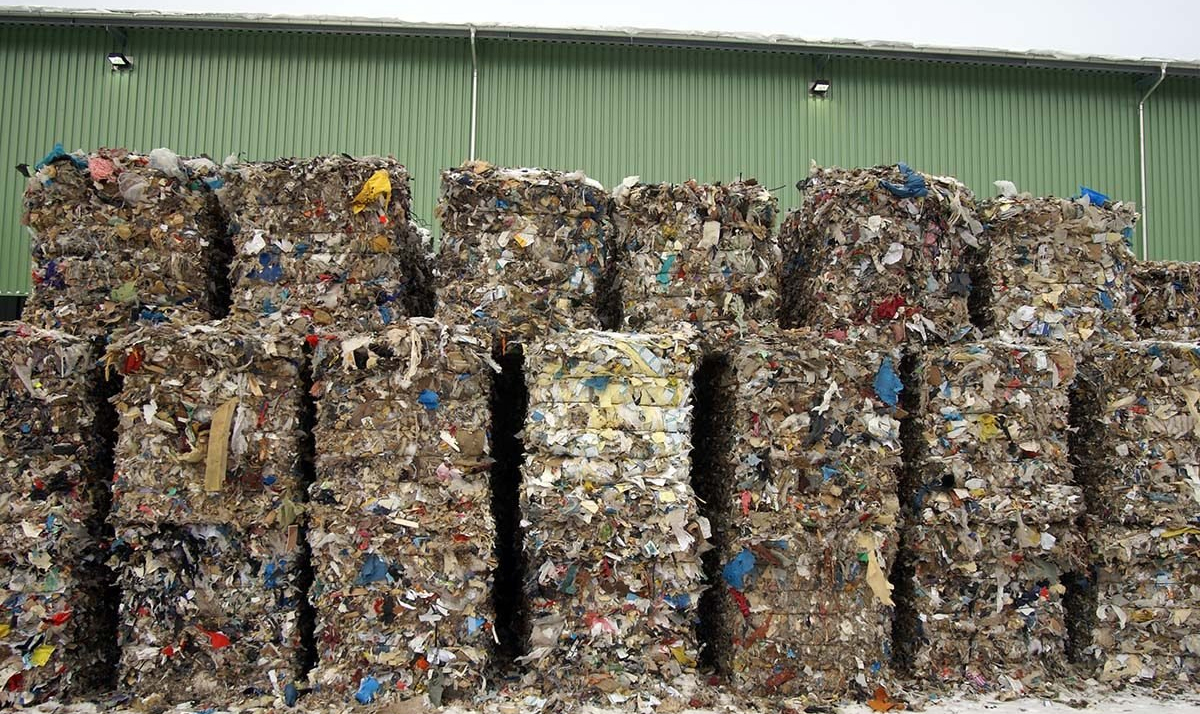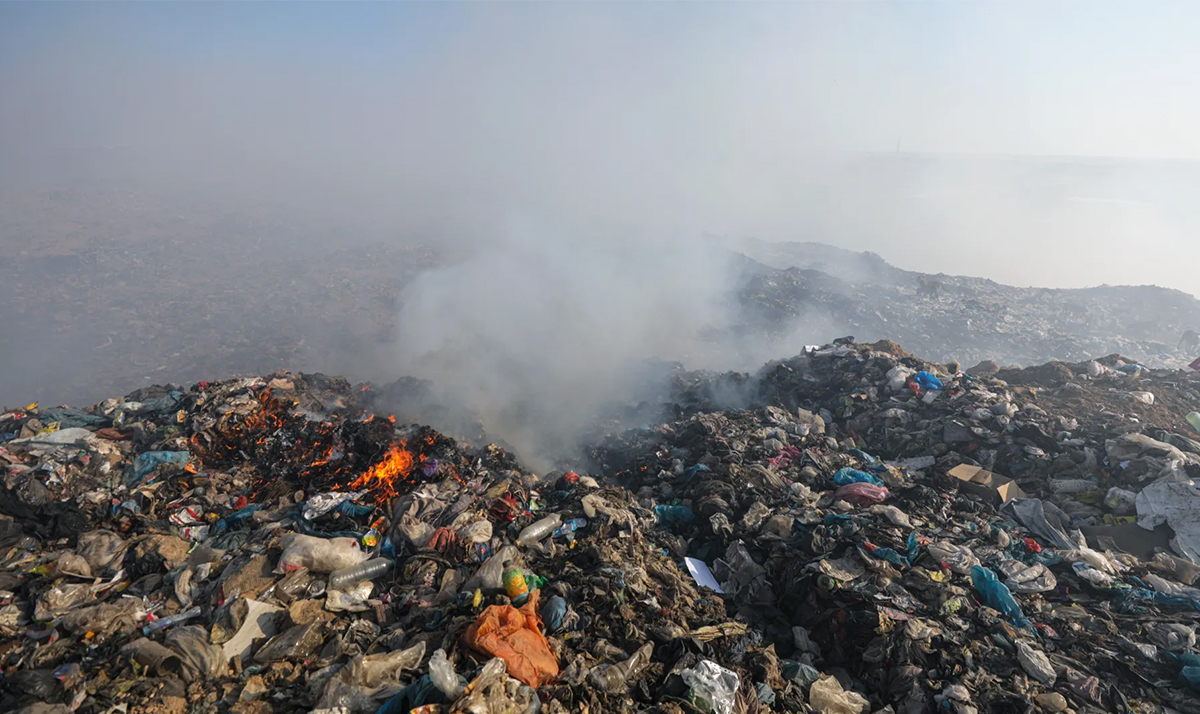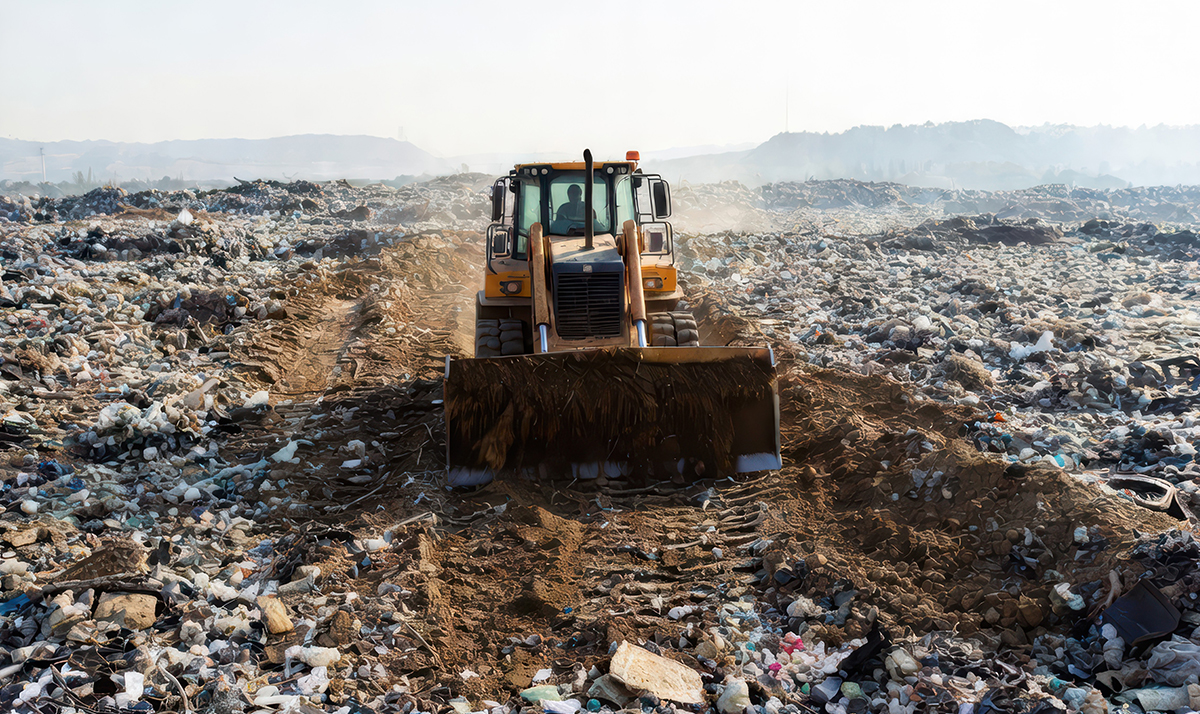
For years, landfill has been treated as the destination for waste. As cities grow and available land becomes valuable, old dumpsites are being reconsidered in a new way. Beneath these mountains of waste lie not only decades of accumulated waste but also recoverable materials that address environmental liabilities and provide the potential for lands to be repurposed.
This is where landfill remediation extends beyond an exercise in waste management. Through excavation, sorting, processing and resource recovery old waste can be managed allowing materials to be returned to productive use and land to be gradually restored. The economic benefit lies in looking beyond the cost of clearing a landfill and considering the value of materials reduced environmental liabilities and land that can be reintegrated into the urban landscape.
The Hidden Economics of Legacy Waste
An old landfill can become a long-term burden for the environment and the economy. The landfill may lead to issues like leachate, methane emissions, fires and unpleasant odors, these problems may require immediate attention and the land remains unusable for alternative use. In fast-growing cities, this raises a question: Are these landfills permanently treated as liabilities or can they be transformed into opportunities for renewal and recovery?
The answer depends on the attributes of each landfill. It involves the age and composition of the waste, processing requirements, the market for recovering materials and the future use of the land. A well-planned remediation program can bring value in multiple ways simultaneously. The Perungudi dumpsite in Chennai shows a practical example of large-scale waste management. Over 1.7 million cubic metres of legacy waste have been treated and approximately 96 acres of land have been reclaimed. Materials including plastic, stone, soil and refuse-derived fuel have been recovered for productive use. The project shows that how addressing an old dumpsite can bring benefits beyond just removing the waste from the site.
The significance of the Perungudi dumpsite lies in the diverse outcomes. Landfill reclamation can reduce the environmental impact of the accumulated waste but also creates opportunities for resource recovery and land recovery. A site that was once mainly associated with waste disposal can through systematic remediation become a part of a city’s broader plan for land use and environmental strategies.
Biomining: Recovering Value from Old Waste
At the core of many remediation projects is biomining, which includes excavation and processing of old waste to separate recyclable, reusable, flammable and non-recyclable materials. This method allows what was once regarded as a disposal problem to be assessed for its remaining resource value while also creating a pathway for land recovery.
The Atladara site, in Vadodara, shows a practical example of how biomining works. The site spread across 17 acres, holds approximately 3.75 lakh metric tonnes of legacy waste, the site underwent biomining through utilizing zero-residue method. The accumulated waste was processed and sorted, allowing the land to be reclaimed without sending any residual material back to a landfill. This result shows why the benefits of biomining go beyond removing waste. Resource recovery, reduced disposal needs and the potential return of the land that was once buried under decades of legacy waste for future use to contribute to the larger value of landfill remediation.
From Landfill Reclamation to Urban Renewal
The most valuable outcome of remediation may be the land itself. Land recovery does not mean that a reclaimed landfill is immediately ready for development. The future use of the land depends on engineering assessments, environmental conditions, regulatory requirements and long-term stability. Land remediation gives an opportunity to bring the land that once buried under waste back into the city’s planning framework.
Urban renewal gives a broader meaning that, it is not always about building something new, sometimes it starts with recovering land and resources that already exist. For example, at Perungudi reclaiming the land from accumulated waste matters because of the site’s link to the Pallikaranai wetland ecosystem. Similarly, Atladara shows how remediation can work closely with the surrounding river environment. In this way landfill remediation brings together resource recovery, environmental restoration and land recovery to create a value that extends beyond the limits of the original dumpsite.
Looking Beyond the Cost of Remediation
The economics of landfill remediation must be considered for the full life of a project, not just focusing on the initial cost of clearing the site. When recovered materials can create value when viable markets are present, reducing the amount that goes for disposal can ease pressure on both the current and future landfill space. Managing accumulated waste also helps in reducing long-term environmental management needs.
The financial outcomes will differ from one site to another. The factors such as waste composition, processing costs, material quality and market demand all impact a project's viability. That is why careful site assessments and the use of appropriate processing technology are essential. The broader value of land remediation can extend beyond direct financial returns. When environmental liabilities are addressed, resources are recovered and previously buried land can be available now for future use, remediation is seen as an investment in the long-term sustainability of urban systems.
The future of landfill management is more about recovering value rather than simply managing waste. Perungudi and Atladara demonstrate how this approach can be put into practice, which includes processing accumulated waste, recovering materials, land reclamation and achieving zero-residue results. These stories show that old dumpsites are not just environmental liabilities, but they are opportunities to recover resources and renew the land. Landfill reclamation is not just about simply removing waste from the ground, it is about what can be recovered, what risks can be reduced and what possibilities can appear when land and resources are brought back into focus. For cities confronting growing populations, limited land and increasing infrastructure demands, landfill remediation, biomining and land recovery can play a vital role in building more resource-efficient urban renewal.
 Food Waste
 Livestock Waste Solutions
 Agri Waste
 Waste To Energy Solutions
 Plastic Waste Solutions
 MSW Solutions
 Legacy Waste Solutions
 E-Waste Solutions
 Industrial Waste Management Solutions
 Hazardous Waste Solutions
 Restoration & Recovery Solutions
 Education & Awareness Solutions