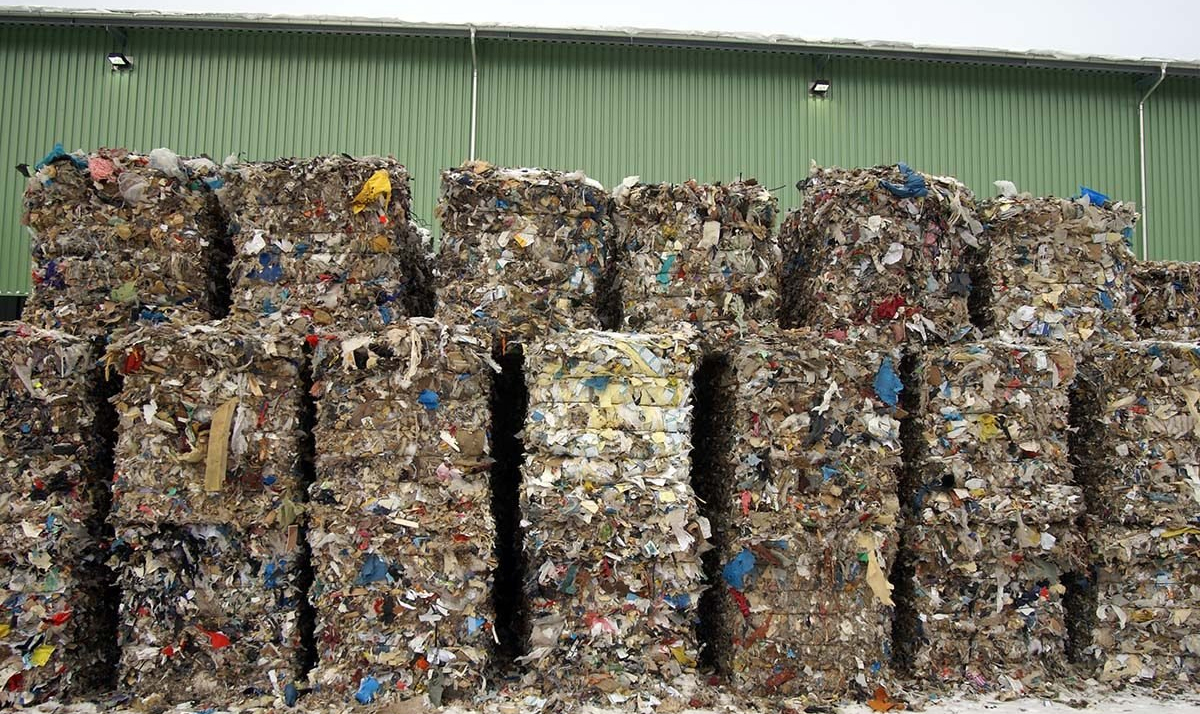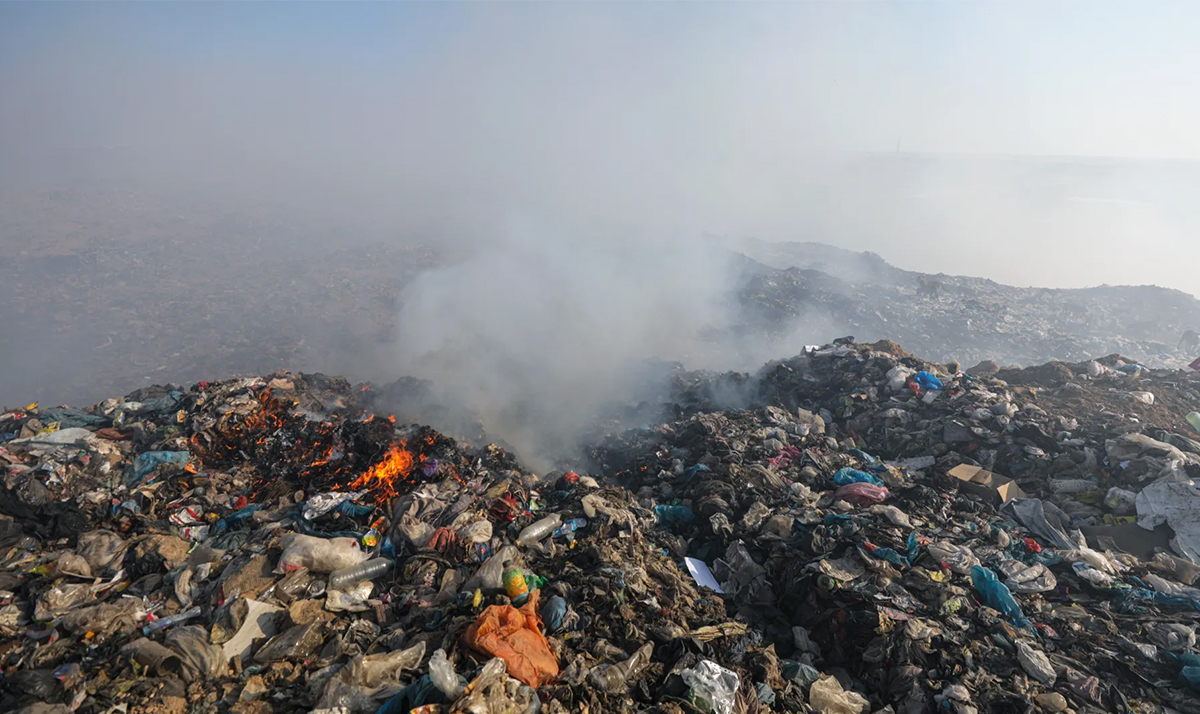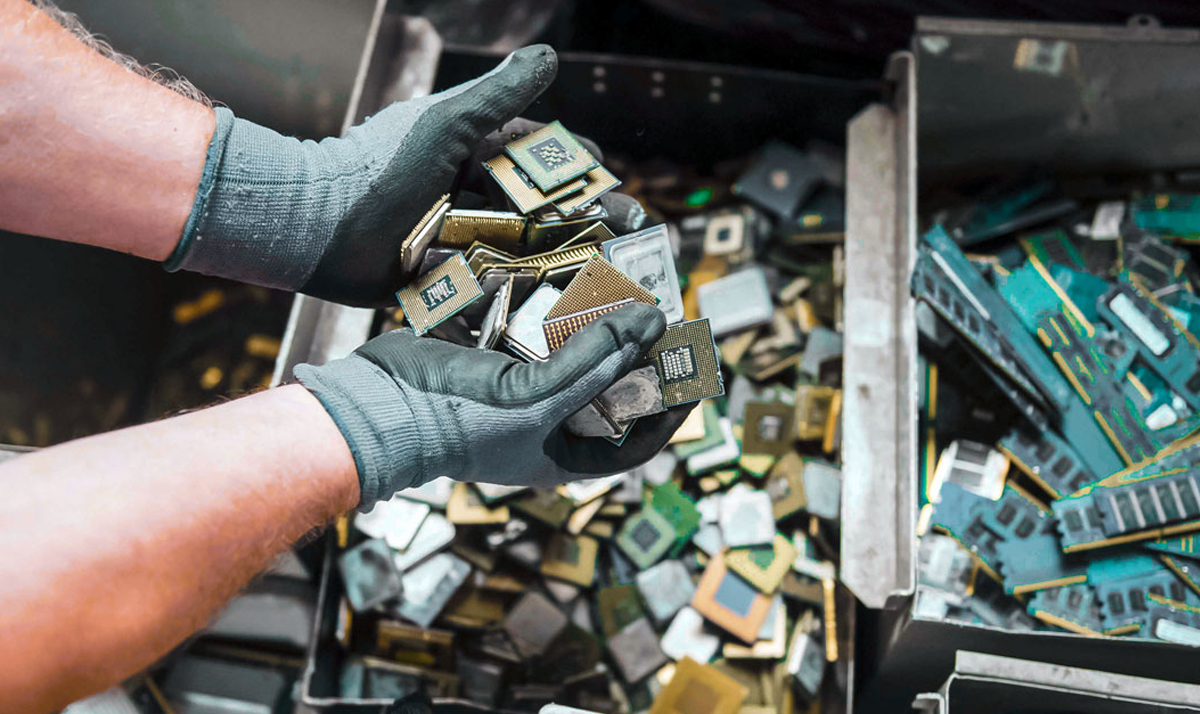
Waste management does not become a problem the moment it leaves a collection point; its journey starts through transport, sorting, treatment, recycling, recovery and final disposal. For businesses that handle large and varied waste streams tracking that journey is becoming as important as moving the material itself. This is why waste traceability is becoming an important part of modern waste management. Digital systems can link information from collection, transport, processing and recovery creating a more reliable and clear record of where material has been and what happened to it. As organisations face expectations for transparency, reporting and waste compliance this visibility can turn fragmented operational records into a connected picture of the waste chain.
The shift is also changing how waste is seen. Better waste data is not useful for proving compliance; it can help businesses understand material flows, spot operational gaps improve resource recovery and make more informed decisions. Digital traceability is becoming a bridge between waste management and the broader movement, toward a circular economy.
Why Waste Traceability Matters Beyond Collection
Waste movement often involves handovers, it starts with the waste generator and collection team then moves to transporters, processing facilities, recyclers and recovery units. When information from these various stages is kept separately, it becomes challenging to understand what happened to the material. Waste traceability helps to fix this challenge by creating a continuous record of the material’s movement, quantities, handling and final destination.
A reliable chain of custody for waste can answer questions that both operators and customers care about. Where did the material originate? How much was collected? When was it transported and received? What kind of treatment did it get? How much was recovered, recycled or sent to another stage or treatment? Digital systems make these processes easier for information to be recorded, accessed and validated by reducing the reliance on fragmented paper records and manual reconciliation.
The OECD has highlighted that digital tools like GPS tracking and cradle-to-grave databases help track waste from its origin to its destination and also allow for cross-checking of shipment data to monitor compliance.
How a Waste Management ERP Connects the Waste Chain
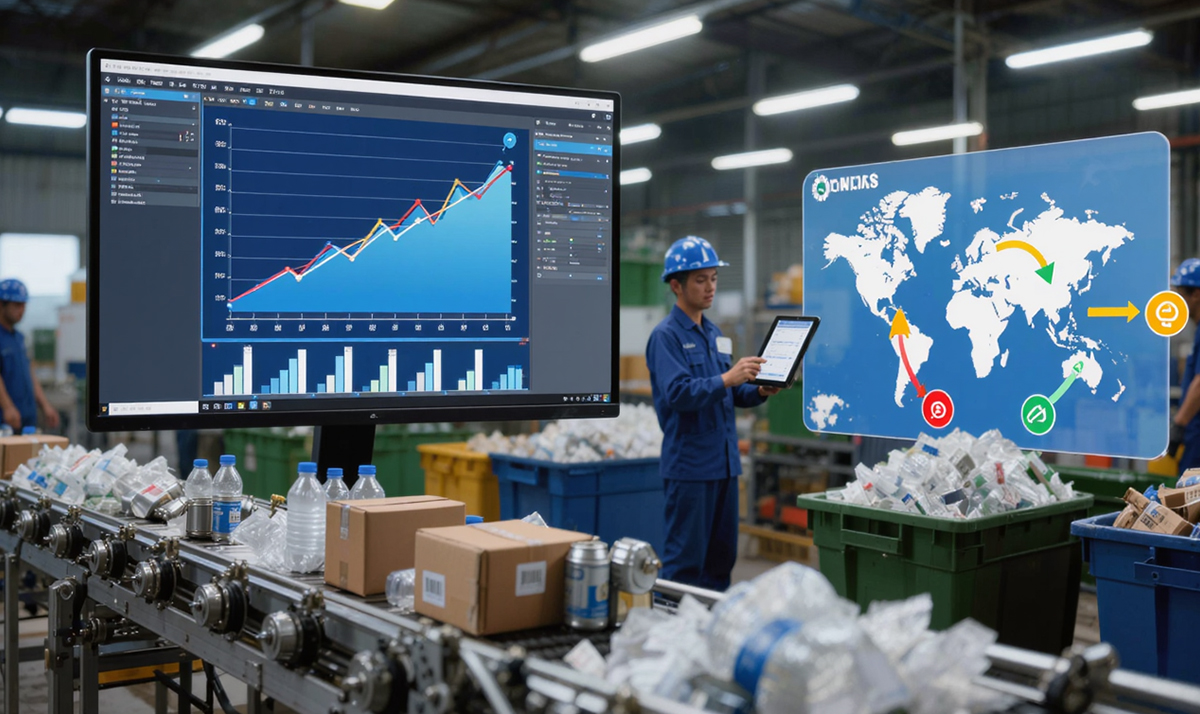
A waste management ERP can bring operational activities into one connected system. Collection details, vehicle movements, weighment records, processing information, documentation and customer reporting can all be linked to the same material flow. This results in a digital record that follows waste instead of letting each department maintain its own version of what happened.
Digital waste tracking becomes especially useful when it is used, instead of compiling information at the end of a reporting period teams gain better visibility while operations are happening. Managers can spot discrepancies in quantities, monitor movement between facilities, review processing results and access records when documents are needed.
The goal however should not be just to replace paper with software. The real value comes from linking operational data so that people can make better decisions. When collection, transportation and recovery of information can be viewed together waste management ERP becomes more measurable, responsive and accountable.
Turning Waste Data into Compliance and Customer Confidence
Compliance now relies heavily on evidence. Organisations must show not that they collected waste but also prove that the waste was processed through the proper channels and reached the reported destination. Reliable waste data builds the foundation, as this evidence creates records that can support audits, regulatory reports and customer communications.
This is especially important because waste rules shift toward digitalization. "In 2026 the European Union launched the Digital Waste Shipment System (DIWASS). This system introduces processes, for waste shipment information and documentation thereby enhancing traceability and tracking of waste movements." For customers the change brings benefits. Sustainability claims are highly expected to be supported by reliable and verifiable information.
A digital trail that connects every step of the waste journey gives customers greater confidence in reported quantities, recovery outcomes and destinations. It helps waste operators in resposnding to any information requests without relying on scattered files or records. Therefore, waste compliance is becoming about data quality as much as it is about operational performance.
From Tracking Waste to Managing Resources
The longer-term opportunity goes beyond knowing where waste has travelled. As waste management shifts toward resource recovery organisations need visibility into the materials moving through their systems. They need to understand the quantities, composition, destinations and the recovery outcomes. This level of insight can help identify patterns, plan processing capacity, optimise logistics and find where greater recovery value can be created.
For an integrated waste management business, this perspective is especially important. Waste streams can follow different recovery pathways including recycling, upcycling, resource recovery, biomethanation and other treatment processes. Connecting these activities through systems can create a clearer relationship between how the material enters the system and what resources are ultimately recovered from them.
In that sense waste traceability is not about tracking waste from point A to point B. It is about making the entire material journey more visible. When organisations can visualise the journey clearly they are better equipped to improve operational performance, demonstrate outcomes and shift from managing waste as a disposal challenge to managing it as a resource.
The future of waste management will not simply be measured by how much waste's collected. It will increasingly be measured by how organisations can account for what happens after collection, how material moves, where it is processed, what is recovered and what ultimately remains. A connected waste management ERP, supported by digital waste tracking can bring this visibility into everyday operations. By creating a waste chain of custody and turning fragmented records into useful waste data digital traceability can strengthen operational control, customer reporting and waste compliance. Its greatest value lies beyond compliance. When every movement can be traced and every recovery outcome can be demonstrated waste becomes easier to manage, measure and ultimately value. For a sector moving toward circularity, digital traceability is not a technology upgrade, it is part of the infrastructure needed to connect waste collection with resource recovery.
 Food Waste
 Livestock Waste Solutions
 Agri Waste
 Waste To Energy Solutions
 Plastic Waste Solutions
 MSW Solutions
 Legacy Waste Solutions
 E-Waste Solutions
 Industrial Waste Management Solutions
 Hazardous Waste Solutions
 Restoration & Recovery Solutions
 Education & Awareness Solutions