Every day hotels, factories, housing communities, institutions, food-processing facilities and commercial kitchens generate large quantities of food and organic waste. Once this waste is discarded, generally it will be collected and transported somewhere for treatment or disposal. But organic waste is different from other types of waste streams, it is biodegradable, continuously generated and has the potential to produce energy. This makes a more pressing question: not how to dispose of food and organic waste but how to treat it closer to where it is generated and put to use.
This is where decentralised waste management is becoming increasingly relevant, as instead of moving organic waste through long routes for collection and transportation, the facilities of organic waste treatment can bring it closer to the source and recover value from it. Through the biomethanation process, food waste can be converted into biogas, creating a link between waste management and energy generation. In this circular approach, waste can become the starting point for resource recovery rather than always being treated as the end of their useful life.
Bringing Organic Waste Closer to Its Next Use
Food waste poses a particular challenge because of its moisture content and the speed at which it decomposes. For facilities that generate large amounts of organic waste every day, transporting this material away can become a logistical task. The greater the distance involved between the generation and treatment of the waste, the more dependence on collection infrastructure, vehicles and fuel. A decentralised idea changes the starting question by asking whether the waste needs to be transported at all.
When proper infrastructure is available, organic waste can be sorted and treated on-site or closer to the facility where it is generated. This method can reduce the movement of wet food waste while allowing for local energy recovery. This approach is most relevant in areas with a consistent supply of organic waste and a nearby need for heat, cooking fuel or electricity. India's policy framework has also recognised decentralised processing techniques, such as biomethanation and anaerobic digestion, as an important strategies for managing biodegradable food waste.
The shift is not merely from one waste treatment technology to another but it represents a shift in perspective regarding the entire waste stream. The food waste was once considered something to be discarded from a site.
From Food Waste to Biogas
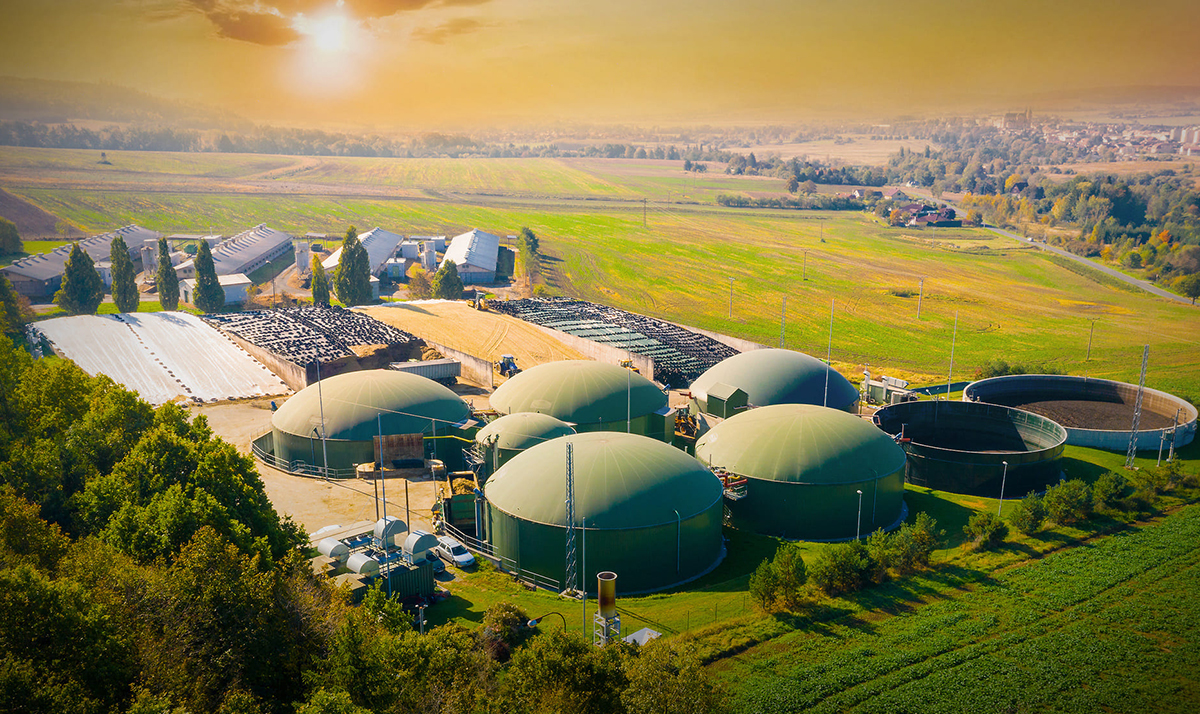
Biomethanation is a key component of the transition toward sustainable energy solutions. Through anaerobic digestion, microorganisms decompose biodegradable organic matter without oxygen, resulting in the producing of methane-rich biogas. This biogas can be utilised for supporting cooking, heating or electricity generation, depending on the technology and application. The process also creates a digestate that can be treated and managed for beneficial use when needed.
The importance of converting food waste to energy lies in the fact that feedstock is already produced. A hotel kitchen doesn’t have to find something to make biogas; a place that makes food doesn’t need to have an additional source of raw material to produce biogas and it also doesn't need food processing facilities to create new waste streams. Instead, the opportunity is to derive value from materials that are already generated and part of daily operations. The generated waste supply and energy demand align well, it can help reduce dependence on conventional fuels while allowing organic waste a productive use in the facility.
This paradigm shift also changes how economies assess waste management. It's no longer only just a matter of calculating the costs for collection and disposal of food waste, but what value can be recovered from it. The factors influencing such as transportation needs, waste volumes, energy consumption, technology, segregation quality and operational conditions. The main principle remains simple: the closer the waste treatment facility is to resource use, the shorter the path between waste generation and value recovery.
What Decentralised Biomethanation Looks Like in Practice
The idea becomes more meaningful when it is applied to operating environments. Blue Planet has built capabilities across organic waste management and bioenergy including decentralised solutions. These systems are designed to process organic waste closer to its source and convert it into biogas that can be used within the surrounding operation. Than treating biomethanation as an isolated waste?management intervention the approach connects biomethanation with the actual resource needs of a site.
Blue Planet's work across settings shows how the plan can adapt to different sizes and needs. At Tata Motors Pimpri decentralised biogas infrastructure has become part of the facility's waste?management and sustainability efforts. At Thyssenkrupp Industries the system has been used in a way that supports reduced LPG consumption. In a residential setting such as Ashok Meadows Housing Society organic waste is processed to generate biogas for common?area requirements while compost is also produced. These applications illustrate that the value of biomethanation depends not on processing waste but on creating a practical connection between the recovered output and its end use.
This flexibility is important because organic waste generation is different from one place, to another. A manufacturing facility, a hotel and a residential community will have waste types, different schedules and different energy needs. Decentralised systems can therefore allow waste infrastructure to be designed around the conditions of a site instead of relying on a one?size?fits?all model.
The Shift from Disposal to Resource Recovery
The opportunity extends beyond individual facilities. As cities grow and organizations become more focused on resource efficiency, waste management is increasing and linked to energy, infrastructure and environmental performance. Organic waste suits this transition because it recovers the biological value through treatment processes rather than being lost through disposal.
This suggests a new approach for the future: first, where waste is managed based on how much value can still be recovered from it. Blue Planet works in biomethanation, biofuels, waste to energy and resource recovery, showing the broader transition. The Mahindra Waste to Energy Solutions, which converts municipal wet waste into Bio-CNG through biomethanation, shows how organic waste can be integrated into a larger energy and circular economy ecosystem.
The significance is to build waste infrastructure that not only handles waste but also supports in local energy generation, reduces unnecessary transportation of materials and provides pathways for recovering value. This approach develops decentralised treatment as an increasingly important part of how businesses, communities and urban areas manage their organic waste.
The journey of food waste extends beyond simple collection and disposal. When the right conditions are available, organic waste material can be treated closer to its source to produce biogas and reviving energy resources. This shift shows an opportunity to redefine how food waste management is not just how to discard materials but as a dynamic process that extracts value from what was once considered useless. Decentralised biomethanation is changing this transformation, bridging the gap between food waste generation and energy recovery. By moving treatment to the source, reducing logistical hurdles of hauling wet food waste over long distances while building a sustainable pathway for energy recovery. The transition from disposal to recovery shows how food waste infrastructure can become a cornerstone of a resource?efficient economy. The real challenge is redefining our perception of food waste, it is no longer what we discard but a potential resource that holds immense value. By building infrastructure that aims to recover this value, can create a future where food waste is not a burden but a vital contributor to a sustainable energy landscape.
 Food Waste
 Livestock Waste Solutions
 Agri Waste
 Waste To Energy Solutions
 Plastic Waste Solutions
 MSW Solutions
 Legacy Waste Solutions
 E-Waste Solutions
 Industrial Waste Management Solutions
 Hazardous Waste Solutions
 Restoration & Recovery Solutions
 Education & Awareness Solutions