An old laptop, mobile phone or household appliance might look like a product that has stopped working and reached the end of its life, but inside it are materials that are valuable and essential for the modern economy. Copper, aluminium, gold and other valuable metals are critical materials for electronics, for infrastructure and the technologies that help in the global transition to move toward being a more connected and electrified world.
As global demand for these materials is rising, countries are looking beyond traditional mining to strengthen the supply chains. This change is attracting greater attention towards e-waste recycling, where discarded electronics can be turned into a source of secondary raw materials again. The possibility is huge. “According to The Global E-Waste Monitor 2024 says the world generated 62 million tonnes of e-waste in 2022, which had an estimated value of about US$91 billion worth of metals. Most of that value is still not being recovered. The complexity now ahead is not how to manage growing piles of e-waste but to create systems that can recover the resources from it and reuse them.”
The Resource Inside the Waste
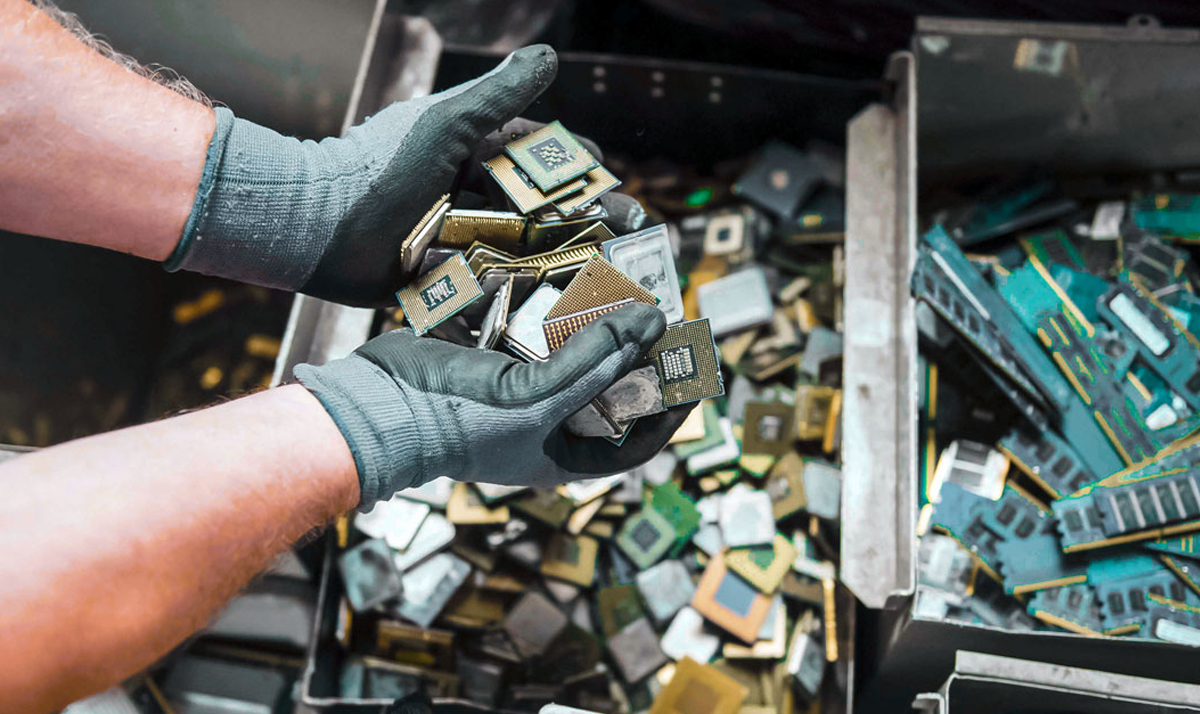
Modern electronics contain different materials that have already been through extraction, processing and manufacturing. When a device is thrown away, the materials inside it do not simply lose their value. Copper is widely used in wires and electrical components while precious metals such as gold, one of the metals can be found in circuit boards and connectors. Critical materials are becoming more important, for batteries, renewable technologies and advanced electronics. Meanwhile, the global supply chains for many essential materials remain concentrated in a limited number of countries, leading to exposure to geopolitical changes, supply disruptions and price volatility.
This is where urban mining offers a new perspective, instead of viewing cities only as consumers of resources they can also be viewed as sources of materials already in circulation. Electronics that sit in homes, offices, warehouses and recycling centers hold a stock of resources that can be potentially recovered and returned to productive use. Urban mining will not replace traditional mining, but it can give an additional source of supply that uses materials already extracted.
From Electronics Recycling to Resource Security
The increasing importance of recycling is strongly connected to resource security. A strong supply chain is not about securing new sources of raw materials, it is also about minimizing the loss of materials that are already available. According to the International Energy Agency, increasing recycling can greatly reduce the need for new mining for several important minerals in the coming decades. Recycling can then serve as an important component to the supply of materials while reducing the pressure on natural resources.
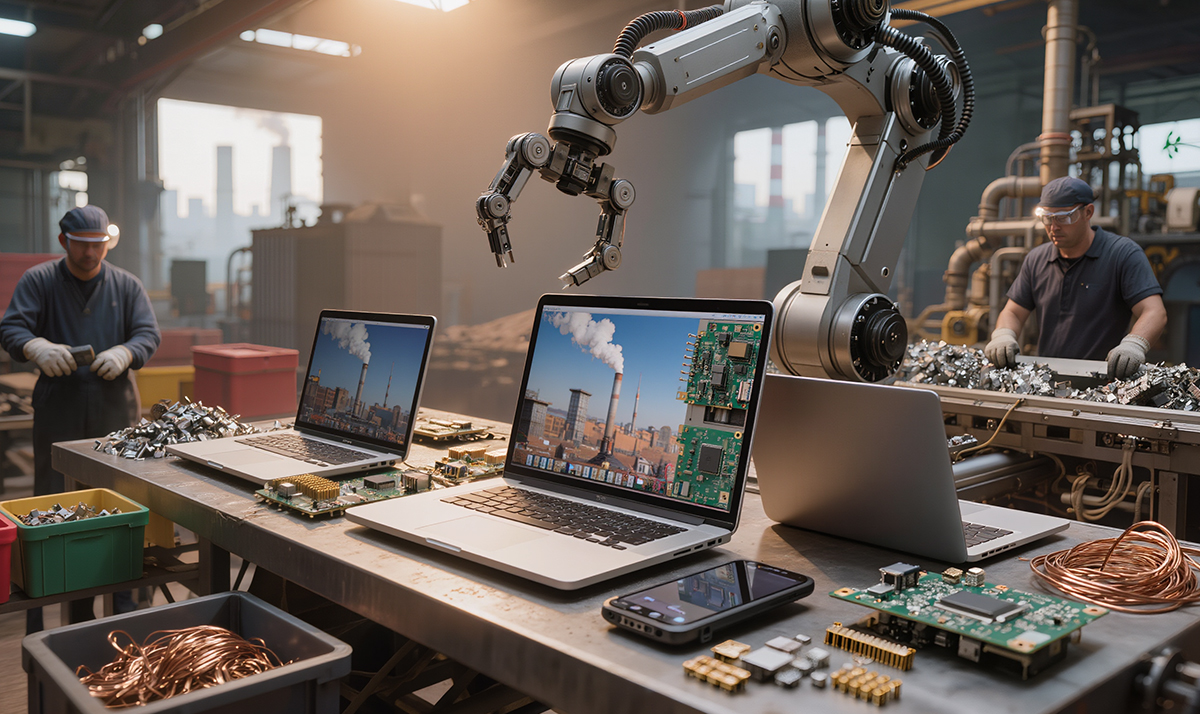
Recovering value from electronic waste is more than simply collecting old discarded devices. Effective electronics recycling involves collection, careful sorting, thorough dismantling and proper refurbishment of electronic waste. Each component in waste needs its own handling process and poor handling can cause the loss of valuable materials. This also means that recycling should not always be the first step. If an electronic product or component can be refurbished and reused by extending its useful life, it can preserve more of the value that's already embedded in it. Once reusing the product is not a viable option, responsible recycling can help recover the remaining materials.
The goal should be clear: retain the highest value as possible at every step of the product's life.
Blue Planet: Recovering More Value from E-Waste
Recovering materials from e?waste can play a vital role in strengthening resource security. Every device that is refurbished, reused or responsibly recycled contains materials that can remain in circulation rather than being lost. At Blue Planet this principle guides our approach to e?waste management through recovery, reuse and responsible processing.
Through Blue Planet E?Waste Solutions, electronic products are examined based on their condition and recovery potential. The capabilities cover refurbishment, upcycling, recycling, precious metal recovery, secure data destruction and comprehensive asset traceability. Where equipment can still serve a purpose, refurbishment can extend its life. If it can no longer be reused, component recovery and materials can be redirected back into productive use. This keeps the value retained embedded in the products and creates an extra source of secondary raw materials. The future of e?waste management therefore should not be measured by the quantity of waste collected. But it should also be measured by how effectively the materials within that waste can be recovered and kept in circulation.
The race for critical materials is compelling to reconsider where resources come from. These materials are not just found in mines, many are already embedded in the electronics we use and discard every day. Recovering these materials through e-waste recycling and urban mining can turn a growing pile of waste into a valuable supply of secondary raw materials. This makes electronics recycling more important for resource security. By extending the product life where possible and recovering materials can reduce material loss, strengthen supply chains and keep resources circulating in the economy when a product can no longer be reused.
The opportunity is clear: the next generation of resource security will not rely on what we extract but also on what we recover from electronic waste.
 Food Waste
 Livestock Waste Solutions
 Agri Waste
 Waste To Energy Solutions
 Plastic Waste Solutions
 MSW Solutions
 Legacy Waste Solutions
 E-Waste Solutions
 Industrial Waste Management Solutions
 Hazardous Waste Solutions
 Restoration & Recovery Solutions
 Education & Awareness Solutions