Waste is local. The opportunity to build value is global.
Every market produces waste but no two markets can operate under the same conditions. Regulations, composition of waste, infrastructure, customer requirements, waste treatment capacity and the economics of recyclable materials are different across regions. For companies aiming to grow a waste business this presents a core challenge: how can they scale like an international platform while still keeping the local knowledge that drives commercial success?
The answer is not to copy the same model everywhere. It is about building a shared foundation of technology, expertise, operating standards and systems to adapt the execution to accept the realities of each market. This balance of scale and local execution is becoming more crucial as waste management evolves beyond simple disposal services into a sector focused on infrastructure and recovering resources.
The Scale of the Opportunity Lies in Market Diversity
The need for waste infrastructure is global, however the nature of that demand varies a lot from one economy to another. According to the World Bank, the world produced about 2.56 billion tonnes of municipal solid waste in 2022; if nothing changes this figure is expected to grow to 3.86 billion tonnes by 2050. Emerging economies are facing a rise in urban waste volumes and gaps, in their waste infrastructure. In contrast developed markets are paying attention to resource recovery, recycling efficiency and building more advanced treatment systems.
In the case of an international waste management company, such diversity poses both complexity and opportunities. Entering into a new geographic market cannot be achieved by merely replicating the same facility or offering the same range of services. Companies must consider the regulations, collection systems, waste streams, customer needs, downstream markets and the infrastructure. The ability to assess these factors becomes vital for companies to have a competitive advantage in global waste management.
Building Capabilities That Can Travel Across Markets
While the market conditions differ this shows that some capabilities can be standardised and strengthened by virtue of being on an international scale. Technology platforms, environmental and safety standards, data systems, quality controls, project management frameworks and performance measurement all help build an operating foundation, across geographies.
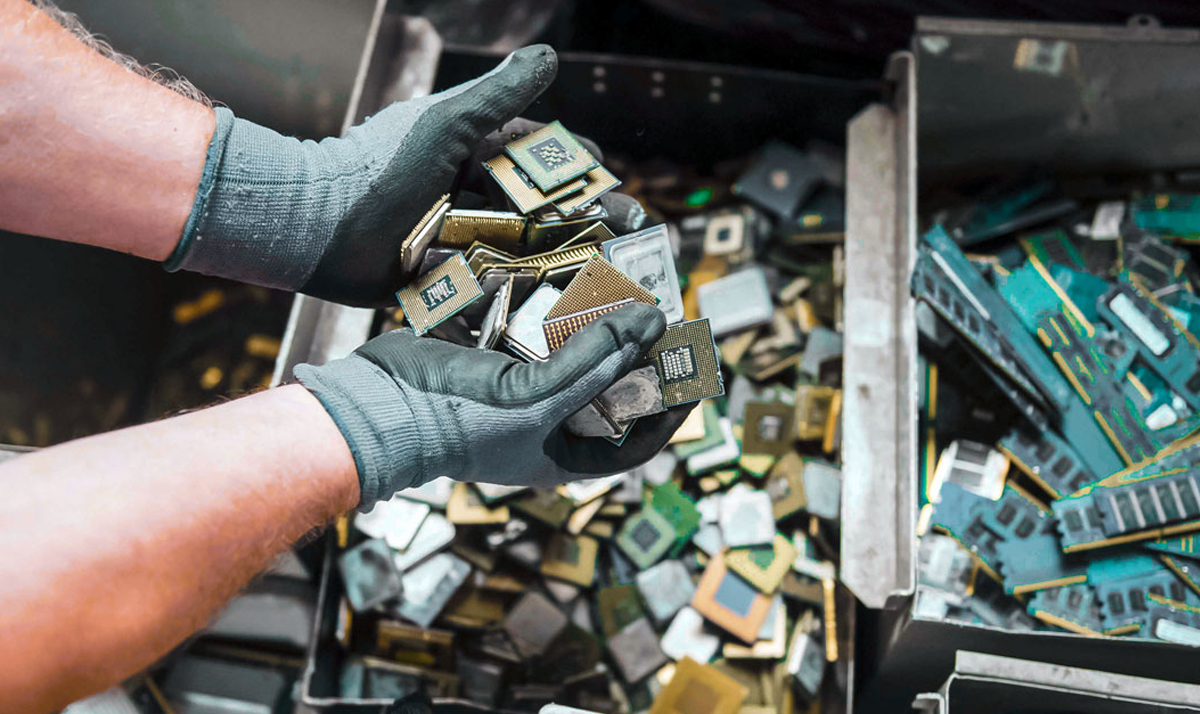
This creates an advantage that goes beyond keeping operations consistent. Experience gained in one market can strengthen the decision making, in another. A company that has gained expertise in landfill remediation, resource recovery or electronic waste processing can use that same understanding in new markets, by adapting the technology, commercial structure and execution model to local conditions. Over time this creates an organisational knowledge base that becomes progressively harder for smaller, market specific organisations to emulate.
Standardisation improves scalability without needing operations. Standardisation aims to build a method for identifying opportunities, deploying capabilities and measuring outcomes while also allowing enough flexibility for local execution.
Local Conditions Determine Commercial Viability
The challenge is that local market conditions cannot be standardised. Regulations, permitting requirements, waste classifications, customer expectations and infrastructure differ significantly between countries. First we should examine the economics of collecting, transporting, processing and the markets for materials. A viable solution, in a market that already has recycling infrastructure may need a different approach when collection systems or processing capacity are still developing.
This makes local capability a key part of any scalable waste management operations model. Partnerships, local teams, knowledge of regulations and an understanding of customer behaviour can decide whether a proven solution that works well elsewhere will succeed in a new geography. Municipalities often prioritise collection and aim to divert waste from landfills. Industrial customers on the other hand tend to focus on compliance, resource recovery, traceability and long?term cost efficiency.
For businesses operating in the environmental services market the opportunity goes beyond individual environmental services. Developing integrated solutions that fit local needs can strengthen customer relationships and open up opportunities, across stages of the waste and resource lifecycle.
Scaling Globally Through Local Execution
An international waste management business must find a balance between shared abilities and local knowledge. In countries like India, Singapore, Malaysia, New Zealand and the United Kingdom the business deals with differences in regulations, infrastructure and commercial requirements. These differences require operating models in demand. Technology, rules and skills can be shared in different markets but the execution must reflect local conditions.
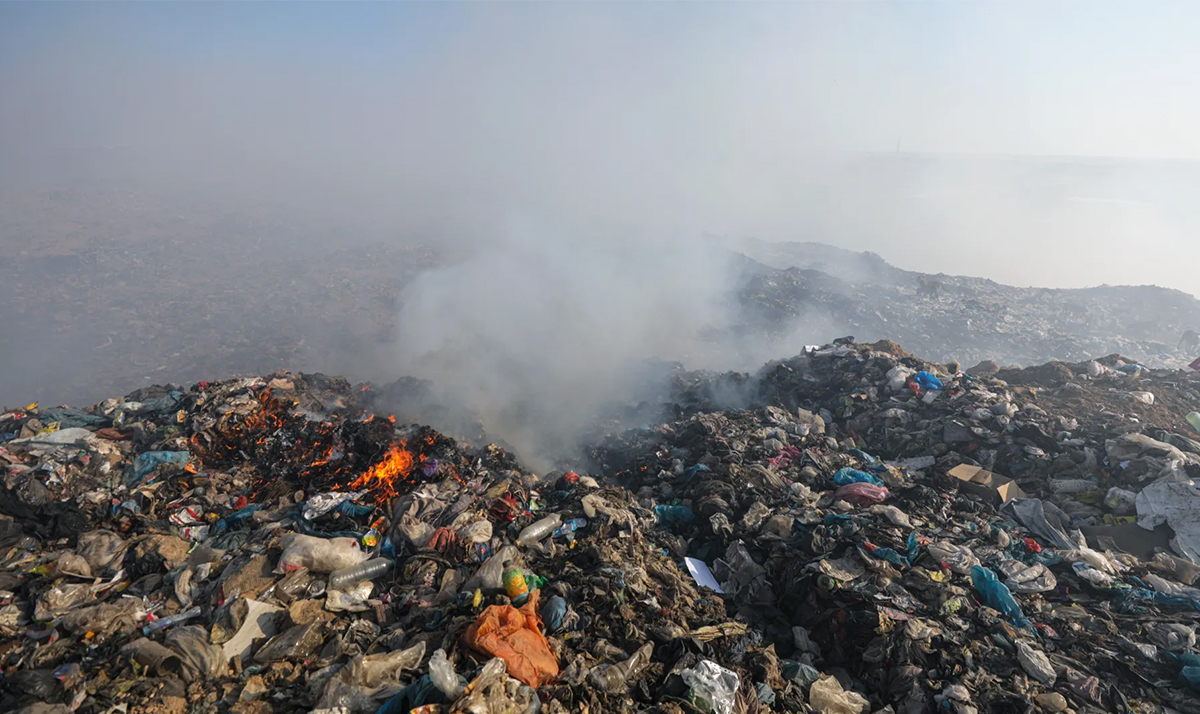
This approach is clear in Blue Planet’s work on the Perungudi landfill, in Chennai carried out by Zigma Environmental Solutions. The project has involved processing more than 16 lakh tonnes of legacy waste across 95 acres showing the technical and operational expertise for large scale remediation.
Projects, like Perungudi, can create value that goes beyond individual contracts, they strengthen execution capabilities and generate experience that can be used in similar opportunities. This makes local project expertise boost operational strength and help support growth in international markets.
From Waste Services to Scalable Infrastructure
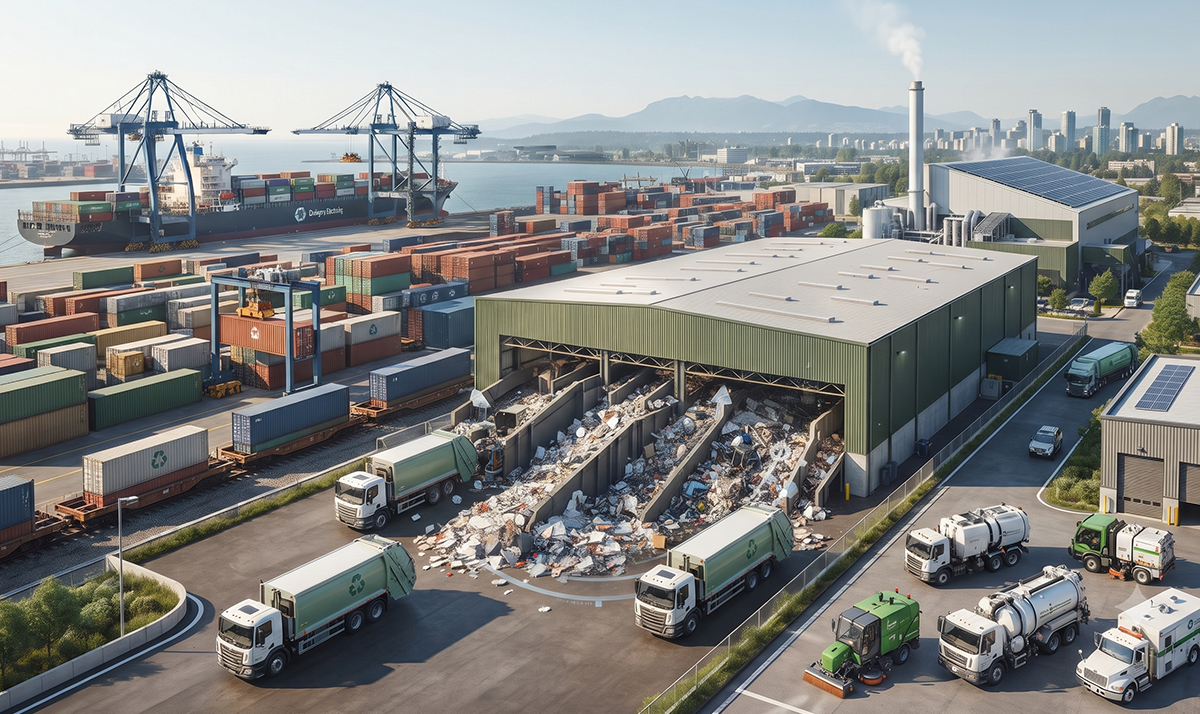
The long-term opportunity goes beyond geographical expansion. It lies in the opportunity to develop infrastructure platforms that can serve waste streams, customer segments and many markets while keeping consistent operational standards.
International scale can help businesses share technology, expertise and operational knowledge across countries. It can also support diversification and expansion into markets and service lines including resource recovery, recycling, landfill remediation and energy recovery. For companies that have the capabilities these interconnected services can create multiple avenues, for growth while responding to evolving infrastructure requirements.
As cities grow and industries face pressure to use resources more efficiently investing in waste infrastructure becomes even more important. Businesses that combine operational expertise, local market knowledge and scalable abilities will be, in a better position to address this demand.
Building a global waste business is not only, about entering new countries. It requires an understanding of which skills can be standardised, which decisions must remain local and how these two aspects together can contribute to commercially profitable operations.
The strongest global waste management businesses combine the consistency of an international platform with the quick response of a local operator. Shared technology, systems and expertise provide the base for growth while local knowledge decides how effectively the capabilities are deployed.
As waste becomes an important part of our infrastructure and the security of resources the opportunity goes beyond simply handling discarded materials. The opportunity lies in building systems that recover value from resources meet changing market needs and support long?term business growth. Companies that combine worldwide reach with action will be better positioned to scale their impact and compete in an increasingly interconnected environmental services industry.
 Food Waste
 Livestock Waste Solutions
 Agri Waste
 Waste To Energy Solutions
 Plastic Waste Solutions
 MSW Solutions
 Legacy Waste Solutions
 E-Waste Solutions
 Industrial Waste Management Solutions
 Hazardous Waste Solutions
 Restoration & Recovery Solutions
 Education & Awareness Solutions