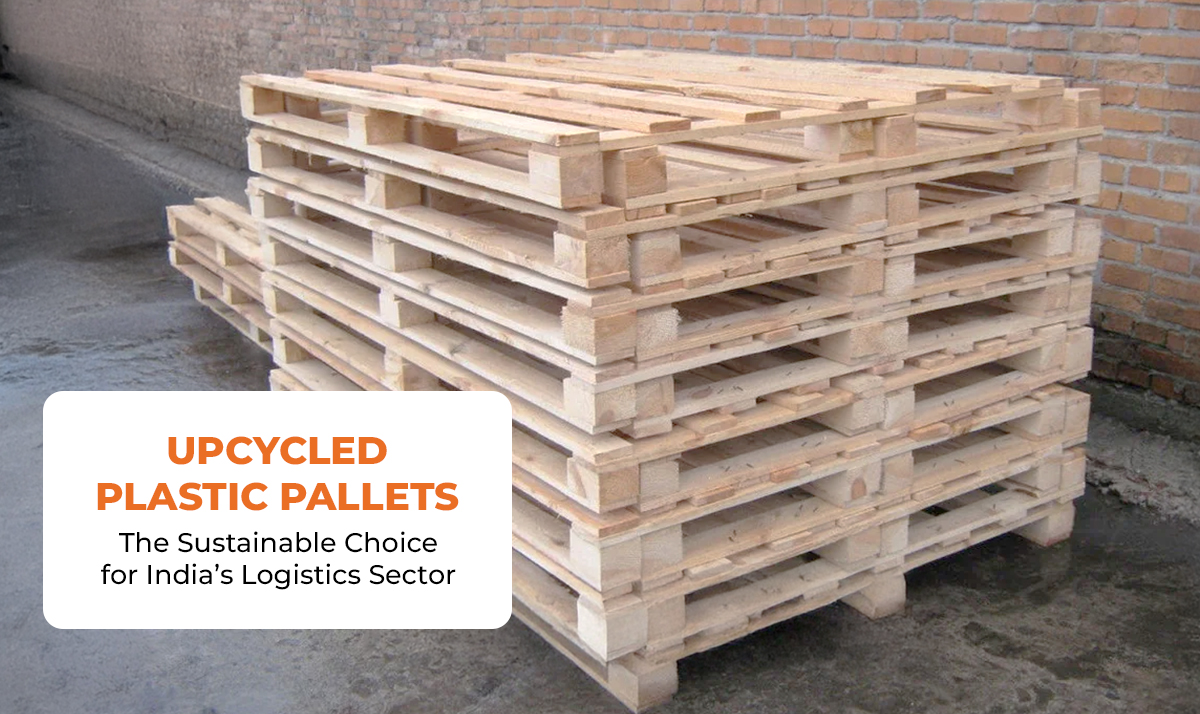
India’s logistics and warehousing landscape is undergoing a rapid transformation. The rapid expansion of e-commerce, the establishment of cold chains in the food and pharmaceutical sectors and the adoption of stricter environmental regulations regarding plastic and packaging are compelling the supply-chain masters to re-evaluate the movement and storage of goods. A shift that is already being adopted and has a huge impact on the economy is gaining momentum in the transition from using single-use wood pallets and low-grade platforms to using engineered upcycled plastic pallets, which are manufactured from recycled plastic waste that meets the standards for industrial loads, hygiene, and export, while closing loops of material. This transition is not only “greener” but also a commercially smart and compliance-friendly choice for fast-moving consumer goods (FMCG), logistics operators, large warehouses and even hotels managing their back-of-house supply flows.
Why India needs upcycled plastic pallets now: market and waste realities
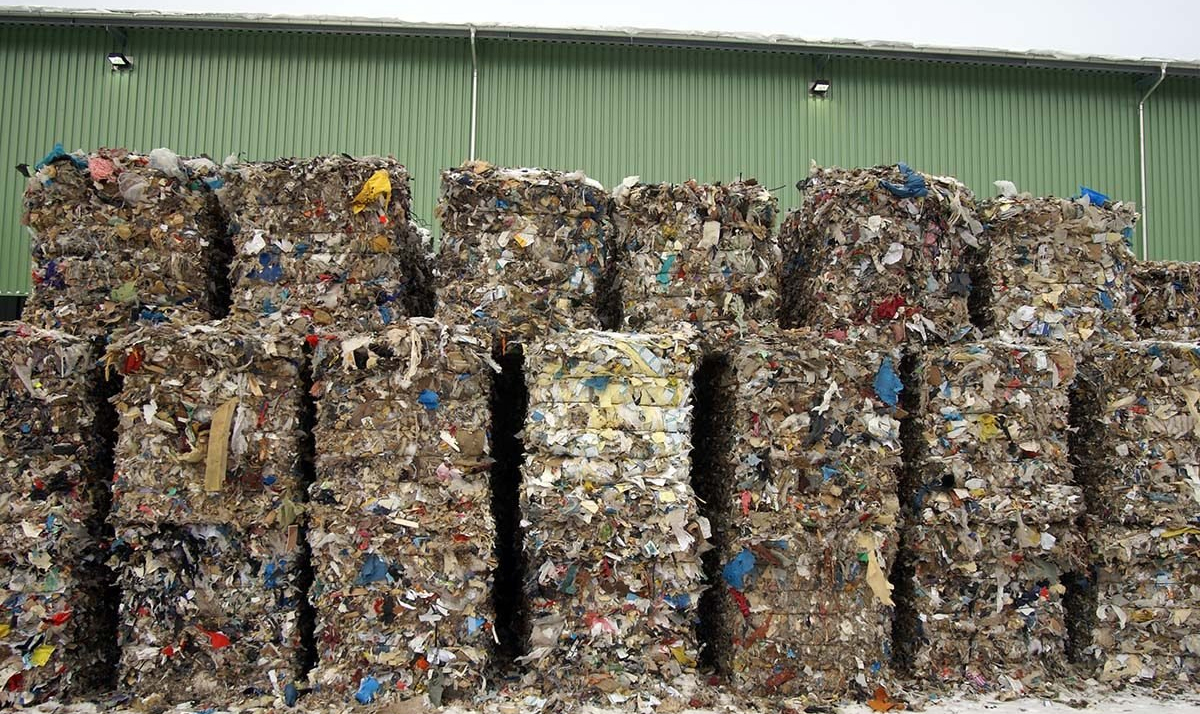
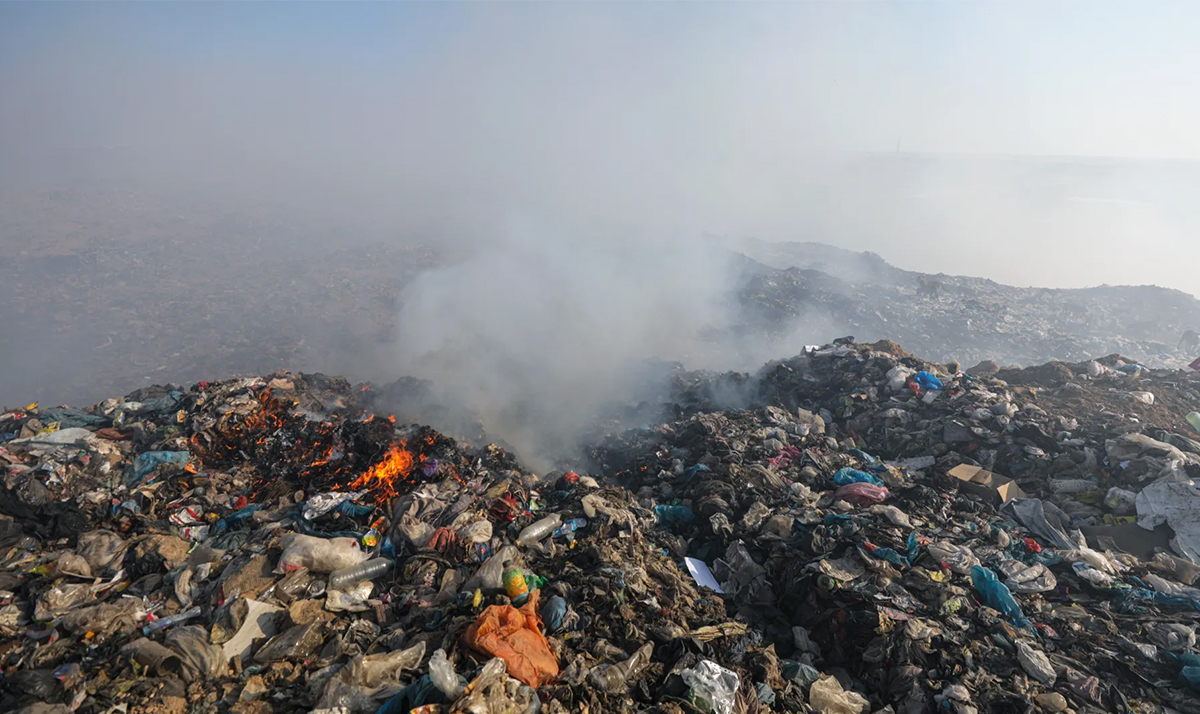
India's annual plastic waste generation amounts to millions of tonnes and the governments, along with the brands, are facing enormous pressure to comply with the Extended Producer Responsibility (EPR) targets and to reduce the single-use plastic leakage. The Central Pollution Control Board has plotted the flows of the plastic packaging waste and EPR activity costs in millions of tonnes. During the year 2022–23, registered producers have accounted for more than three million tonnes of EPR obligations, whereas processors reported certificates for approximately 2.5 million tonnes of processed packaging waste. Demand for reliable pallet solutions is simultaneously rising: market research indicates that the Indian pallet market is developing strongly with double-digit growth expectations in the latest forecasts and the domestic plastic pallet segment alone is estimated to be worth several hundred million dollars in 2024. Thus, transforming post-consumer and industrial plastics into upcycled pallets tackles two urgent issues effectively, preventing the material from going to the landfill and the provision of durable handling equipment for the rapidly modernized supply chain.
Operational and cost advantages that win over procurement teams
The decision made by procurement and warehouse managers to shift to upcycled plastic pallets is based on operational reasons rather than emotional ones. The plastic pallets manufactured from recycled polyethylene and polypropylene present predictable load ratings and possess extensive long service lives and far lower maintenance than typical wooden platforms, which tend to split, get rusty, or require treatment. Due to the non-hosting of wood pests in the plastic pallets, they become subject to ISPM-15 phytosanitary treatment rules that are applicable to solid timber packaging used in international trade, and thus, export compliance complexity is removed for companies engaged in cross-border shipping. The extra cost of a quality upcycled plastic pallet is often compensated by lowered costs of replacement, repair, and product damage, along with quicker material handling, and lower contamination risk in sensitive categories such as FMCG and packaged foods, during a typical multi-year lifecycle. The typical comparisons also show that the plastic pallets are lighter, which can, in some flows, lead to a reduction in handling energy as well as shipping costs. These operational advantages, coupled with predictable recyclability at end-of-life, are the reasons why many top warehouses and FMCG distribution centres are opting for plastic substitutes.
The environmental impact and circular-economy credentials of upcycling
Upcycling plastic into pallets maintains the industrial loop with material value instead of down-cycling into low-value applications or, even worse, landfilling or polluting the environment with plastic. Manufacturing structural pallets from collected post-consumer and post-industrial polymer reduces the need for virgin resin, therefore lowering greenhouse gas intensity compared to virgin production and giving companies a practical way to illustrate circular-material pathways under EPR and sustainability reporting. A closed loop appears when upcycled pallet producers consider disassembly and re-recycling, which means a chain of events: worn pallets are recollected, reprocessed and remanufactured into new pallets or other durable products, thereby creating local recycling demand, new jobs in processing and stronger traceability for corporate ESG disclosures. In light of India's plastic management policy and recycled content market incentives, upcycled pallets are one of the most practical circular interventions that logistics teams can adopt and implement today.
Adoption across B2B sectors — FMCG, logistics operators and hotels
Fast-moving consumer Goods (FMCG) companies, third-party logistics and large hospitality chains all share an imperative necessity of clean, reliable, and standardized handling equipment. Food-safe pallets that resist contamination and minimize product damage have been very helpful to the FMCG distribution centres, as goods constantly move through the already packed retail networks. The logistics operators benefit from the reduced turnaround time and the lower maintenance burden. Hotels and large hospitality groups, which consume packaged goods at a high rate and often convert retail space into micro-warehouses, are able to utilize the pallets that are hygienic, easy to clean, and splinter-free. Several Indian suppliers and solution providers have already documented pilot switches where switching to plastic or recycled-content pallets delivered measurable reductions in damage and lifecycle cost; those early adopters are now migrating to full rollout across their networks. As procurement managers in B2B categories increasingly include recycled content and circularity in RFPs, upcycled plastic pallets move from niche pick to mainstream specification.
Upcycled plastic pallets represent a rare win-win in modern supply chains; they not only convert the pressure of policies and the commitments of sustainability into everyday tangible improvements in operations but also make the whole process eco-friendly. In the Indian market, for B2B buyers in the FMCG, logistics and hospitality sectors, to see the advantages of using upcycled plastic pallets; in fact, the advantages are quite measurable: lower frequency of replacements, cleanliness in handling, compliance with export rules and a well-defined circular path for plastic waste. As the Indian market for pallets keeps on expanding and at the same time the plastic waste processing infrastructure keeps on improving, the upcycled pallets will be gaining more and more importance in the provision of sustainable solutions for logistics that are economically viable and environmentally responsible. For the supply chain experts that are trying to achieve a balance between cost, compliance and climate goals, the pallet beneath the pallet might soon be as significant as the cargo it carries.
 Food Waste
 Livestock Waste Solutions
 Agri Waste
 Waste To Energy Solutions
 Plastic Waste Solutions
 MSW Solutions
 Legacy Waste Solutions
 E-Waste Solutions
 Industrial Waste Management Solutions
 Hazardous Waste Solutions
 Restoration & Recovery Solutions
 Education & Awareness Solutions