.jpg)
India’s sustainability landscape is undergoing a significant transformation as enterprises are reevaluating their energy consumption, waste management and planning for long-term resilience. That is why the ESG (Environmental, Social and Governance) India frameworks are becoming prerequisites for business assessments, and companies are aware that sustainability is no longer an option but is essential for both competitiveness and credibility. In this evolving environment, the whole biofuel adoption in India has emerged as a key solution to bridge the gap between environmental responsibility and operational efficiency.
Businesses are increasingly turning to bio-CNG, biodiesel and other renewable sources derived from organic waste streams, instead of relying solely on conventional fossil fuels. This shift demonstrates a deeper understanding that clean energy is not just an environmental goal but also a strategic investment that enhances the enterprise's efficiency, ensures compliance and builds trust with the stakeholders. As organisations seek innovative ways to reduce their carbon footprints, biofuels are helping in the transition toward cleaner, more circular and more accountable business models.
The Push Toward Low-Carbon Operations in Indian Industry
Indian enterprises are adopting biofuels at a pivotal moment when regulatory expectations, investor scrutiny, and consumer awareness of ESG considerations in India are on the rise. As industries deal with the pressure to decarbonise, biofuel use in India offers a practical option to reduce Scope 1 and Scope 2 emissions. Many manufacturing sites, logistics networks, and processing plants are now substituting fossil fuel-based heating oils and diesel with bio-CNG, biodiesel, and fuels derived from ethanol. This change is in close proximity to renewable energy ESG priorities, thus making it possible for companies to claim visible increments in carbon intensity and energy efficiency. The sustainability story is now going from a compliance issue to a matter of competitive advantage, and biofuels are taking a central role in this transition.
Turning Waste Into Energy: A Circular Approach to Sustainability
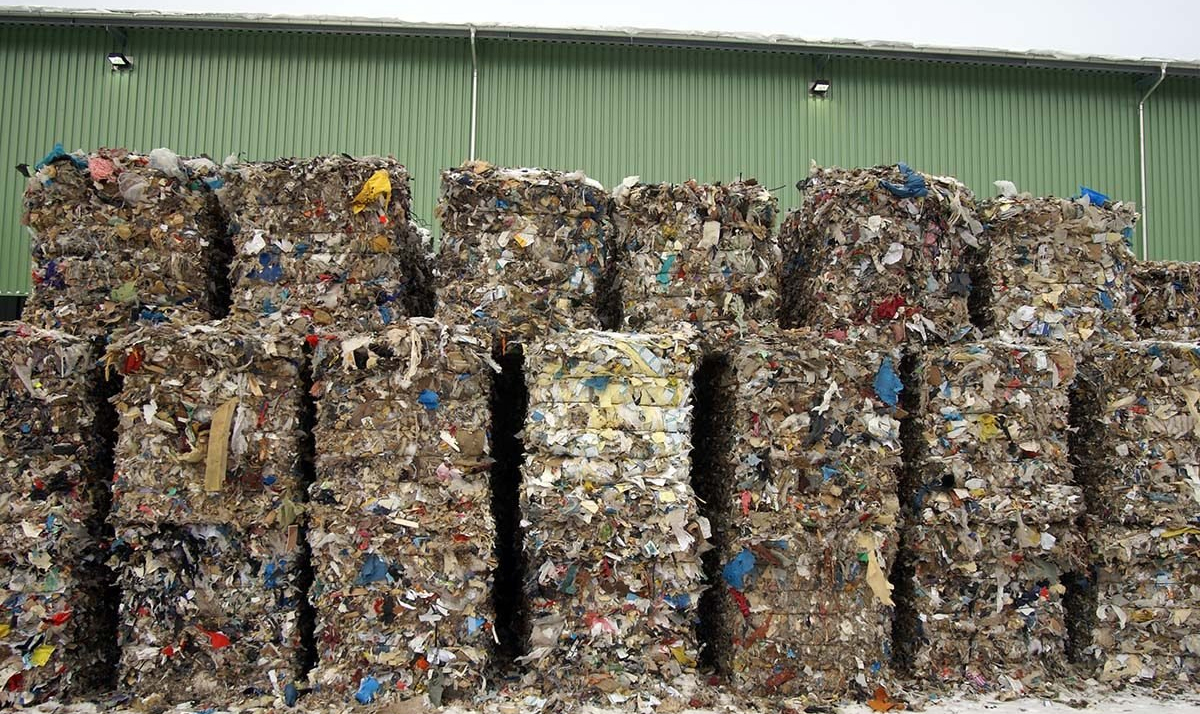
One of the most compelling aspects of biofuel adoption lies in its circular economy benefits. Businesses that generate significant organic waste, such as food processing units, FMCG companies, hospitality chains, and agro-industries, are increasingly converting waste into bio-CNG or biogas. This practice not only reduces the burden of landfills but also establishes a closed loop where waste is turned into an internal energy source. India's corporate sustainability is powerfully impacted by such circular practices by lowering waste management costs, minimising methane emissions and supplying cleaner fuel for internal operations or partner networks. With the adoption of integrated waste-to-energy systems, companies gain the advantages of both environmental resource management and operational resilience.
Enhancing ESG Reporting and Investor Confidence
In a global economy where ESG disclosures influence market valuation and investor trust, Indian companies are utilizing biofuels to improve their transparency and impact metrics. The switch to renewable fuels helps businesses to demonstrate their commitment across all three ESG pillars. Environmentally, this shift reduces greenhouse gas emissions and decreases reliance on fossil fuels. Socially, it supports rural economies by sourcing raw materials from agricultural waste and creating green jobs. Besides, companies are strengthening their governance by showing through their investments in renewable energy ESG initiatives that they have strong risk management and forward-looking strategies. This alignment with global sustainability frameworks bolsters their credibility with regulators, investors and international partners.
Driving Long-Term Corporate Sustainability Through Innovation
Biofuel integration is not just an environmental aspect; it is a long-term strategic investment. Companies that adopt biofuel-based systems benefit from enhanced energy security, lower operational volatility and a fixed cost structure as compared to traditional fossil fuels. Many companies are collaborating with technology providers, waste aggregators and renewable energy firms to accelerate innovation. These partnerships foster scalable solutions that support sustainable business in India and contribute to the country’s broader energy transition goals. As industries expand their renewable initiatives, biofuels are becoming a crucial element of corporate sustainability strategies that prioritize resilience and responsibility.
The increasing integration of biofuel systems across Indian industries indicates a significant shift towards a more responsible and future-ready corporate landscape. Businesses that once traditionally regarded sustainability as a compliance are now embracing renewable energy ESG strategies as drivers of innovation, cost stability, and operational resilience. By converting organic waste into biofuels, enterprises reduce greenhouse gas emissions, alleviate pressure on landfills and create value from the resources that previously had no economic purpose. This shift enhances transparency in ESG reporting, bolsters investor confidence and aligns businesses with the national climate commitments and global sustainability standards. For many businesses, the switch towards biofuels is becoming a foundation of broader net-zero ambitions and circular economy practices that will shape India’s industrial growth in the coming decades. As more businesses recognise the financial, environmental and societal benefits of these transitions, biofuel adoption will continue to influence a cleaner and more sustainable corporate future for the country.
 Food Waste
 Livestock Waste Solutions
 Agri Waste
 Waste To Energy Solutions
 Plastic Waste Solutions
 MSW Solutions
 Legacy Waste Solutions
 E-Waste Solutions
 Industrial Waste Management Solutions
 Hazardous Waste Solutions
 Restoration & Recovery Solutions
 Education & Awareness Solutions