Saudi Arabia is stepping into a new chapter of environmental progress as part of Vision 2030. Along with major investments in clean energy and economic expansion, the Kingdom is addressing a long-standing challenge that affects public health, land use and natural ecosystems. This challenge is legacy waste. Rapid urbanisation and continuous industrial growth have made traditional landfill practices unsustainable. Vision 2030 waste management places strong importance on recycling systems, circular economy approaches and responsible waste treatment, which has led to major initiatives across the country. With advanced landfill remediation, bioremediation methods and engineered resource recovery, Saudi Arabia is restoring polluted land, reducing environmental risks and building a circular future that aligns with global sustainability goals.
Growing Pressure on Existing Waste Systems
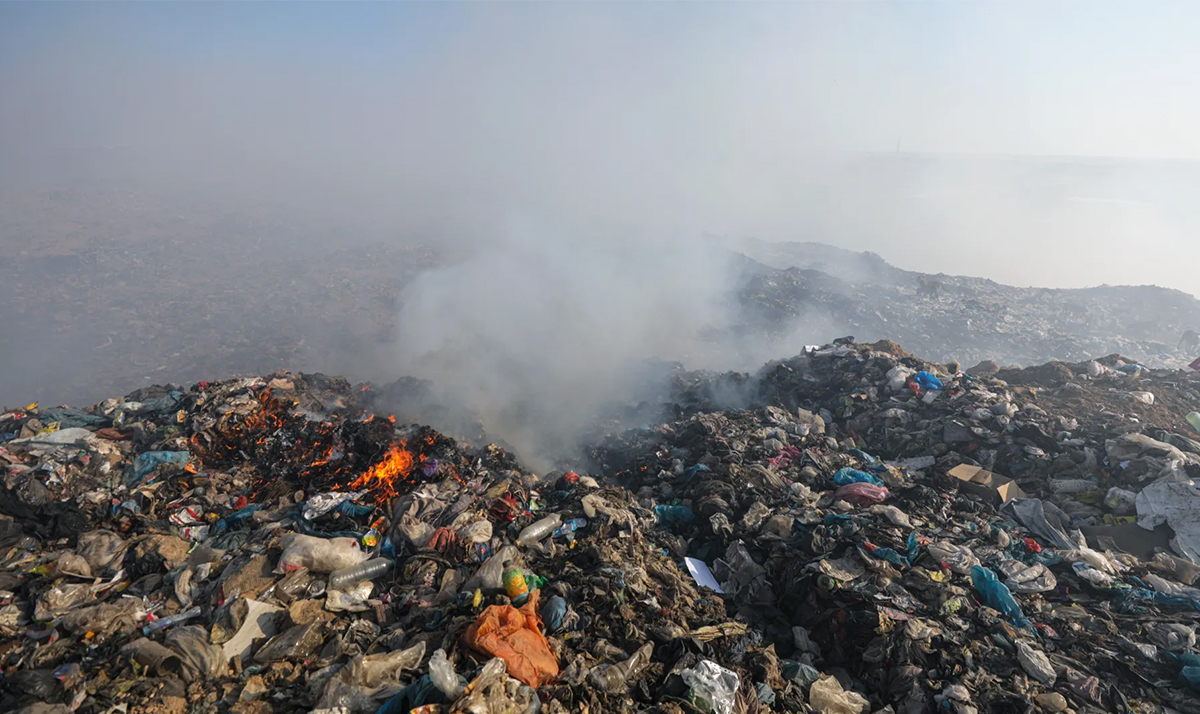
Saudi Arabia generates a very high volume of waste each year, with major contributions from cities like Riyadh, Jeddah and Dammam. Environmental degradation linked to outdated disposal methods has been valued at roughly USD 1.3 billion, highlighting the urgency for modern solutions. Many landfill sites are nearing maximum capacity and lack adequate environmental protection systems. This increases the danger of polluted groundwater, contaminated soil and degraded air quality.
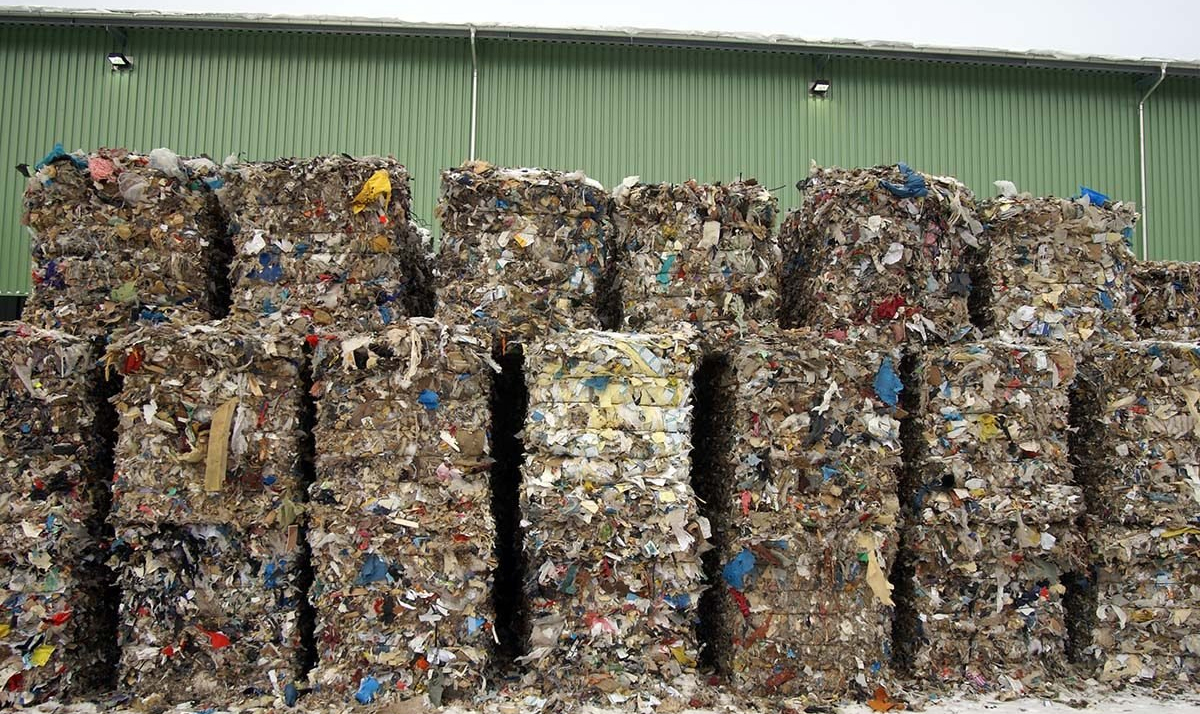
Simply burying mixed waste is no longer an option, as it wastes valuable materials and creates long-term environmental liabilities. Urban populations continue to grow, and waste is increasing at a pace that current infrastructure cannot safely manage. This creates a clear need for new technologies that support sustainable waste processing and land rehabilitation.
A Shift Toward Circular and Responsible Waste Solution
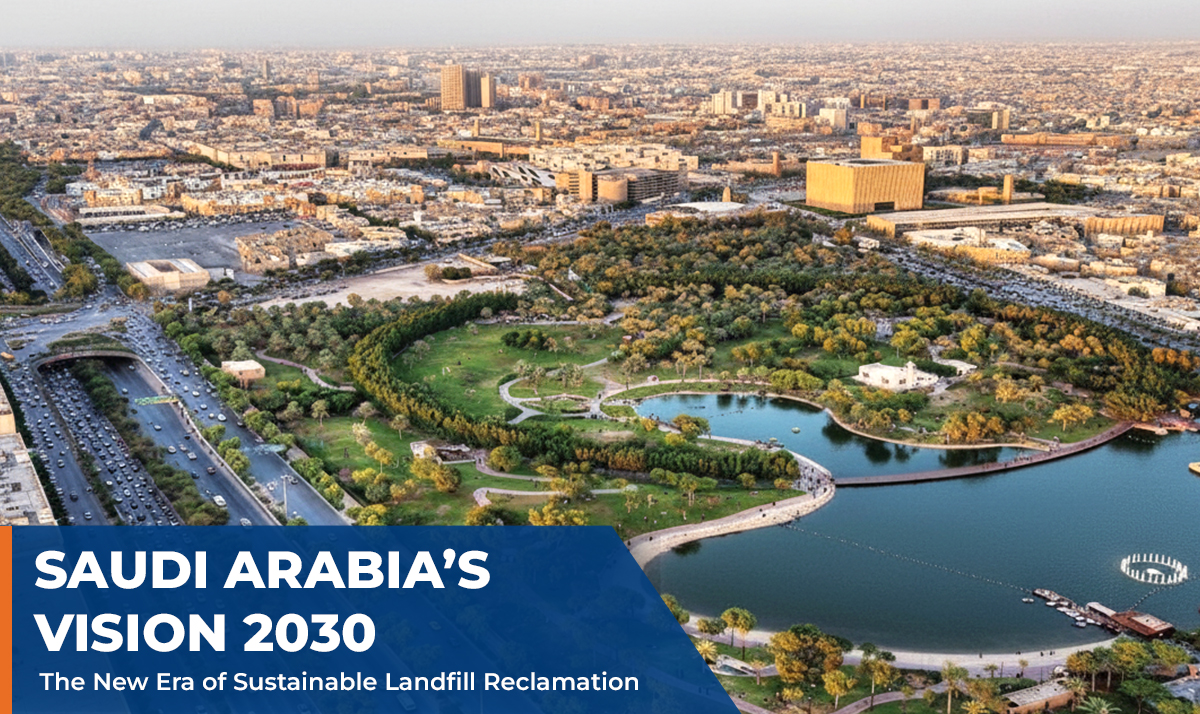
Landfill restoration has emerged as an essential pillar of Saudi Arabia’s new waste framework. Instead of treating landfills as permanent disposal zones, the Kingdom is exploring methods that recover resources and bring damaged land back into safe and productive use. Landfill remediation removes contaminants, bioremediation treats and stabilises pollution, and engineered recovery systems extract materials and energy that would otherwise be lost. These approaches not only protect the environment but also create long-term economic value by turning former landfill areas into usable assets for agriculture, development or green spaces.
Support from Vision 2030 and National Environmental Programs
Vision 2030 outlines a comprehensive and long-term approach to environmental improvement. More than eighty programs have been developed to support sustainability, waste reduction and land protection across the Kingdom. The Saudi Green Initiative is one of the central drivers of this effort and aims to restore large areas of degraded land, expand conservation zones and protect biodiversity. The initiative includes a target to rehabilitate more than seventy-four million hectares of land through afforestation and restoration activities.
Saudi Arabia has also announced aggressive waste diversion targets for 2035, focusing on recycling, composting, waste-to-energy projects and environmentally responsible landfill restoration. These goals encourage stronger public and private sector collaboration and create opportunities for innovation and investment in waste technologies.
Environmental and Economic Benefits for the Kingdom
The shift from disposal-based systems to circular waste management brings a wide range of benefits. Landfill remediation helps minimise risks to groundwater, improves soil conditions and reduces harmful emissions. Material recovery supports recycling industries, while waste-to-energy technologies contribute to clean power generation. This transition also creates new jobs in environmental services, engineering, recycling, monitoring and restoration. As contaminated land is cleaned and restored, it can be used for agriculture, development projects or community infrastructure. This adds value to land that was previously unusable and supports national goals for resource efficiency and economic diversification.
Saudi Arabia’s Vision 2030 waste management strategy represents a major step toward a circular, resilient and environmentally conscious future. Through landfill restoration, bioremediation and resource recovery, the Kingdom is moving away from outdated landfilling practices and building a system that protects land, conserves resources and unlocks significant economic opportunities. This transformation is guided by strong national policy and a growing partnership between government and industry. It signals a future where legacy waste becomes a source of value and where restored land contributes to a healthier, cleaner and more sustainable Saudi Arabia.
 Food Waste
 Livestock Waste Solutions
 Agri Waste
 Waste To Energy Solutions
 Plastic Waste Solutions
 MSW Solutions
 Legacy Waste Solutions
 E-Waste Solutions
 Industrial Waste Management Solutions
 Hazardous Waste Solutions
 Restoration & Recovery Solutions
 Education & Awareness Solutions