.jpg)
Southeast Asia grapples with rapid urbanization and economic development, resulting in a substantial increase in waste generation in cities, rural communities and industrial sectors. The effective management of organic waste has become a critical challenge. Food waste, agricultural residues and biomass make up the majority of waste streams in many ASEAN countries; a significant portion of this waste still ends up in overflowing landfills or unmanaged dumpsites. Traditional waste disposal methods often fall short as they lead to environmental degradation and cause public health problems. In this scenario, the modern biogas digesters appear to be a promising solution, transforming organic waste into clean energy while simultaneously helping to alleviate the concerns of waste management.
As governments and industries seek more sustainable pathways for waste management solutions, the modern biogas digester solutions are emerging as practical, scalable and environmentally responsible. The biogas digester's ability to transform waste into clean energy and nutrient-rich byproducts is reshaping the region’s sustainability landscape and supporting the evolution to a renewable, circular economy.
Organic Waste Challenges in Southeast Asia
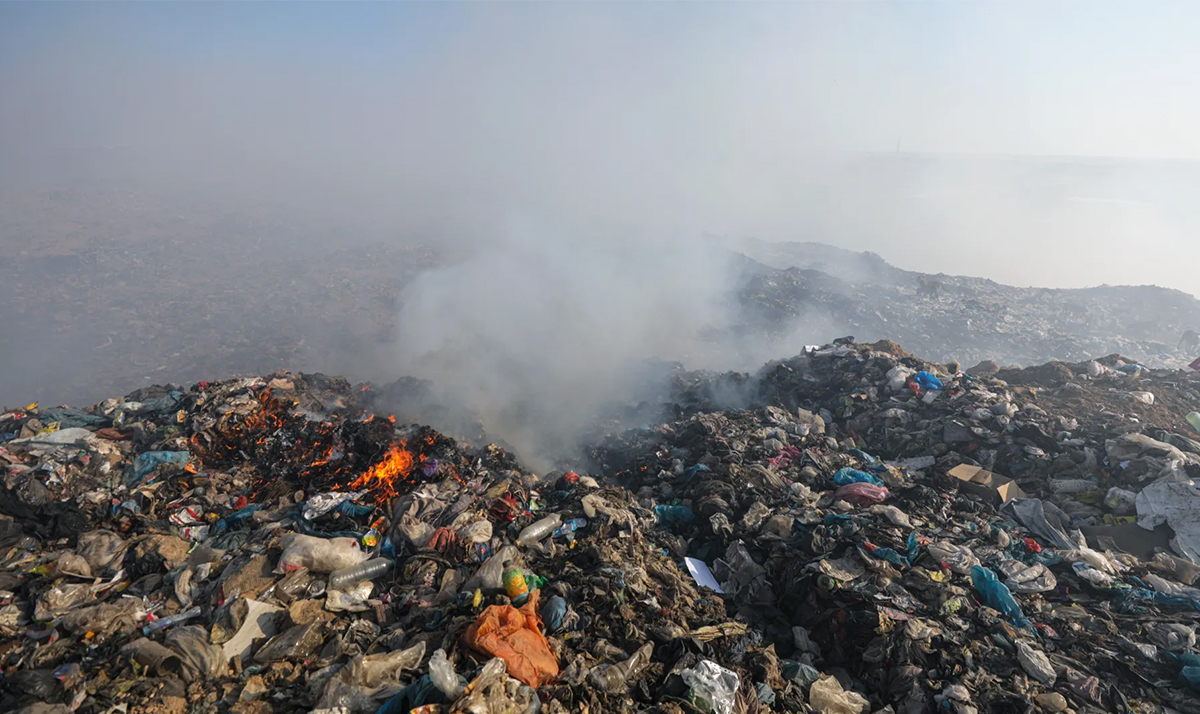
The management of organic waste in SE Asia remains a pressing challenge, with many cities having to rely on outdated or insufficient waste disposal systems. In some countries where the use of open dumping and burning is still prevalent, people and the environment are at great risk. Besides, these inadequate systems are responsible for letting large volumes of food and agricultural waste pile up in landfill sites, where the waste undergoes a slow and inefficient decomposition process. The environmental consequences are severe. Decomposition of organic waste emits methane, a greenhouse gas that is much more effective than carbon dioxide, intensifying climate change and also infiltrates the underground water and contaminates the atmosphere.
The economic effects of improper waste management extend far beyond environmental degradation. The countries lose valuable resources that could have been reclaimed or repurposed, while the public health issues due to pollution cause an increase in healthcare costs. The local governments face increasing financial burdens as the growing amount of waste entails expensive waste removal operations and landfill expansion. With these cumulative impacts affecting businesses, governments, and communities, the demand for sustainable waste disposal methods in SE Asia has never been more urgent.
Understanding Biogas Digesters: Technology and Functionality
Biogas digesters provide a technical solution that solves the problem of the growing waste crisis. These systems come in various configurations, like vertical, horizontal, and dome-shaped designs, each tailored to specific types of waste and space requirements. It doesn't matter whether it's installed in a rural household or a large industrial facility; the principle remains the same. Organic waste first enters the digester, which is an anaerobic digestion process done in an oxygen-free space. This process breaks down the waste and generates the biogas, composed primarily of methane. The resulting gas can later be utilized for cooking, heating, electricity generation, or upgrading to biomethane.
A biogas digester’s functioning relies on the coordination of components working together. The waste is introduced into the feed inlet, which is then directed to the digestion chamber that provides a controlled environment where microbial activity takes place. The gas outlet channels the biogas for immediate use or storage. Proper maintenance is the key to the smooth operation of the system, which prevents unpleasant odor and ensures maximum gas production. By understanding and managing these components, both communities and industries can maintain a consistent flow of renewable energy while reducing their environmental footprint.
Environmental and Economic Benefits of Modern Biogas Digesters
Modern biogas digesters SE Asia not only address waste management problems but also provide considerable environmental benefits. The significant reduction of methane emissions by diverting organic waste from landfills greatly supports and alleviates the climate commitments of ASEAN countries and the burden of overflowing landfills. The production of biogas generation also replaces fossil fuels with a cleaner and renewable alternative, thus adding to the benefits of the region’s renewable energy portfolio.
From an economic standpoint, biogas digesters provide significant benefits. They reduce the energy costs for households and the agricultural and industrial sectors while simultaneously providing job opportunities in the areas of construction, maintenance, and operation. Digesters not only generate energy but also produce a nutrient-rich substance known as digestate, which can be utilized as organic fertilizer. This not only improves the soil quality but also increases the output of crops and reduces the dependence on chemical fertilizers. The interconnected advantages reinforce biogas as a fundamental technology for the waste-to-energy ASEAN initiatives and contribute to the broader circular economy.
Case Studies: Successful Implementations in Southeast Asian Countries
Across the SE Asia region, many countries have demonstrated the effectiveness of biogas systems. In Indonesia, community-based biogas programs are transforming rural life. The waste from livestock and crops is being processed through small-scale digesters into clean cooking fuel, making energy more accessible to households and reducing environmental pollution. The grassroots projects demonstrate that local participation and partnership can bring about an enduring change in society.
Thailand has adopted biogas technology at the forefront of the industrial level, especially in the country's large farms and food processing facilities. By converting their organic by-products into energy, the businesses have not only reduced their operational costs but have also managed their environmental footprint, hence signalling the shift towards eco-friendly practices. The success of such initiatives reinforces the idea that sustainability and profitability can be achieved together and offers a model for other nations.
Vietnam’s advancement in biogas development is primarily driven by government initiatives and partnerships with international organizations. Financial support, training programs and awareness campaigns have helped farmers and small enterprises to adopt the biogas systems, amplifying environmental benefits throughout rural areas. These efforts emphasize the significance of cooperation among the government and companies, but also communities and global partners.
Policy Framework and Government Support for Biogas Initiatives
Southeast Asia is witnessing an increase in the number of policies promoting the development of biogas for sustainable waste solutions SE Asia. Thailand and Indonesia are two examples of countries that have included biogas in their respective national renewable energy strategies. Not only that, but these countries have also created supportive frameworks that simplify regulations and streamline permit processes. The government is offering grants, tax rebates, and low-interest loans to encourage private investments and assist small businesses in adopting biogas systems. Feed-in tariffs provide further incentives for energy production by allowing producers to sell surplus power, turning biogas projects into more profitable ventures.
International collaboration remains an advancing progress factor in the rapid development of the world. Global organizations and NGOs offer technical expertise, capacity building, and financial support to ensure the biogas projects are carried out in a manner that is effective and sustainable. The cooperation enables Southeast Asia to highlight its growing leadership in renewable waste-to-energy solutions.
Future Trends and Innovations in Biogas Technology
The future of waste-to-energy ASEAN systems is promising as the innovations in digester design continue to enhance both efficient and scalable solutions. The use of new materials, modular systems, and compact designs makes it possible to install digesters in high-density urban areas as well as in rural areas. Smart technology is becoming more integrated into biogas systems, and the use of sensors and digital tools makes it possible to monitor, optimise and carry out predictive maintenance of processes in real time.
These advancements support the growth of circular economy models in the region. As industries integrate the biogas systems into their operations, they are able to reintegrate the waste materials into production cycles; this not only reduces the environmental impact but also strengthens resource efficiency. This shift shows a powerful step towards sustainable waste solutions in SE Asia.
Southeast Asia stands on the verge of a transformative shift in how organic waste is managed. Modern biogas digesters provide practical and sustainable solutions that address environmental challenges while producing renewable energy and valuable inputs for agriculture. The region, with strong policy support, community involvement, and technological innovations as its driving forces, has the capacity to transform its waste conditions and reap large environmental and economic benefits.
The collaboration of governments, businesses, and communities in the promotion of waste-to-energy initiatives to achieve a cleaner and more resilient future becomes increasingly achievable. The adoption of biogas as a fundamental element in the sustainable waste solutions has enabled Southeast Asia to take decisive, bold moves towards a circular economy, where waste is treated as a resource and the progress aligns with the conservation of the environment and responsibility.
 Food Waste
 Livestock Waste Solutions
 Agri Waste
 Waste To Energy Solutions
 Plastic Waste Solutions
 MSW Solutions
 Legacy Waste Solutions
 E-Waste Solutions
 Industrial Waste Management Solutions
 Hazardous Waste Solutions
 Restoration & Recovery Solutions
 Education & Awareness Solutions