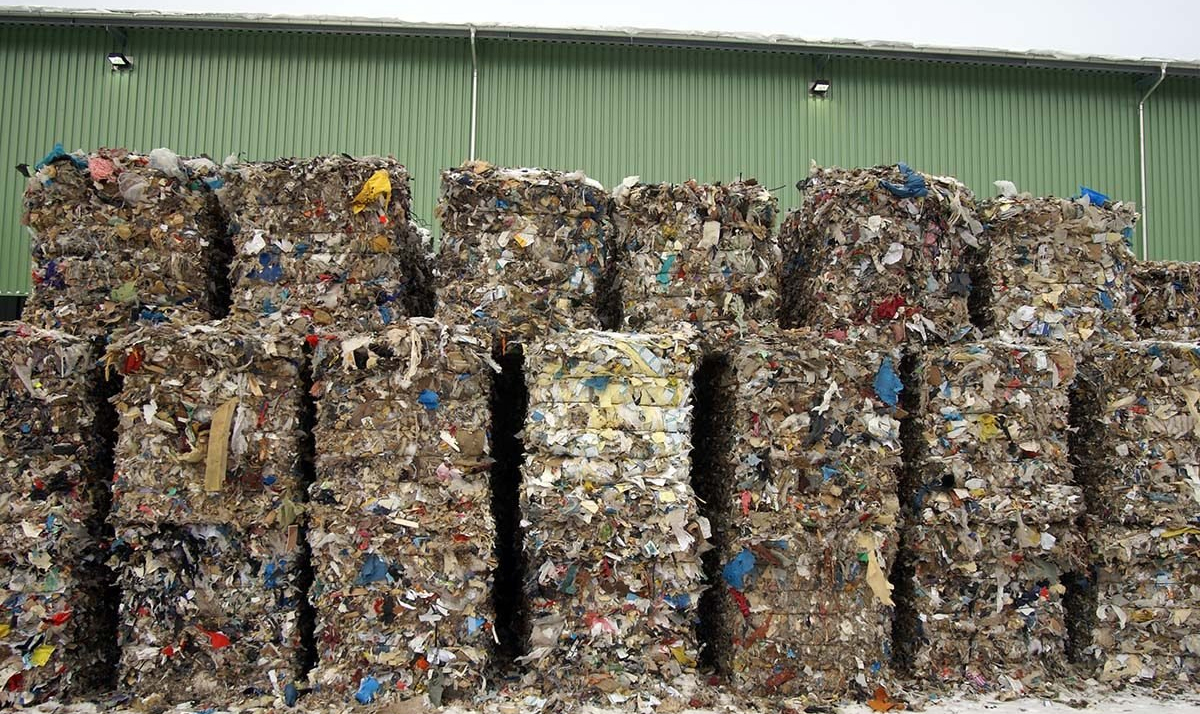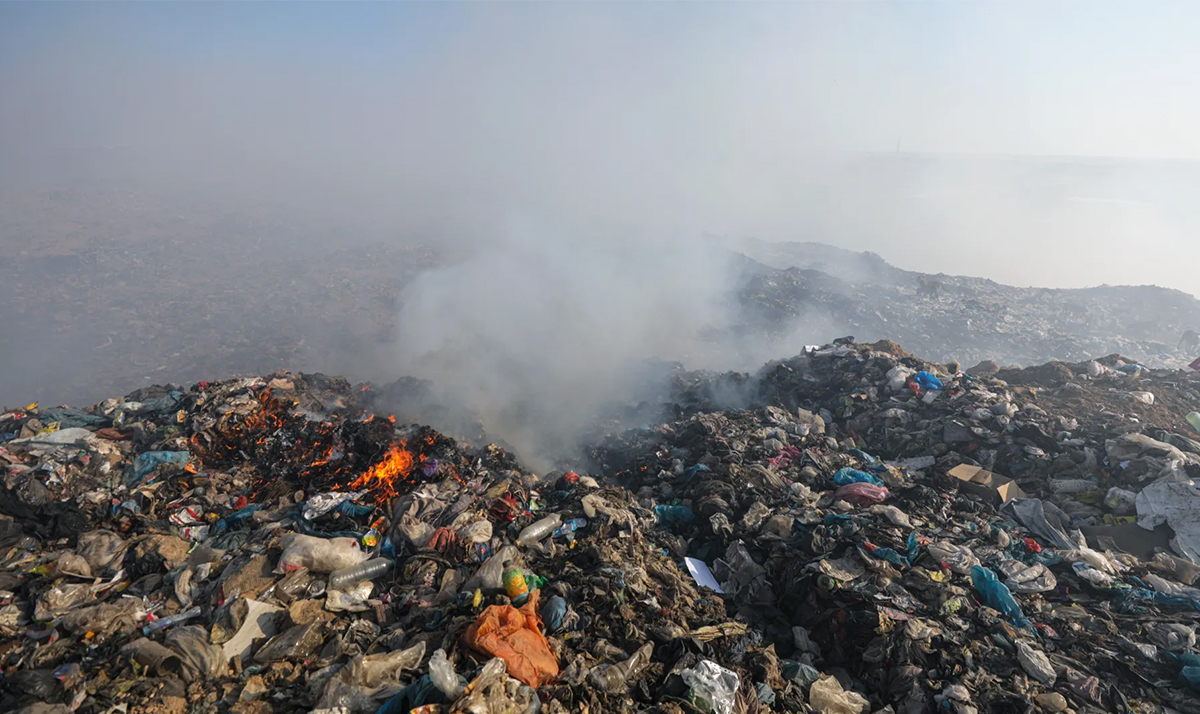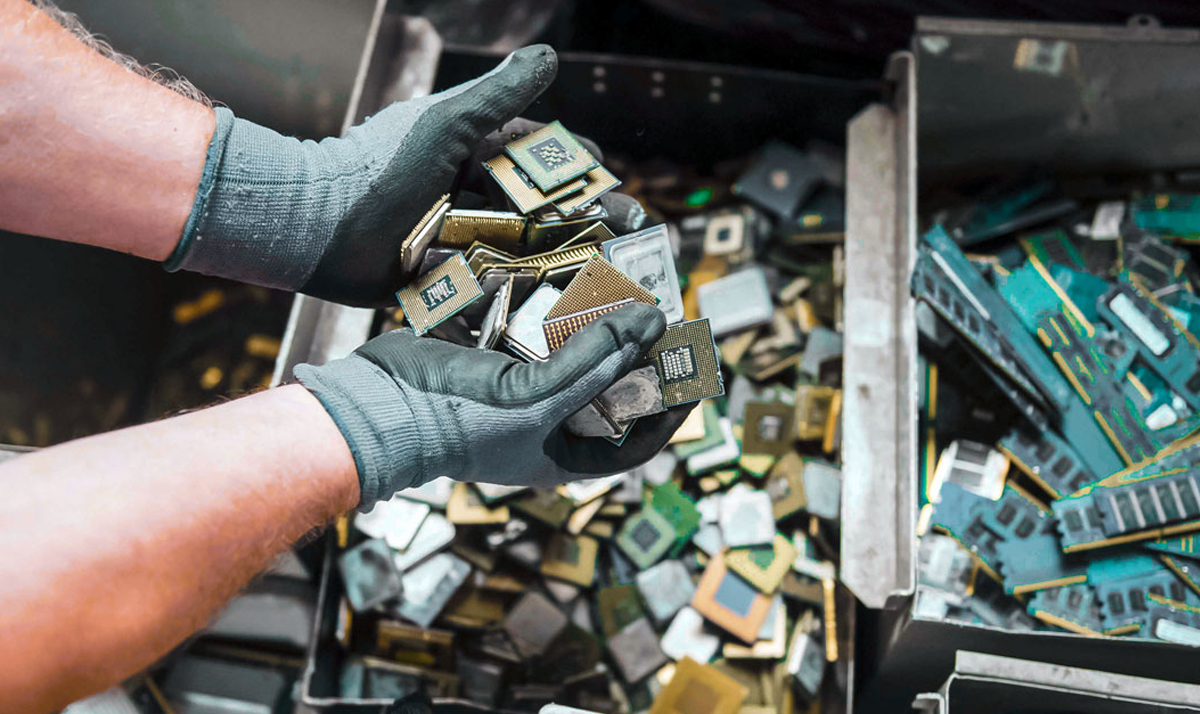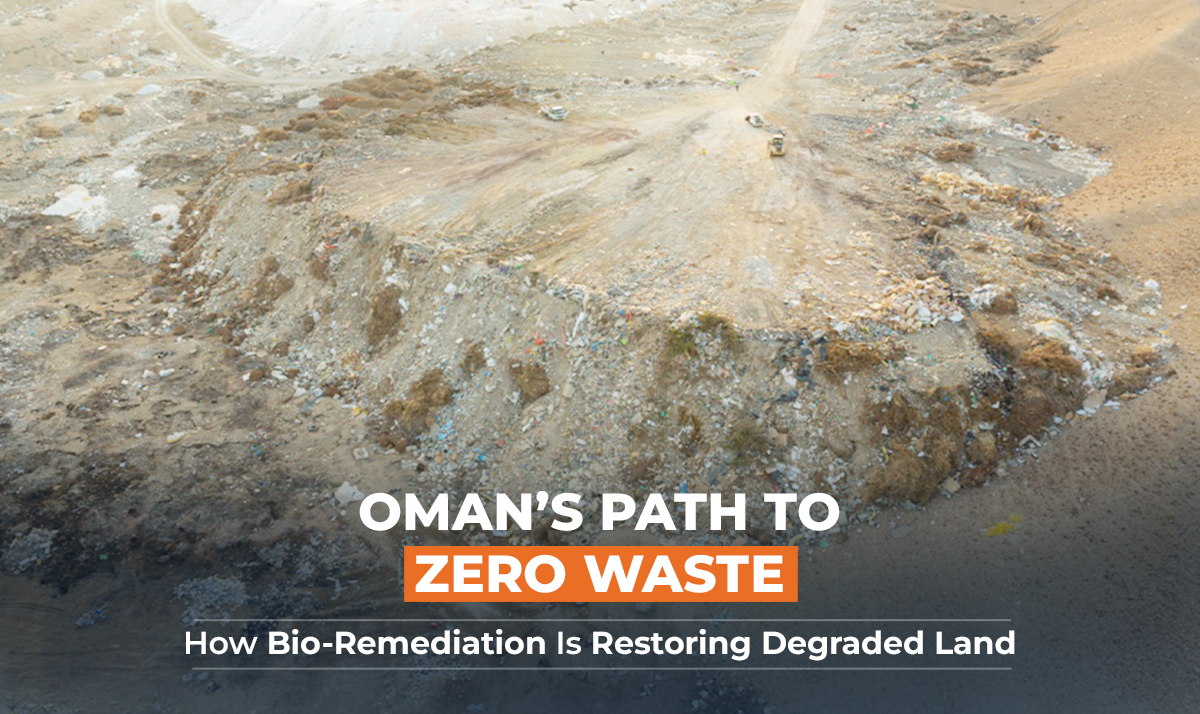
Oman is dealing with a pressing problem that is common to most countries: what to do with the growing amount of waste that is threatening both the economic and environmental health? The Sultanate has turned to a smart approach that involves the use of nature's own cleaners with an estimated yearly production of 1.9 to 2.4 million tonnes of municipal solid waste. Bioremediation, which is a natural solution, is very effective in Oman's arid climate, and thus transforms the environmental issues into a source of sustainable development and environmental recovery rather than a problem.
The nation’s zero-waste landfill restoration initiatives are gaining momentum from the use of unconventional biotechnical methods that do not merely hide the problem but provide a solution to it. Oman is using pioneering techniques that turn degraded areas into lush and steady sites while supporting the country’s goal for circular economy ambitions.
Oman’s Waste Management Revolution Through Natural Solutions
The scale of Oman's waste challenge is so massive that it demands innovative and creative solutions. The traditional waste disposal methods are not sufficient to keep pace with the volume of waste generated by the increasing population and the expanding industrial sector. Oman’s waste management strategies have now made a shift from traditional methods to biological treatments, acknowledging that nature often provides the most efficient and economical solutions.
Be’ah, Oman's Environmental Services Holding Company, has embraced this philosophy by formulating a circular economy strategy that combines modern engineered landfills with biological restoration methods. This is not only about waste management, but it is also about creating value from what was previously deemed worthless. The company’s operations consist of methane recovery systems, site closure programs, and gas-to-energy projects that turn environmental liabilities into climate assets.
The integration of biological waste treatment with national development objectives demonstrates how Oman’s environmental restoration projects are not only setting new standards but also redefining the standards for sustainable land recovery. This institutional transformation is in perfect harmony with Oman's Vision 2040 priorities, which emphasise sustainable development and environmental management.
Key Bioremediation Techniques Driving Landfill Restoration
Oman’s climate and soil conditions are effective for applying certain biological approaches to the complete environmental recovery in Oman:
• Phytoremediation: Using Native Plants as Natural Cleaners
Soil quality is simultaneously improved while drought-tolerant native shrubs and grasses are used to absorb or stabilise contaminants. These plants are very efficient in preventing erosion, controlling dust, and increasing the amount of organic matter, which is quite essential for the maintenance of soil health in the long run.
• Biochar and Organic Amendments: Restoring Soil Through Strengthening
Biochar and compost enhance the retention of water in arid soils, improve their structure, and trap pollutants. The amendments involved above create microbe-friendly conditions that speed up the restoration of these degraded landfill areas and allow the growth of plants.
Integrated Biological and Mechanical Approaches
Oman utilises engineering-based landfill recovery techniques to complement biological treatments. These combinations approach the highest benefits environmentally and economically.
• Biomining for Resource Recovery
Waste deposits that are no longer in use are dug up to get plastics, metals, and fuel-grade materials. The extraction of these parts makes the remaining organic matter more stabilised and thus suitable for biological remediation.
• Managed Biodegradation and Biocapping
Specialised microbes and vegetation are planted in engineered caps to speed up the natural process of organic waste breakdown. This method, together with gas extraction systems, which are presently a requirement in Oman’s landfill closures, lessens the release of methane and aids in electricity production.
Bioremediation’s Role in Advancing Oman’s Circular Economy
The connection between bioremediation and Oman’s circular economy goals runs much deeper than just waste management. Through the use of biological treatment methods, the environmental liabilities are reclaimed and turned into productive assets, reducing future costs of remediation and, at the same time, opening new opportunities for resource recovery and energy generation. The process of reclaiming former landfills producing biogas, extracting valuable materials, and ultimately converting the sites into usable land shifts from long-term burdens to being a valued national development contributor. This change aligns with Oman’s broader sustainability goals and demonstrates the coexistence of environmental protection and economic growth as mutually reinforcing rather than conflicting.
More advantages arise when bioremediation is integrated with the country's waste diversion programs. The redirected organic waste from landfills can be converted into compost and biogas, which is also the source of the ongoing and future bioremediation activities in terms of both providing essential input materials and energy. Thus, this closed-loop strategy strengthens Oman's circular economy by ensuring the waste becomes a resource at every stage.
Oman's experience shows that nature-based solutions can effectively address complex environmental problems while supporting economic resilience. The combination of proven biological techniques, proper engineering, and a deep understanding of the local environmental conditions contributes to the success of these initiatives. Bioremediation is expected to play a vital role as Oman continues to grow and develop its circular economy efforts. The skills and techniques that are being refined at the current sites can be replicated to future projects, thereby contributing to the development of a strong local expertise and a repository of reliable, field-tested approaches. This progress puts Oman in the position of being a regional leader in sustainable waste management and opens the door for technology transfer and consulting opportunities across the Gulf, where similar environmental challenges are emerging.
Real-World Success and Practical Implementation
Bioremediation in Oman demonstrated; the success of the method is clearly playing out through Be’ah’s rehabilitation practice to the landfills at Barka and Al-Multaqa, where the engineered closure is paired with biological treatment to nature-based solutions that can be scaled up. Harmful emissions are transformed into energy that can be used through methane extraction systems while biological restorations take place, thus making the land suitable either for future development or conservation.
The success of these approaches has encouraged stronger organic waste diversion programs, which provide biogas and compost feedstock and, at the same time, reduce landfill pressure. The accomplishment of such results goes with cautious planning that starts with site characterisation done in detail, to know the soil, leachate, and contamination levels. The planting of native, drought-tolerant plants is aimed at restoring the area effectively in the long term with very little maintenance, and the combination of gas extraction and energy recovery contributes to the economic viability of each project. Regular monitoring of the soil, groundwater, gas emissions, and vegetation ensures that the restoration sites remain stable and environmentally friendly through time.
Oman's approach to bioremediation is not simply an environmental cleaning strategy, but it is a blueprint that can change the environmental challenges into an economic opportunity. The Sultanate is demonstrating that sustainable development is not only an ideal but also a practical pathway that leads to a more prosperous future by using natural processes and applying them along with the right technology.
The transformation of polluted landfill sites and turning them into productive landscapes, the conversion of waste gases into energy and gaining and the development of knowledge in biological treatment methods, all contribute to the economy in more durable and sustainable ways.
The path to getting the environmental asset from the waste problem isn’t the easiest of ways, but Oman’s case proves that with the right mixing of natural processes, state-of-the-art technology, and determination in execution, even the toughest environmental problems will be turned into victories of good change.
 Food Waste
 Livestock Waste Solutions
 Agri Waste
 Waste To Energy Solutions
 Plastic Waste Solutions
 MSW Solutions
 Legacy Waste Solutions
 E-Waste Solutions
 Industrial Waste Management Solutions
 Hazardous Waste Solutions
 Restoration & Recovery Solutions
 Education & Awareness Solutions