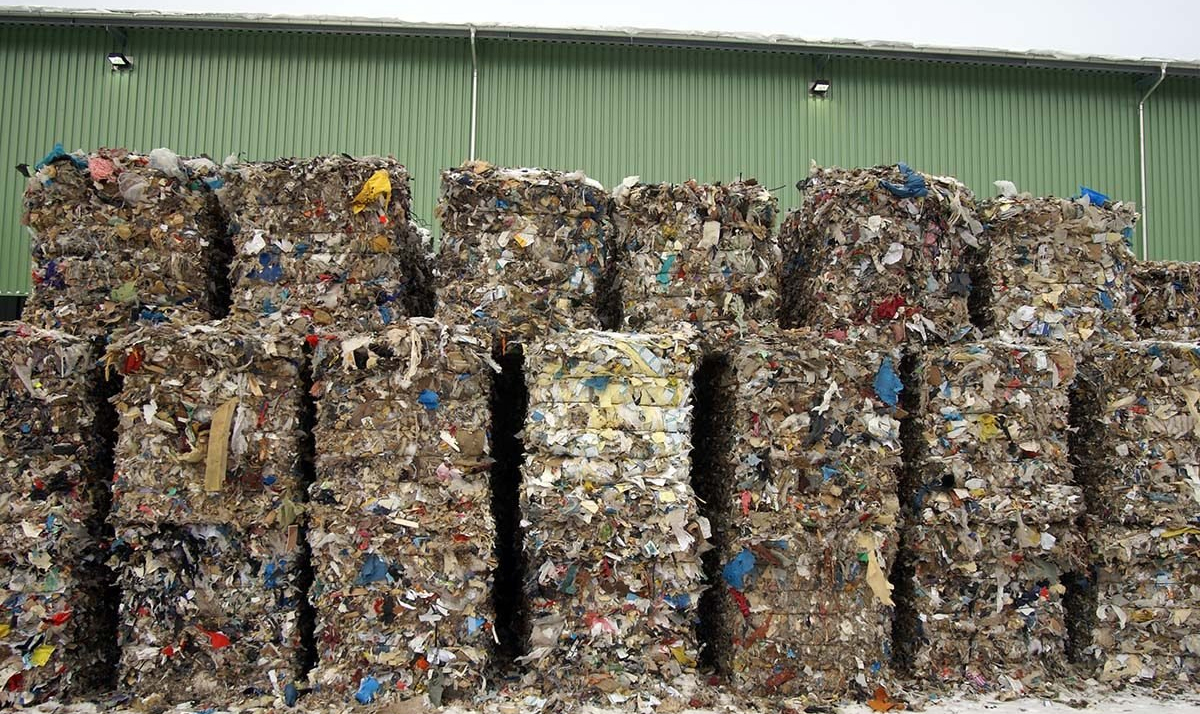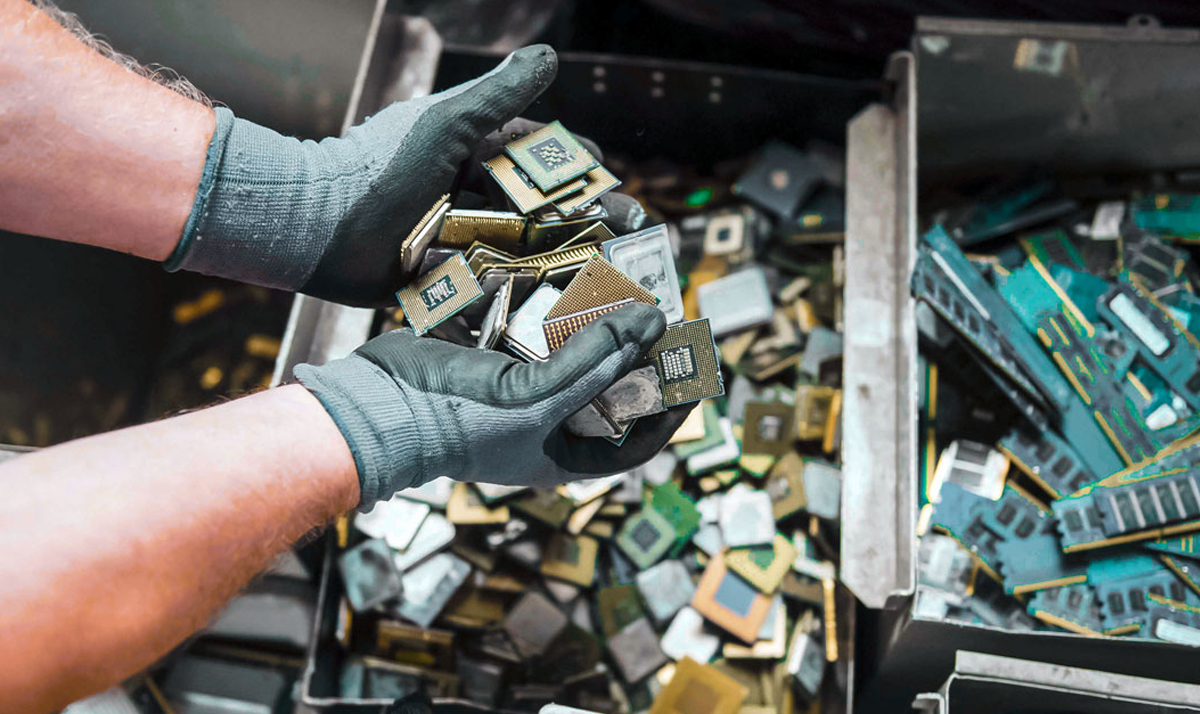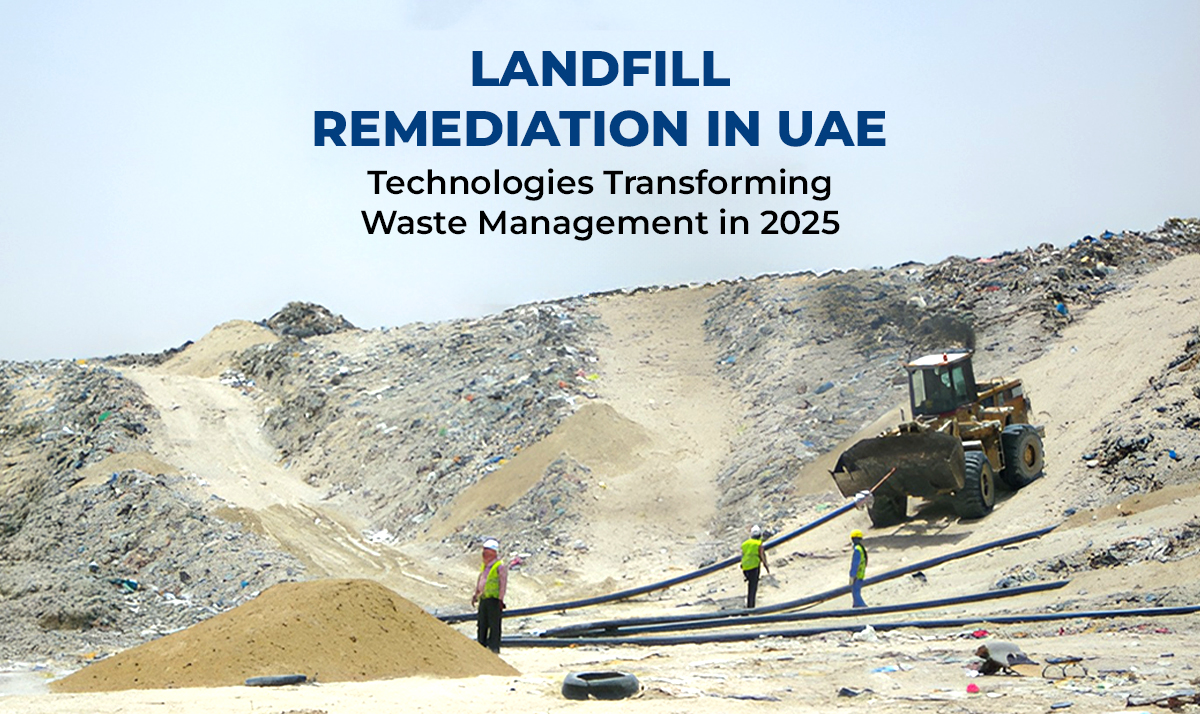
The United Arab Emirates (UAE) is emerging as a regional leader in innovative, sustainable development across the Middle East. As the country accelerates its transition towards a circular economy, legacy landfill sites that posed environmental challenges are now being transformed into valuable resources through cutting-edge bio-remediation technologies. The UAE landfill remediation approach addresses the growing concerns of land degradation, methane emissions and resource loss. It utilises waste management technology UAE to restore land, recover materials, and reduce environmental impact. Innovative solutions like bio-remediation UAE projects, created for landfill mining, and digital monitoring to transform how cities manage the legacy waste, represent an example for sustainable waste management. These advancements not only support landfill recovery UAE make efforts in, but also support the country's achievement of its long-term sustainability objectives, including net-zero emissions and zero waste to landfill by 2050.
UAE initiatives are setting new standards for environmental recovery, bio-remediation, landfill reclamation and remediation technologies, which are central to its environmental strategy that other countries are beginning to adopt. The increasing focus of the UAE on landfill remediation mirrors a wider trend across the GCC, where governments, regulatory bodies, and private sector innovators collaborate to extract value from waste and establish sustainable waste management systems.
Current State of Landfills in the UAE
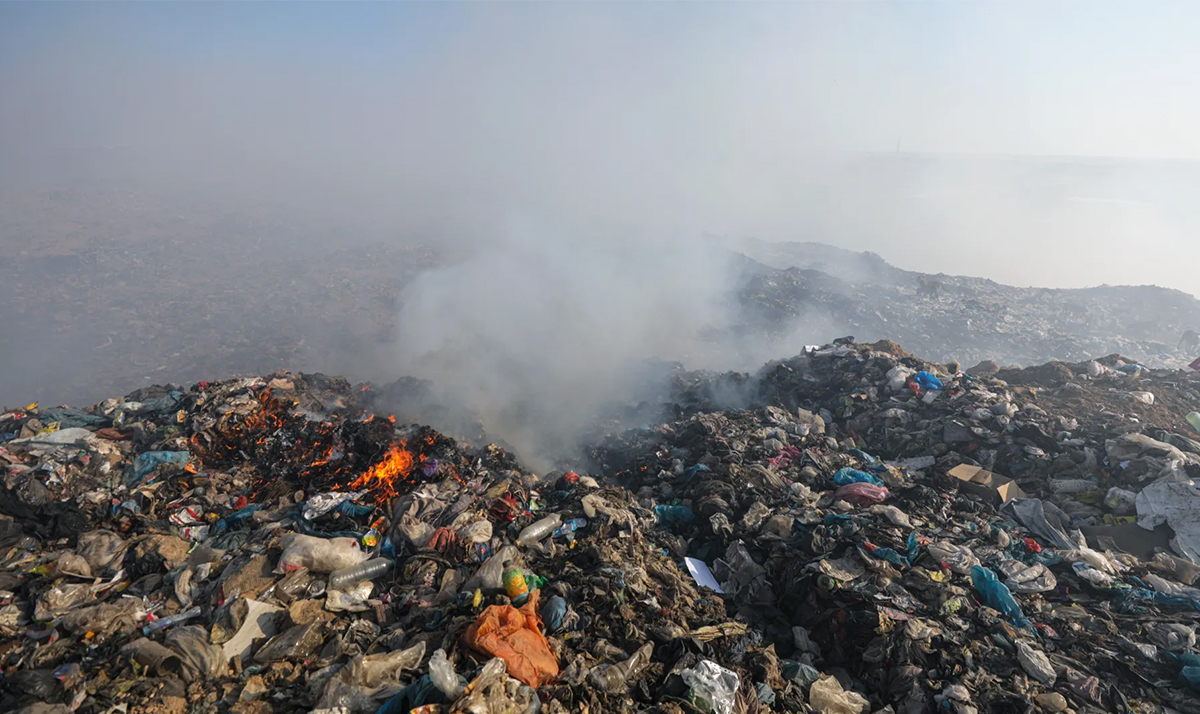
The landscape of waste management in the UAE faces one of the most significant environmental challenges in the year 2025. Day by day, landfills across the nation are approaching full capacity and pose serious environmental hazards. The heavy usage of these facilities has led to considerable situations, particularly the emission of strong greenhouse gases like methane into the atmosphere.
In the Northern Emirates, nearly 40 landfill sites manage both household and industrial wastes. Meanwhile in Dubai has announced plans to close all landfills by 2027, which is three years before the earlier schedule. A sustainable solution is no longer a luxury but a necessity. Moreover, the landfills raise serious health risks to the residents of the surrounding areas. The residents of places such as Dhodna, Al Haniya, and Al Ghob have complained about being exposed to foul odors and smoke coming from the landfill that which causes respiratory problems, especially among children.
Thus, the UAE government has set very ambitious targets, which include the diversion of 75% of waste from landfills by the year 2025. Abu Dhabi has a specific plan aiming to divert 80% of its waste from the landfill by 2030. The Dubai Integrated Waste Management Master Plan intends to achieve no landfill waste within 20 years through innovative approaches. Despite that, the challenge still remains substantial. As one of the regions that produces the highest per capita waste generation per person in the world, the path toward sustainable waste management will require both technological innovation and significant behavioral changes within society.
Technologies Transforming Landfill Remediation in 2025
Innovative technologies are leading the UAE waste management revolution in 2025 by presenting the country with sustainable solutions for its landfill challenges. The waste-to-energy (WtE) facilities have become remarkable centres of development throughout the emirates. The Abu Dhabi Waste to Energy Plant has a capacity of 900,000 tons of waste per year, and it produces 80 MW of electricity, which is enough for 50,000 homes. The Sharjah WtE plant, on the other hand, has done over 500,000 tons of non-recyclable waste and is able to give power to about 28,000 households.
The gas recovery from landfills has come a long way, and the Al Qusais landfill has turned its passive venting systems into advanced collection plants for gas. The systems have the capability to flare and collect up to 6000 normal cubic meters of landfill gas per hour, which results in an annual reduction of emissions equivalent to approximately 300,000 tons of CO2. The latest approaches to landfill sealing have also drastically transformed the scene, as the environmental contamination is now totally prevented with multi-layered capping systems. The newly introduced geomembranes are said to be very strong mechanically and can resist the migration of gas and the infiltration of stormwater.
Bioremediation has gained popularity as a cost-effective alternative to the conventional disposal methods. The method, which involves the use of local waste materials such as camel dung, grass clippings, and wastewater, has been able to lower the hydrocarbon content of the polluted soil from 4% to 0.2%. Moreover, landfill mining has emerged as a promising approach for resource recovery practices due to its ability to reclaim resources from existing operating landfills, which aligns perfectly with the UAE's circular economy aspirations.
Challenges and Opportunities in UAE Waste Management
Transforming waste management in the UAE is definitely a difficult but necessary step to take and there are hurdles that the country will have to overcome in the technological aspect. At the forefront of all the hurdles are financial troubles, with the very high initial investment for advanced waste treatment technologies being the most inhibitive factor to the whole process. For example, in Sharjah, the current municipal solid waste disposal fees of SGD 18.27 per ton are only covering 34.5% of the actual cost.
However, the engagement of the private sector along with the public sector has opened up new horizons for the latter. Bee'ah and Masdar are examples of the companies that have partnered up to build the most modern waste-to-energy plants in Sharjah, thus preventing 300,000 tons of solid waste from getting into the landfills every year. The partnerships are also a part of the UAE Circular Economy Policy 2031, which aims to take 75% of waste out of the landfills by 2030.
AI-powered solutions are basically the alternative steps to be taken towards the new age. Abu Dhabi, for instance, has just unveiled the Tajmee'e, an AI-powered waste collection service that not only enhances routes but also minimizes fuel usage. The smart system is envisaged to achieve a 10-15% rise in efficiency merely through the route optimization technique.
While challenges related to public awareness and participation persist, the UAE government has allocated a staggering amount of SGD 74.5 billion to the Integrated Waste Management Strategy 2021-2041 plan, with SGD 70.5 billion being the direct investment from the private sector. This funding emphasizes not only the economic potential of sustainable waste management, alongside its environmental benefits.
Landfill Remediation is reshaping the UAE waste management landscape in 2025, by combining advanced technologies and sustainable waste management, bio-remediation through transforming legacy landfills sites into environmental and economic assets. As the UAE accelerates its transformation to a circular economy and sustainable future by recovering legacy waste is becoming an essential facilitator of climate ambition and environmental resilience. Integrating bio-remediation, digital monitoring, methane capture and leachate management techniques reduces environmental risk by recovering resources to reclaim land and lower emissions from legacy waste. These advanced sustainable strategic developments establish the UAE leadership as a benchmark for sustainable landfill reclamation and remediation with modern environmental solutions in the Middle East, demonstrating innovative and strategic planning that drives long-term environmental and economic value.
 Food Waste
 Livestock Waste Solutions
 Agri Waste
 Waste To Energy Solutions
 Plastic Waste Solutions
 MSW Solutions
 Legacy Waste Solutions
 E-Waste Solutions
 Industrial Waste Management Solutions
 Hazardous Waste Solutions
 Restoration & Recovery Solutions
 Education & Awareness Solutions