The Gulf Cooperation Council (GCC) countries, which include the United Arab Emirates (UAE), Saudi Arabia, Oman, Qatar, Kuwait, and Bahrain, are experiencing a rapid economic growth and expansion, which leads to an increase in their waste production. The old model, which was based on the extraction of resources, their usage, and then disposal, is now considered more and more unsustainable due to the rising urbanisation, population growth, and environmental pressure factors. As a result, the region is turning its back on the waste-as-end-product philosophy and instead adopting a resource-based approach for the GCC circular economy. Major role players in this change are the landfills recovery GCC, waste management GCC, and bio-remediation processes, which are being progressively recognised as the tools of the future. GCC land reclamation from their existing landfills and how bio-remediation and their advanced waste technologies are transformative, driving forces for the sustainability of the Middle East.
From Linear to Circular: The GCC’s Strategic Shift
For a long time, GCC nations relied on the oil and gas industry for economic growth, but the rise of environmental issues and global demand for carbon-free products has led to a reconsideration of resource utilisation. The concept of a circular economy, where resources are recycled, reused, and recovered, offers a pathway to reduce dependence on virgin resources, cut pollution and create new industries around recycling, remanufacturing, and waste-to-resource transformation. Research reveals that the implementation of GCC circular economy practices is aimed at increasing resource efficiency and minimising the ecological footprint of consumption and production across water, land, and waste management sectors.
The transformation is not just about waste management, but it is an undertaking made through the strategy of diversifying the economy, establishing sustainable jobs, and aligning with the global climate objectives. There is a positive correlation between the rise in waste production and the growth of the urban population in the area, which is why the authorities have to reconsider the methods of disposal. The transition to circular economy models is regarded as a crucial step for GCC sustainable development.
Why Landfill Reclamation Is Becoming Essential
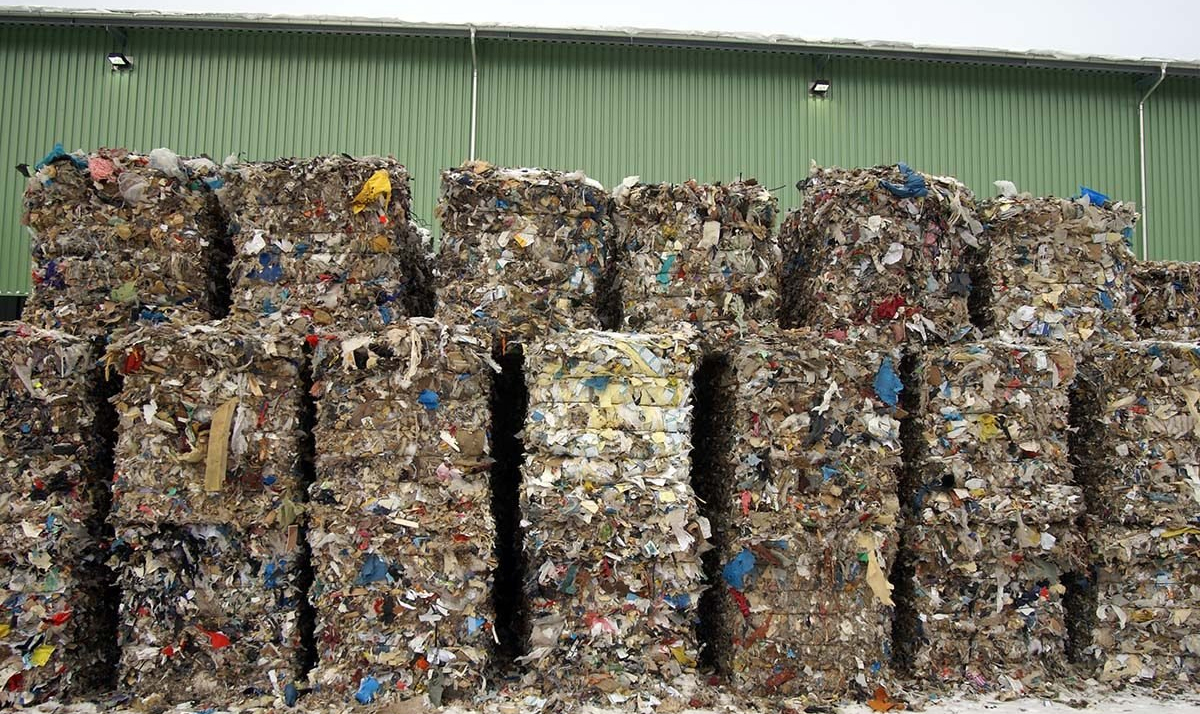
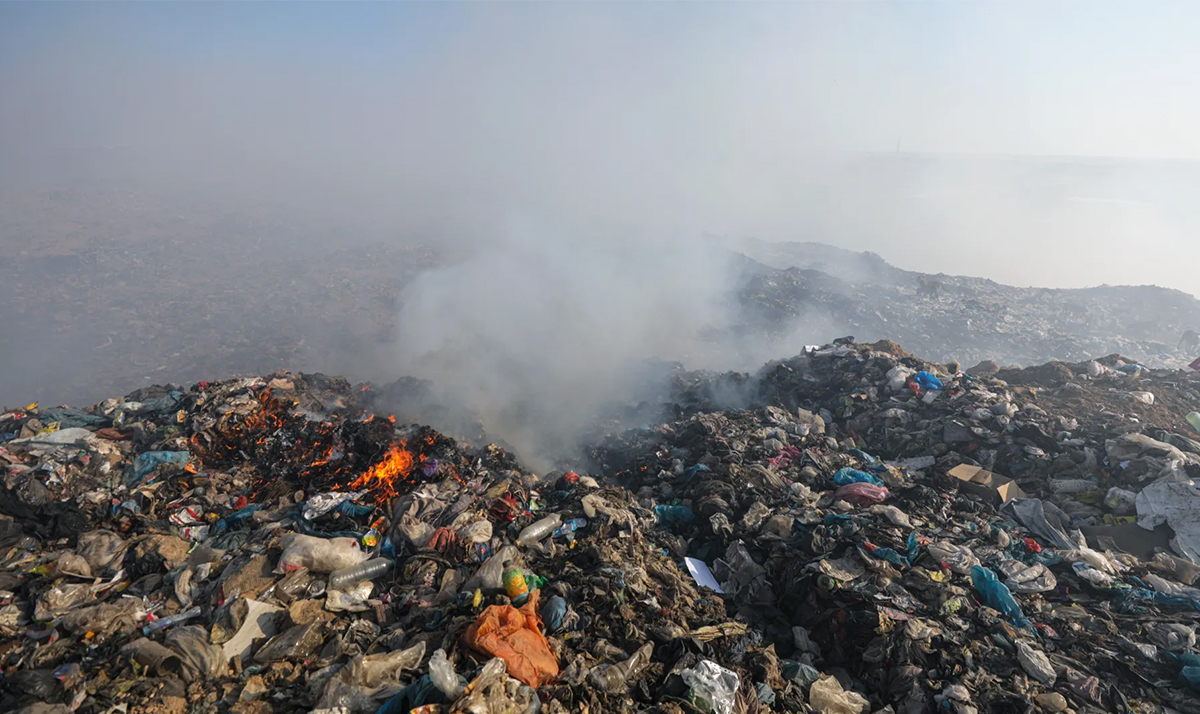
GCC countries' traditional landfilling method has become both environmentally and economically unsustainable as they produce and manage more than 260 million tonnes of waste. The disposal of waste in landfills occupies valuable land that could be used for urban development or infrastructure building. The GCC land reclamation of these sites allows the governments to recover valuable resources and materials, reduce contamination and restore land for productive use. This is particularly important in rapidly developing cities like Dubai, Riyadh, and Muscat, where land is scarce. The waste recovery process also benefits the circular economy goals by extracting valuable materials and reducing the dependence on new resources.
Bio-Remediation and Advanced Waste Treatments in the GCC
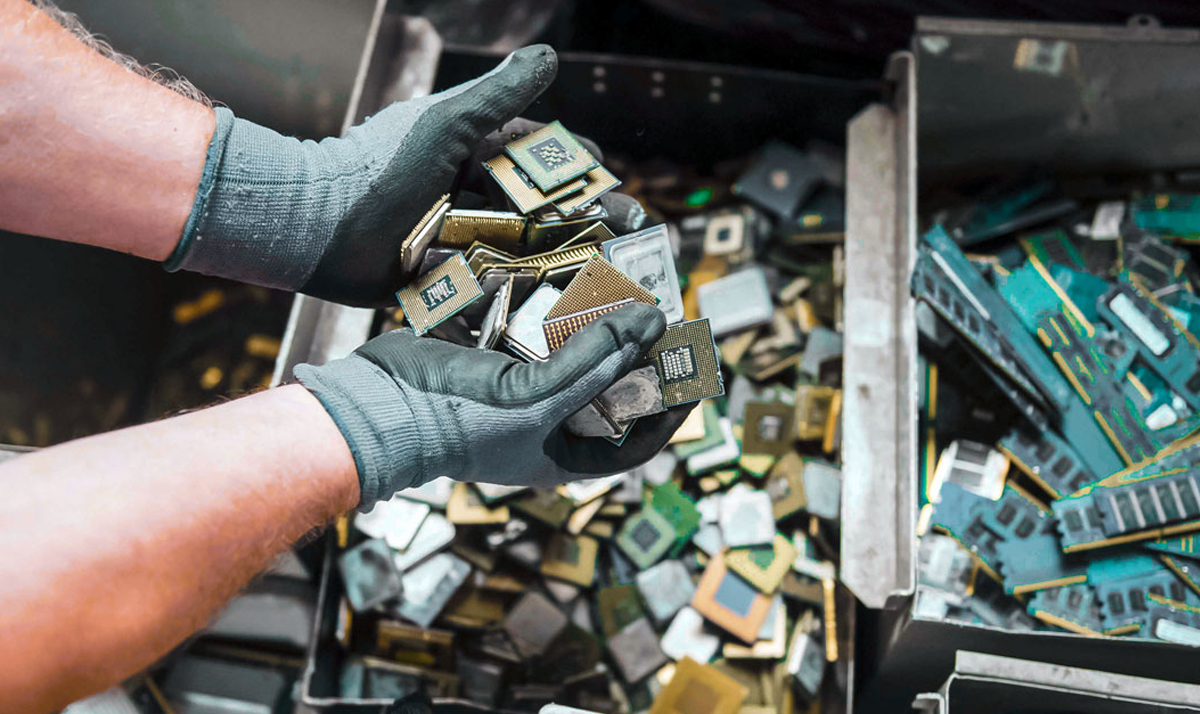
As GCC landfill reclamation expands, bio-remediation is emerging as a prominent method for restoring contaminated sites. Different countries like the UAE and Saudi Arabia are utilising biological methods along with other modern technologies such as sorting, recycling and waste-to-energy that significantly minimise the environmental risks and accelerate the process of landfill recovery. The waste management industry in the UAE is expected to rise from USD 4.09 billion in 2025 to USD 5.65 billion by 2030 as the country transitions from disposal-oriented systems to those of recycling and energy recovery. These developments are indicative of not only a regional but also a global transition towards regarding waste as a resource rather than a burden.
Challenges and the Road Ahead
Although GCC landfill reclamation offers significant advantages, the procedure is still complicated due to the legacy waste, inconsistent regulations, and the need for heavy funding. Nevertheless, the main factors that are melting the pot of the region are the increasing concern for the environment, the government policies that are in favour, and the financial opportunity that circular models can bring, which is estimated to be up to USD 138 billion in value creation by 2030. The waste-to-energy facilities, like the one in the UAE that managed to recycle more than 300,000 tonnes of waste during its first year, are revealing how the future driven by recycling is already in the making.
The GCC’s increasing emphasis on the circular economy principles signifies the complete transformation of waste management, but it also signifies a new understanding of the resources, land, and sustainability by the Gulf societies. The combination of landfill reclamation, which is further supported by bio-remediation and advanced waste recovery techniques, is actually becoming more and more important as the Gulf countries are facing the problem of mounting waste, and on the other hand, the lack of space and the pressure on the environment are increasing. The challenges that are quite huge still exist, but the intersection of economic opportunity, environmental urgency, and regulatory push makes the change both necessary and promising. The region's continuing departure from linear disposal models to reclaiming landfills, which is converting the waste of yesterday into the resources of tomorrow, may very well be one of the hallmark traits of a sustainable circular future for the Gulf.
 Food Waste
 Livestock Waste Solutions
 Agri Waste
 Waste To Energy Solutions
 Plastic Waste Solutions
 MSW Solutions
 Legacy Waste Solutions
 E-Waste Solutions
 Industrial Waste Management Solutions
 Hazardous Waste Solutions
 Restoration & Recovery Solutions
 Education & Awareness Solutions