India is at a pivotal point in its energy transition, where the demand for eco-friendly options to fossil fuels is most pronounced. The country’s resolute pursuit of energy independence and eco-friendliness has found a strong partner in Compressed Biogas (CBG) and renewable gas technologies. The CBG full form, Compressed Biogas, is the central idea that has to be understood in order to realize its revolutionary part in the energy map of India. While the country is facing ever-increasing environmental problems, the necessity for reducing carbon emissions has led CBG renewable gas India initiatives to come out as a light of hope, showing the most reasonable way to a clean, low-carbon energy future. The clean energy movement in India discourse has already reached an unprecedented level of activity, with renewable gas technologies being the ones to lead this transition and even promising the benefits of the environment as well as the economic opportunities that might change the country’s energy security framework.
The Current Landscape of CBG India Production and Development
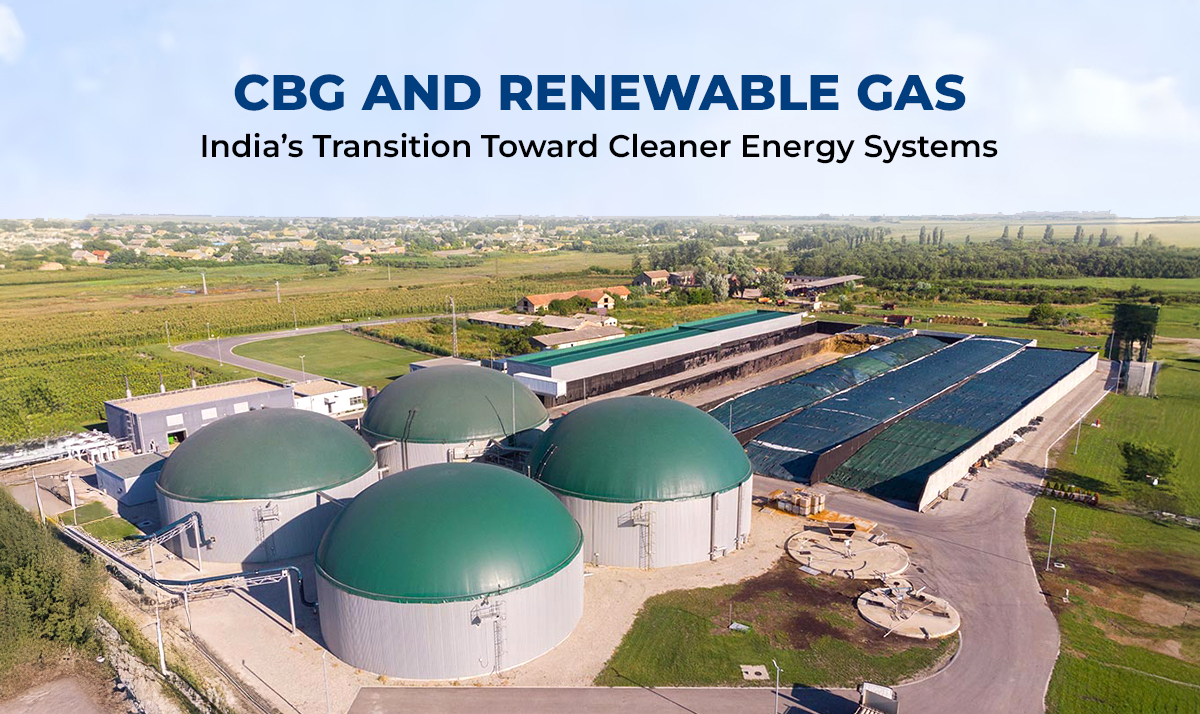
The government’s SATAT initiative has set an ambitious target of 5,000 plants with a production of 15 million tonnes of CBG. With more than 2,227 applications for letters of intent to build new plants received, the CBG industry is telling us loud and clear that the private sector is very supportive of and is betting on the technology’s commercial viability. The renewable energy each biogas plant generates contributes widely to the total capacity and gradually builds a network of much cleaner power generation, thus, lessening the reliance on centralized fossil fuel systems. The merging of these plants with the City Gas Distribution networks has resulted in a supply chain that is very reliable and the end consumers get their clean fuel without interruptions.
Nevertheless, the adventure has encountered hurdles. The huge amount of money that is initially needed and the high running costs are still the main obstacles to fast growth. On the one hand, the Reserve Bank of India has included CBG projects in priority sector lending, but on the other hand, funding is still the main problem for most of the new project developers. Issues related to the supply chain, such as the unavailability of feedstock in a regular manner and the lack of biomass collection facilities, have also affected the speed of development in some areas.
How Renewable Gas India Initiatives Are Reducing Carbon Emissions
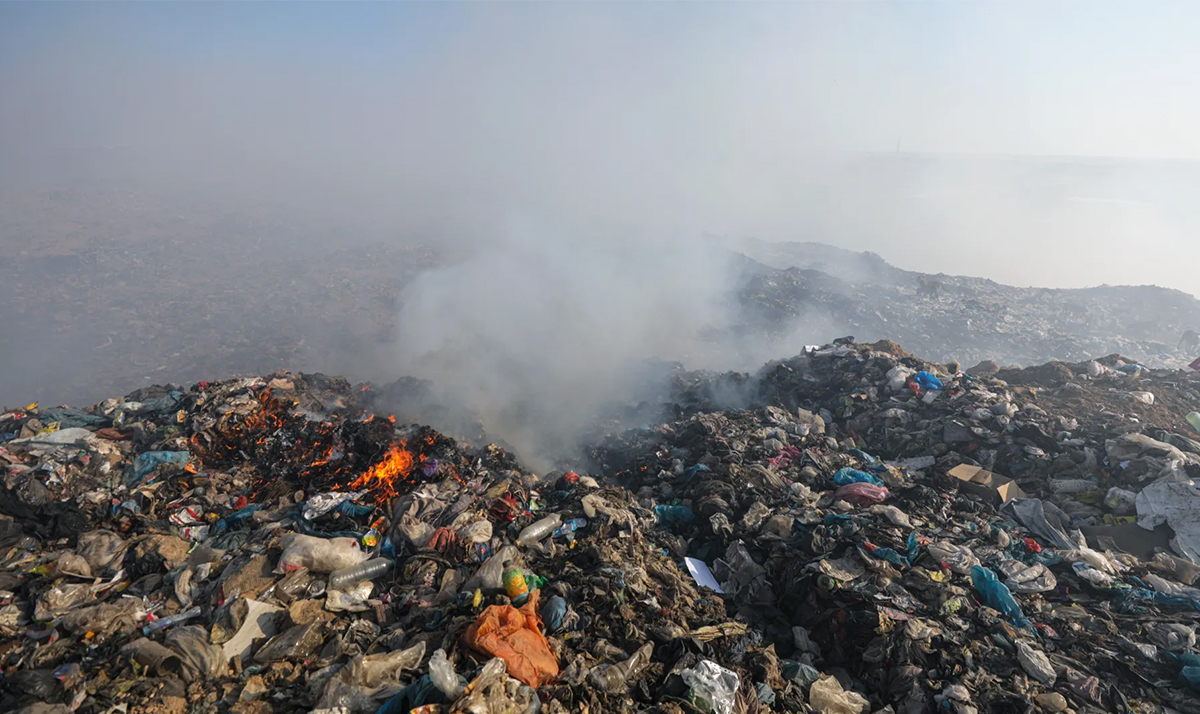
The renewable gas India sector plays a pivotal role in the government’s plan to cut its carbon footprint and to fight climate change. CBG technology has environmental benefits that are not just limited to fuel replacement, but it also promotes the creation of a circular economy, which takes care of many environmental issues at once. Organic waste, when subjected to anaerobic digestion to produce biogas producing prevents methane release, which would otherwise go into the atmosphere due to waste decomposition, thereby capturing and utilizing a powerful greenhouse gas. The fantastic environmental scenario gets bigger and bigger with the increasing number of production facilities and making it a sizable part of India’s climate commitments under the global agreements. The waste-derived fuel India market is super rich in terms of sustainable energy generation and at the same time, it is helping the country to tackle its waste management problem.
The rural areas have been the most significant winners of this environmental change, wherein the agricultural leftovers and livestock dung are being rehabilitated as important raw materials for CBG production. This not only curtails the practice of burning crop residues, which adds a lot to the air pollution problem in northern India, but also gives the farmers a chance to make some extra money. The mixing of municipal solid waste into the CBG production systems has led to the development of urban waste management, reducing the amount of waste going to landfills while producing clean energy.
By 2028-29, the government has set a target of 5% CBG blending, which is a gigantic move in the direction of decarbonizing the transport sector that produces a big share of India's carbon emissions. The blending mandate will not only make it possible for CBG producers to sell their products but also ensure that the millions of cars using the fuel will help reduce emissions, as they will be consuming cleaner fuel.
Technological Advancements Driving Bioenergy India Forward
The bioenergy sector in India is expected to experience substantial growth the according to international energy assessments, where the International Energy Agency has predicted a rise of 45% in modern bioenergy between the years 2023 and 2030. This upward trend is driven by major technological innovations that not only increased the efficiency but also made the compressed biogas (CBG) production systems more reliable and economically viable. The modern anaerobic digestion technology has reached such a level to develop a process for a variety of feedstock types of inputs while still achieving maximum production, thus allowing the use of materials ranging from agricultural waste to municipal organic matter.
Advanced purification systems have revolutionized the biogas quality to such an extent that CBG production can fulfil the requirements set for automotive fuels. The innovations have not only taken care of the performance issues but also made biogas plants operable from remote locations, consequently cutting labor costs while still ensuring the quality and safety of the production. Moreover, the newly developed preprocessing systems for various organic materials have maximized the anaerobic digestion process and hence decreased the energy required. This scenario has made it financially possible to treat less feedstock and thus be in favor of localized production models for communities.
The integration of digital technologies has led to the development of smart biogas systems, which are able to carry out predictive maintenance, optimized feeding, and real-time monitoring of the performance. The combination of these features has made the reliability of the plants much better and, at the same time, reduced the costs of operation, thus making the CBM production more attractive to private investors and operators. The gas yield, production cost, and the range of feedstock materials suitable for that are still the main R&D efforts.
The Impact of Waste-Derived Fuel India on Sustainable Energy Practices
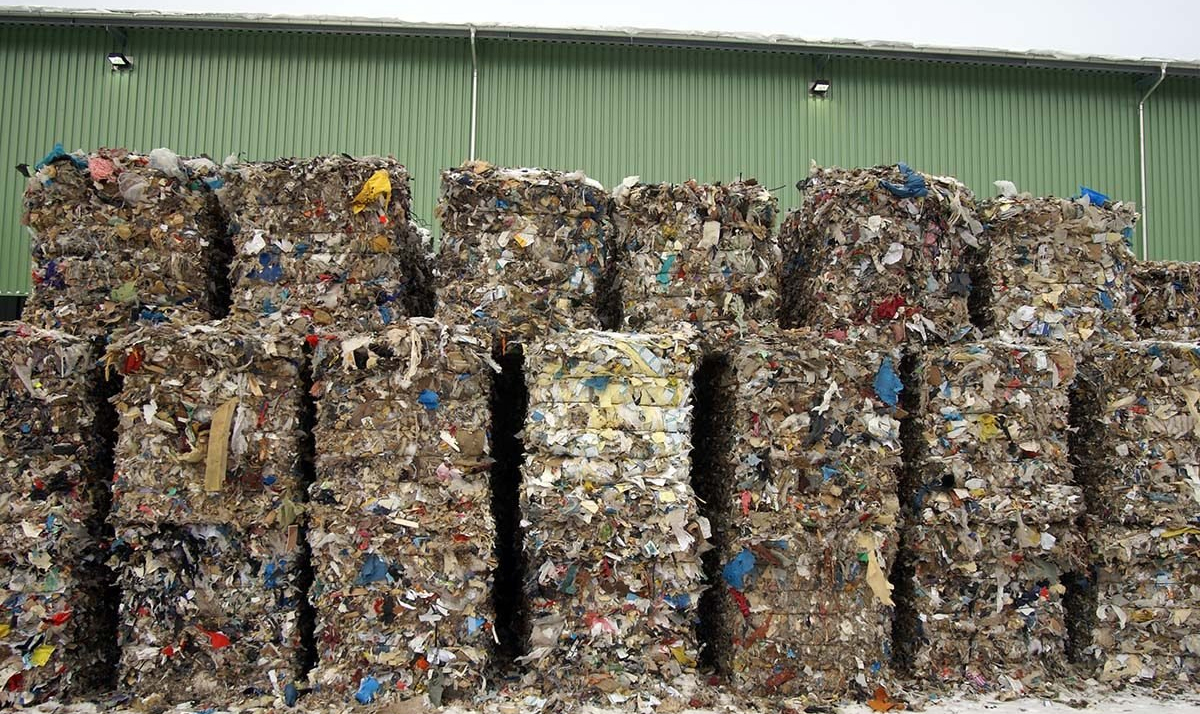
The Indian waste-derived fuel market has become an important part of the sustainable energy sector. It is no longer seen as a problem to be disposed of but rather as a valuable resource for energy. Municipal solid waste, agricultural residues, and industrial organic waste have now become the main inputs for CBG production, which is converting the environmental risk into an economic gain.
The production is having a large social impact, creating jobs in waste collection and processing and giving farmers a new source of income from the sale of crop and livestock waste, especially in rural areas where farmers face challenges. This especially aids the economic development of regions that have difficulties with agricultural production.
Furthermore, urban waste management has become more efficient with the incorporation of organic waste into CBG systems. Cities are implementing separate waste collection programs that send organic materials to biogas facilities, thus reducing landfill burden and ensuring energy supply. This results in the creation of sustainable solutions that are advantageous to both urban and rural populations.
The production of fuel from waste has proven to be scalable, thus allowing the establishment of different kinds of facilities, from small community-oriented plants to massive industrial installations. This flexibility provides for tailor-made solutions that are in sync with local waste production and power demand, forming robust decentralized energy networks. The worldwide acknowledgement and investment in such initiatives have put India in the limelight as a global leader in waste-to-energy technology development and implementation.
India's shift towards cleaner energy systems through Compressed Biogas (CBG) and renewable gas technologies not only reflects a concern for environmental initiatives but also a holistic approach to sustainable development that takes energy security, environmental protection, and economic growth simultaneously. The remarkable progress achieved in CBG India from just 46 operational plants to the ambitious target of 5,000 facilities in the next few years demonstrated the country's commitment to transforming towards renewable energy. The renewable gas sector in India has shown its capability to cut carbon emissions to a considerable extent and, at the same time, open up new economic avenues in both rural and urban areas.
The technology advancements driving bioenergy India’s mainstay are gradually perfecting the processes of CBG production and pushing it as an increasingly viable alternative to conventional fossil fuels. The combination of waste-derived fuel in India with sustainable energy practices has given rise to remarkable solutions, while producing clean energy but also dealing with several environmental and social issues. The Clean Energy India initiative makes CBG and renewable gas technologies the coming decade’s power sources for the country’s energy basket.
The future of CInitiativeBG's renewable gas in India is appearing exceptionally promising. The government’s supportive policy, combined with private sector investment and technological innovations, secures the future of this sector. The International Energy Agency's project's 45% bioenergy growth prediction from 2023 to 2030 indicates that the Compressed Biogas (CBG) industry will continue to expand in India. This growth significantly contributes to the country’s climate goals and energy independence objectives. Along with the nation’s advance towards a cleaner and more sustainable energy future, CBG and renewable gas technologies will definitely remain at the forefront of this transformation, providing hope for a greener tomorrow while providing tangible benefits today.
 Food Waste
 Livestock Waste Solutions
 Agri Waste
 Waste To Energy Solutions
 Plastic Waste Solutions
 MSW Solutions
 Legacy Waste Solutions
 E-Waste Solutions
 Industrial Waste Management Solutions
 Hazardous Waste Solutions
 Restoration & Recovery Solutions
 Education & Awareness Solutions